
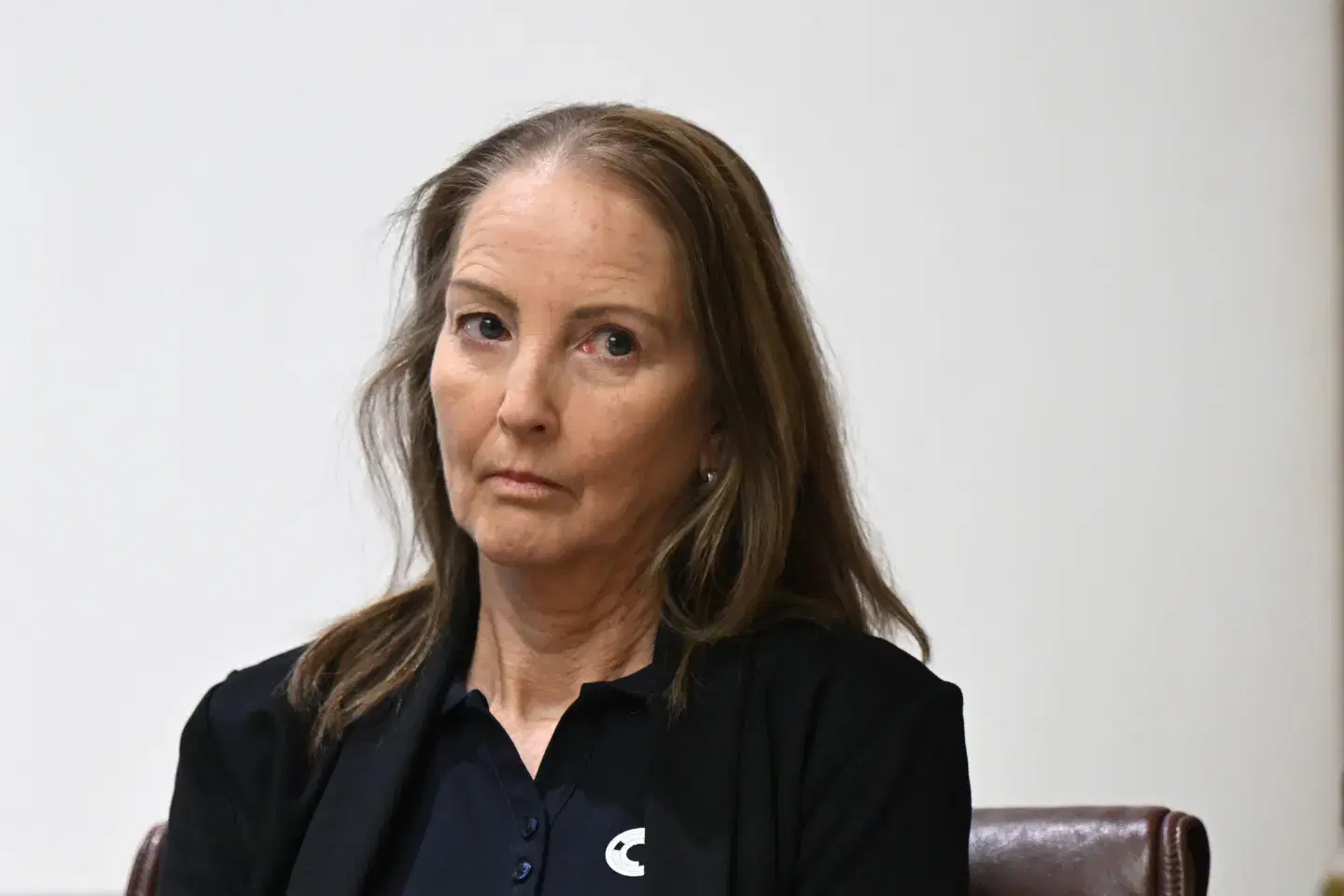
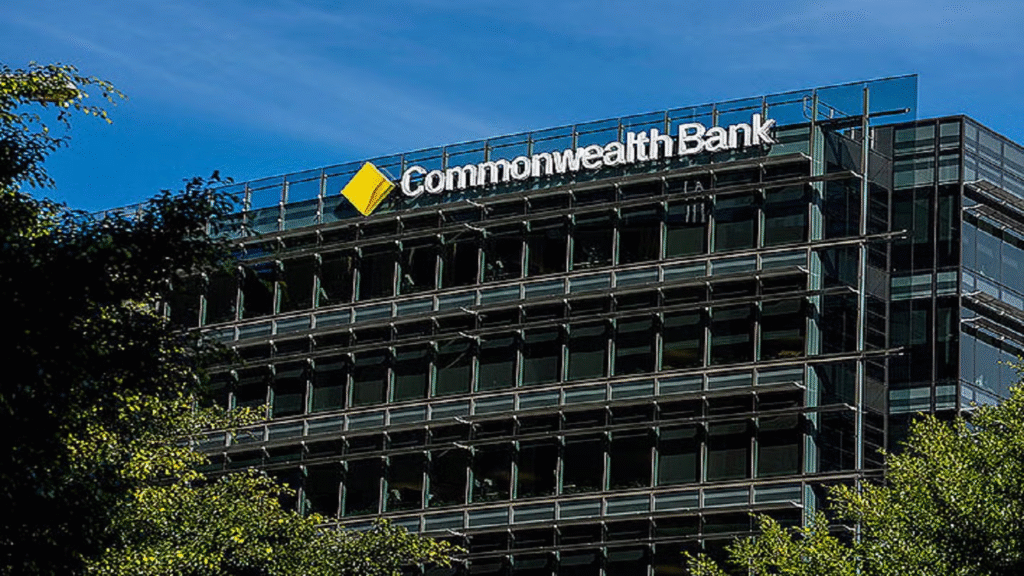
In a striking case that highlights the growing impact of artificial intelligence (AI) on the workforce, Kathryn Sullivan, a 63-year-old employee of the Commonwealth Bank of Australia (CBA), was made redundant in July 2025 after 25 years of service. Sullivan, who had dedicated a quarter of a century to the bank, was devastated to learn that her role in the customer messaging team was eliminated in favor of an AI chatbot named Bumblebee, which she had inadvertently helped train.
Her story, shared at an AI symposium in Canberra in September 2025, has sparked widespread discussion about the ethical implications of automation, the need for worker protections, and the balance between technological advancement and human employment.
A Loyal Career Cut Short by AI
Kathryn Sullivan joined the Commonwealth Bank of Australia in 2000, embarking on a career that spanned over two decades. Initially working in face-to-face customer service, she transitioned to the customer messaging team, where she spent the last five years of her tenure. Sullivan, a single mother from Queensland, took pride in her work, viewing it as a means to support her son and secure her financial future as she approached retirement. She had even informed the bank of her intention to retire by 2029, planning to ensure her son’s lifestyle would be maintained after her retirement.
However, her loyalty and long-term commitment were met with an unexpected blow in late July 2025, when she and 44 colleagues were informed that their roles were no longer needed. Sullivan’s final role at CBA involved developing scripts, testing responses, and providing human support for the bank’s AI chatbot, Bumblebee. Unbeknownst to her, the tasks she performed—writing scripts and stepping in when the chatbot failed to resolve customer queries—were training the very system that would replace her.
“We knew that messaging would eventually be sent offshore, but never in my wildest dream did I expect to be made redundant after 25 years with the company,” Kathryn Sullivan said, fighting back tears in an interview with Yahoo Finance. “Inadvertently, I was training a chatbot that took my job.” The announcement on July 28 left her “shell-shocked,” as she felt reduced to “a number” after years of dedication. The lack of communication from CBA, which reportedly “ghosted” her for eight business days after the redundancy notice, further compounded her sense of betrayal.
Read : Financial Titans: A Deep Dive into the Top 10 Banks with the Highest Market Cap
Kathryn Sullivan’s story is a poignant reminder of the human cost of automation. While she embraced AI as a tool to enhance customer service, she was blindsided by the decision to eliminate her role entirely. The emotional toll was significant, as she worried about her financial security and her ability to compete in a job market dominated by younger candidates. “Straight away, I thought ‘I’ll need to get another job. How am I going to do that while competing with people much younger than me?’” she recounted. Her experience underscores the vulnerability of long-serving employees in industries increasingly reliant on AI technologies.
CBA’s Misstep and the Reversal of Job Cuts
The redundancies at CBA were part of a broader strategy to integrate AI into its operations, with the bank investing $2 billion in technology to enhance efficiency and customer experiences. Initially, CBA claimed that the Bumblebee chatbot would reduce customer call volumes by 2,000 per week, justifying the decision to cut 45 customer service roles. However, the bank’s assessment proved flawed. Following the layoffs, call volumes actually increased, revealing that the AI system could not fully replace human workers. This miscalculation prompted significant backlash from the Finance Sector Union (FSU), which challenged the redundancies before the Fair Work Commission.
In August 2025, CBA admitted its error, acknowledging that it “did not adequately consider all relevant business considerations” when deciding to eliminate the roles. The bank issued an apology to the affected employees and reversed its decision, offering them the choice to remain in their current positions, pursue redeployment within the organization, or accept voluntary redundancy. A CBA spokesperson stated, “We have apologised to the employees concerned and acknowledge we should have been more thorough. We are also reviewing our internal processes to improve our approach going forward.”
Read : FIA Freezes Parrot Sellers’ Bank Accounts for Selling Birds to Journalist Asad Ali Toor
Despite the reversal, not all employees accepted the offer to return. Sullivan, for instance, declined, citing that the roles offered were unsuitable. She was presented with a position in the fraud and scams department, which involved handling phone inquiries—a role she found far more demanding than her previous work resolving online chat inquiries.

Moreover, the bank’s six-month hiring freeze limited redeployment options, and Sullivan felt there was no guarantee of job security. “The role offered was different to my original position, with no guarantee that it would remain secure,” she explained. For Sullivan and others, the damage was already done, and the episode raised serious questions about the bank’s commitment to its workforce in the face of technological advancements.
The Finance Sector Union described the reversal as a “major win” but criticized CBA’s initial decision as a “cynical cost-cutting exercise” disguised as innovation. FSU national secretary Julia Angrisano remarked, “CBA has been caught out trying to dress up job cuts as innovation. Using AI as a cover for slashing secure jobs is unacceptable.” The incident highlighted the risks of prioritizing cost savings over employee welfare and exposed the limitations of AI in replacing human expertise, particularly in complex customer service interactions.
Calls for Regulation and Worker Protections
Sullivan’s experience resonated beyond the banking sector, prompting her to share her story at an AI symposium organized by the Australian Council of Trade Unions (ACTU) in Canberra on September 3, 2025. The event brought together workers, unions, ministers, and tech leaders to discuss the future of AI in the workplace. Sullivan emphasized the need for greater consultation with employees before implementing technologies that could displace them.
“I liked the idea of having tools that could help provide better services, but there needed to be more consultation for affected workers,” she told AAP. While supportive of AI’s potential to improve efficiency, she advocated for regulations to prevent it from fully replacing human workers. “I believe there needs to be some sort of regulation to prevent copyright infringements or replacing humans—you still need the human touch,” she said.
The symposium highlighted broader concerns about AI’s impact on employment. ACTU assistant secretary Joseph Mitchell called for a national agenda to ensure AI empowers workers rather than displaces them. He criticized a “United States-style ‘let it rip’ approach” to AI adoption, arguing that workers deserve training to harness new technologies and a meaningful stake in their benefits.
“The benefits of the new technology and productivity flow through to multinational tech companies, leaving workers without a say,” Mitchell stated. He advocated for legislation requiring employers to consult with workers before introducing AI systems and protecting creative work from exploitation by tech companies.
Reserve Bank governor Michele Bullock also weighed in, emphasizing the need for employers to invest in training and education for workers affected by AI. She predicted significant labor market disruptions as companies navigate the adoption of new technologies, underscoring the importance of preparing workers for evolving roles. The symposium’s discussions reflected a growing consensus that while AI offers opportunities for innovation, its implementation must be balanced with protections for workers to prevent scenarios like Sullivan’s.
Sullivan’s case is a cautionary tale about the unintended consequences of automation. Her story illustrates the need for transparency, consultation, and robust regulatory frameworks to ensure that AI serves as a tool for progress rather than a mechanism for job loss. As companies like CBA continue to invest heavily in AI—evidenced by the bank’s $2 billion technology budget—the challenge lies in integrating these systems in ways that complement human workers rather than replace them. Sullivan’s experience has sparked a vital conversation about the future of work, urging policymakers, employers, and unions to prioritize the human element in the age of AI.
In conclusion, Kathryn Sullivan’s redundancy from the Commonwealth Bank of Australia after 25 years of service is a stark example of the challenges posed by AI in the workplace. Her role in training the Bumblebee chatbot, only to be replaced by it, highlights the personal and professional toll of automation when implemented without adequate consideration for employees.
The backlash from unions and the bank’s subsequent reversal of the job cuts demonstrate the power of collective action and the limitations of AI in fully replacing human workers. As the adoption of AI accelerates, Sullivan’s story serves as a call to action for stronger regulations, better consultation, and a commitment to ensuring that technological advancements benefit both businesses and their employees. The human touch, as Sullivan aptly noted, remains irreplaceable.