
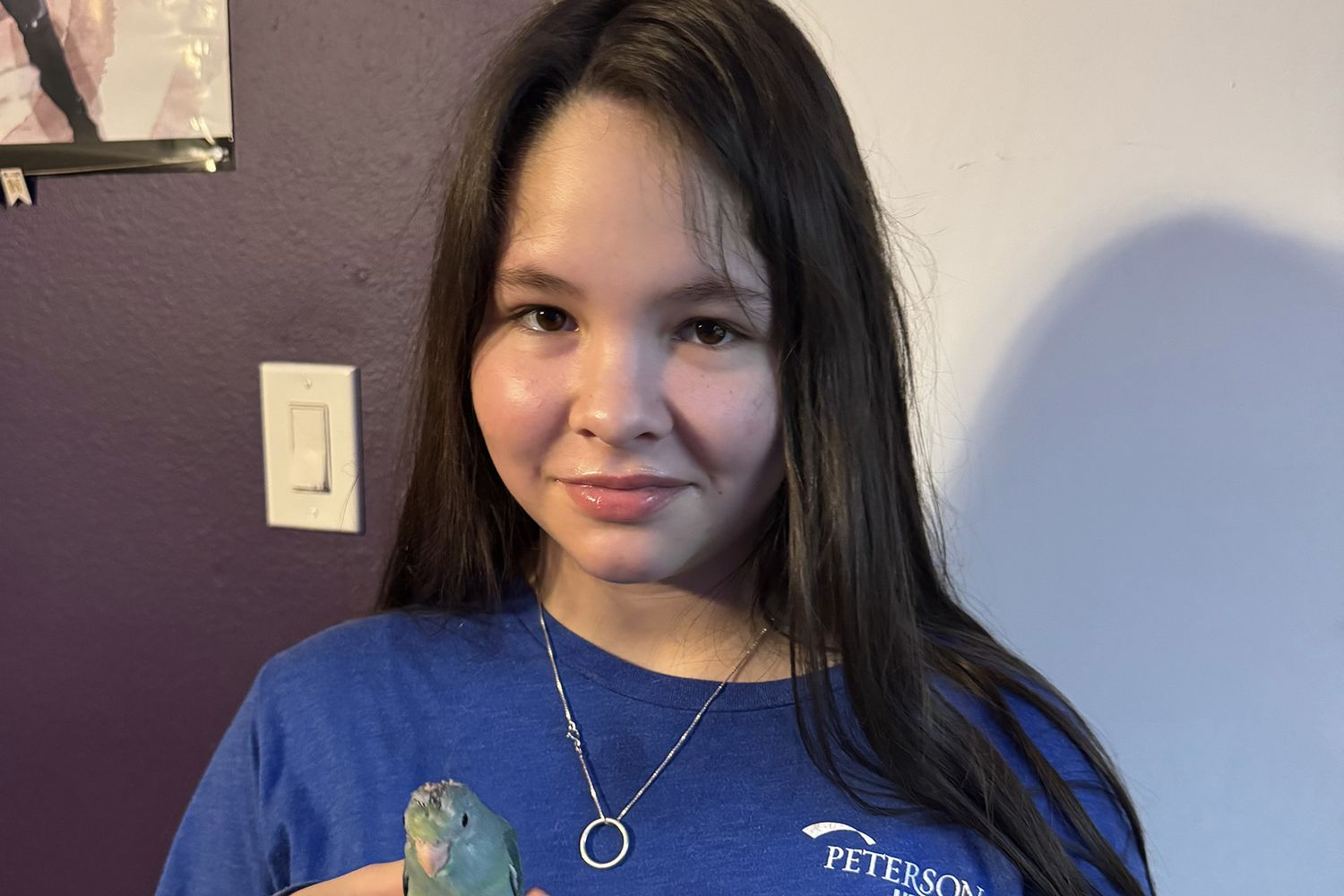
The story of 13-year-old Kaydin Ruiz from Texas has drawn widespread attention for its heartbreaking and alarming nature, highlighting how a seemingly routine illness can escalate into a life-altering medical crisis. What began as common flu symptoms rapidly progressed into a severe and life-threatening condition, ultimately resulting in the amputation of both her legs and one arm. Her experience underscores not only the unpredictable nature of infections but also the critical importance of early intervention and awareness when dealing with illnesses that are often underestimated.
Kaydin’s ordeal began in late January, when she started experiencing symptoms typically associated with the flu, including fever, chills, and body aches. Like many families, her initial response involved seeking medical care while expecting a manageable recovery. However, within days, her condition deteriorated dramatically, leading to a cascade of complications that would change her life permanently. The progression from flu to septic shock and multi-organ failure serves as a stark reminder of how rapidly infections can spiral, particularly in vulnerable individuals or in cases involving aggressive strains or secondary infections.
From Flu Symptoms to a Rapid Medical Crisis
At the onset, Kaydin Ruiz’s symptoms appeared consistent with influenza, a viral infection that affects millions each year. Her mother sought medical attention when the symptoms persisted, and initial treatment included oxygen support, fluids, and monitoring. At that stage, healthcare providers considered transferring her for higher-level care but ultimately discharged her with instructions to continue supportive treatment at home. This decision, while based on the information available at the time, illustrates the challenges medical professionals face in predicting how viral infections may evolve.
Shortly after returning home, Kaydin’s condition worsened significantly. She began to experience severe respiratory distress and required urgent hospitalization. Upon being transferred to a more advanced medical facility, doctors identified a combination of complications that included strep pneumonia, septic shock, and multi-organ failure. Her heart function dropped to dangerously low levels, reportedly operating at only a fraction of its normal capacity, and at one point, she even went into cardiac arrest.
This rapid escalation reflects how influenza can weaken the immune system, making the body more susceptible to secondary bacterial infections. In Kaydin’s case, the infection triggered a systemic inflammatory response, leading to septic shock. This condition occurs when the body’s response to infection causes widespread inflammation, resulting in dangerously low blood pressure and reduced blood flow to vital organs. When left unchecked, it can lead to organ failure, as seen in her case.
Complications Leading to Amputation
One of the most devastating aspects of Kaydin’s illness was the development of severe clotting complications. As her body battled the infection, toxins released by bacteria disrupted normal blood circulation and triggered abnormal clot formation. This condition, often associated with severe infections, can block blood flow to extremities, causing tissue damage and, ultimately, necrosis.
For Kaydin, the consequences were severe. Blood clots formed in critical areas, preventing adequate circulation to her limbs. Despite aggressive medical intervention, the damage progressed to a point where saving the affected limbs was no longer possible. Doctors were forced to make the difficult decision to amputate both of her legs and one arm in order to prevent the spread of infection and preserve her life.
Read : Why Menstrual Hygiene Day is Observed on May 28 ?
Such outcomes, while rare, are not unheard of in cases of severe sepsis and multi-organ failure. When tissues are deprived of oxygen due to impaired blood flow, they begin to die, creating a risk of further infection and systemic complications. Amputation, in these cases, becomes a life-saving measure rather than a treatment choice. The emotional and physical toll of such a decision is immense, particularly for a young patient whose life has been abruptly altered.
Kaydin’s case also highlights the complexity of treating advanced infections. Even with modern medical technology and specialized care, certain conditions progress too rapidly for complete recovery without significant consequences. The focus, therefore, shifts to preserving life and stabilizing the patient, even if it involves drastic interventions.
A Life Forever Changed and a Message of Awareness
The aftermath of Kaydin’s illness extends far beyond the physical surgeries she endured. The psychological and emotional impact of losing three limbs at such a young age is profound. Adjusting to a new reality that includes extensive rehabilitation, prosthetics, and long-term medical care presents significant challenges not only for her but also for her family.
Her mother has spoken openly about the difficulty of processing such a transformation, expressing the emotional weight of explaining to a child that her life has permanently changed. Beyond the immediate trauma, Kaydin now faces a long journey of recovery that will involve physical therapy, adaptive training, and emotional support to help her regain independence and confidence.
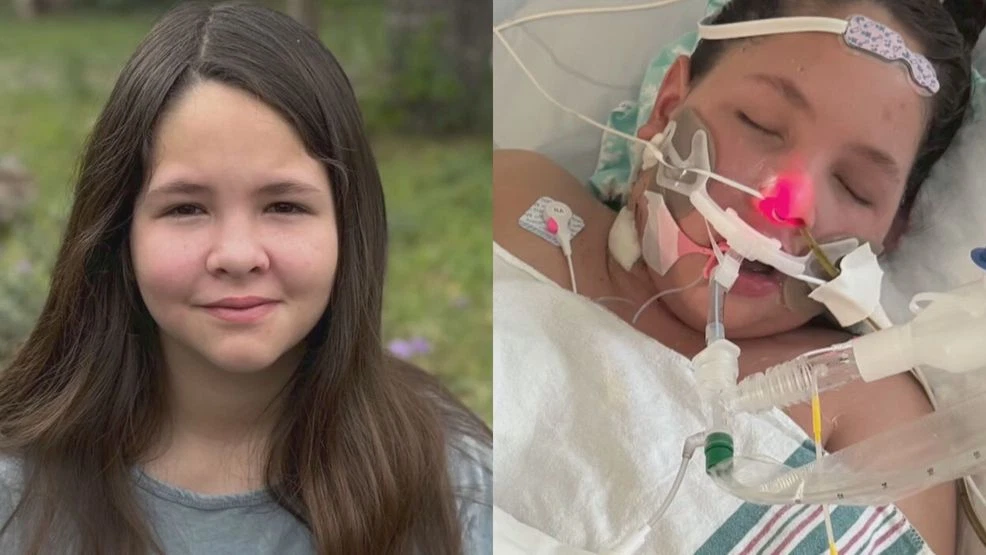
At the same time, her story has become a powerful message about the seriousness of influenza and related complications. While many people consider the flu to be a routine seasonal illness, cases like Kaydin’s demonstrate that it can have severe and unpredictable consequences. The progression from flu to pneumonia, followed by sepsis and organ failure, can occur rapidly, particularly when secondary infections are involved.
Medical experts often emphasize the importance of early detection and treatment, especially when symptoms worsen or do not improve as expected. Warning signs such as difficulty breathing, persistent high fever, confusion, or extreme fatigue should prompt immediate medical attention. Preventive measures, including vaccinations and maintaining overall health, also play a critical role in reducing the risk of severe outcomes.
Kaydin’s experience serves as a reminder that even common illnesses require vigilance. Her family has chosen to share her story not only to seek support during her recovery but also to raise awareness about the potential dangers associated with infections that may initially seem harmless. Their message resonates with many, urging people to take symptoms seriously and act promptly when conditions change.
As Kaydin begins the next phase of her life, her journey will undoubtedly involve resilience, adaptation, and support from her community. Advances in prosthetics and rehabilitation offer hope for improved mobility and independence, but the path ahead remains challenging. Her story stands as both a cautionary tale and a testament to survival, illustrating the fragile balance between health and illness and the profound impact that medical crises can have on individuals and families alike.