

The school prom is often seen as a rite of passage – a final celebration marking the end of a student’s academic journey before they move on to new chapters in their lives. For many teenagers, it is a moment they look forward to for years, a night of joy, closure, and camaraderie.
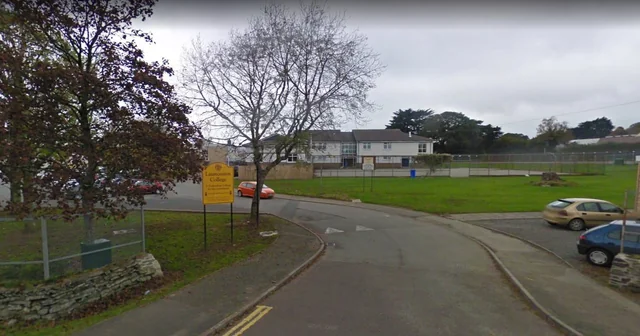
But at Kepier Academy in Houghton-le-Spring, near Sunderland, this dream has turned into disappointment for dozens of students. The school has come under fire for its decision to deny students entry to the prom based on stringent criteria concerning attendance, behaviour, and homework completion.
The move, which has been branded by many as draconian and unfair, has triggered emotional distress among students and outrage from parents. According to reports, at least 30 students have been told they are not eligible to attend the prom scheduled for 26 June. Despite attempts by some parents and students to organize an alternative celebration, the idea fizzled out due to lack of interest and resources, leaving affected students feeling isolated and heartbroken.
A “Carrot and Stick” Approach to Discipline
Kepier Academy’s criteria for prom attendance was anything but lenient. From the beginning of the academic year, students were informed that they needed to meet attendance thresholds that increased with each term. They had to achieve 96% attendance from September to January, 97% from February to mid-March, and a flawless 100% from mid-March to April.
In addition, students had to maintain acceptable standards of behaviour and complete their homework consistently to be considered eligible for the prom. This approach, described by some parents as a “carrot and stick” method, is not unique to Kepier Academy. Schools across England have used similar strategies to encourage better attendance and discipline.
However, critics argue that such methods fail to consider the complex realities that many students face. Illness, mental health challenges, family crises, and socioeconomic barriers often contribute to absenteeism, and punishing students by excluding them from major milestones only serves to deepen their struggles.
Read : Enchanting England: Must-Visit Destinations for Travelers
One mother shared with The Independent that her son, who is undergoing medical tests and sees a hospital consultant regularly, missed school due to unavoidable health issues. Despite his genuine health problems, he was told early on that he could not attend prom. This news had a devastating impact on him, leading to a decline in his behaviour and motivation. “Once he was punished, he thought there was no point,” she said, highlighting how the policy inadvertently led to the opposite of its intended effect.
Emotional Toll on Students and Families
The emotional consequences of the decision have been profound. Several students came home in tears after learning they would be excluded. For these children, prom was not just a party but a symbol of achievement and inclusion. Being denied this experience has left many of them feeling unworthy and rejected.
Another mother told the BBC how her daughter, who has struggled with mental health and fallen behind in homework, was left devastated. “She came home from school crying her eyes out feeling she wasn’t worthy. It broke her heart,” the mother said. Her statement echoes the sentiment of many other parents who feel that the school’s policy lacks compassion and understanding.
Some parents feel the criteria are not only overly strict but also disproportionately punitive. “I think it’s disgraceful with… children who want to go to prom and can’t,” said one parent. Others argue that the school failed to adequately consider individual cases and made no room for appeals or exceptions. The refusal to accommodate students with legitimate medical or psychological challenges is viewed by many as a violation of the very principles of inclusivity and support that educational institutions are supposed to uphold.
Education or Exclusion: A Question of Priorities
Supporters of Kepier Academy’s decision, including the Association of School and College Leaders, argue that the policy is necessary to promote good attendance and accountability. Pepe Di’Iasio, the association’s general secretary, defended schools like Kepier, stating, “We support school leaders in the actions they take to promote good attendance. There is strong and consistent evidence that poor attendance leads to lost learning and has a clear negative impact on academic achievement and long-term outcomes.”
Indeed, the challenge of improving school attendance is a pressing one. Data from the Department for Education shows that the absence rate across schools in England during the 2023/24 academic year was 7.1%, significantly higher than the pre-pandemic figure of 4.7% in 2018/19. Education Secretary Bridget Phillipson recently emphasized the need for schools to take responsibility for tackling poor attendance and called for collaborative efforts between schools, families, and local authorities.

However, critics of Kepier Academy’s method argue that encouraging attendance should not come at the cost of student well-being and dignity. They point out that while accountability is important, so too is compassion. Barring students from a once-in-a-lifetime event like prom – particularly when non-attendance is due to medical or mental health issues – sends a harmful message that hardships are punishable rather than supportable.
The policy also raises concerns about broader systemic issues. Many families believe that more needs to be done at the government level to support students who face barriers to regular attendance. This includes better access to mental health services, more funding for special education needs, and increased investment in attendance officers who can work with families to find solutions rather than impose penalties.
As things stand, the controversy at Kepier Academy illustrates the tensions between enforcing academic standards and nurturing a supportive educational environment. While discipline and structure are undeniably important, they must be balanced with empathy and flexibility. Education should not be reduced to a series of rigid checkboxes that fail to acknowledge the human stories behind each student.
For now, the children excluded from the Kepier Academy prom are left to deal with the emotional consequences of what they see as a deeply unfair decision. As more schools consider similar policies, the conversation around student support, mental health, and inclusivity in education must take centre stage.
Whether Kepier Academy will revise its policies in the future remains uncertain, but what is clear is that this incident has sparked a broader debate about how best to cultivate responsible, engaged students without alienating or punishing those who are already vulnerable.