
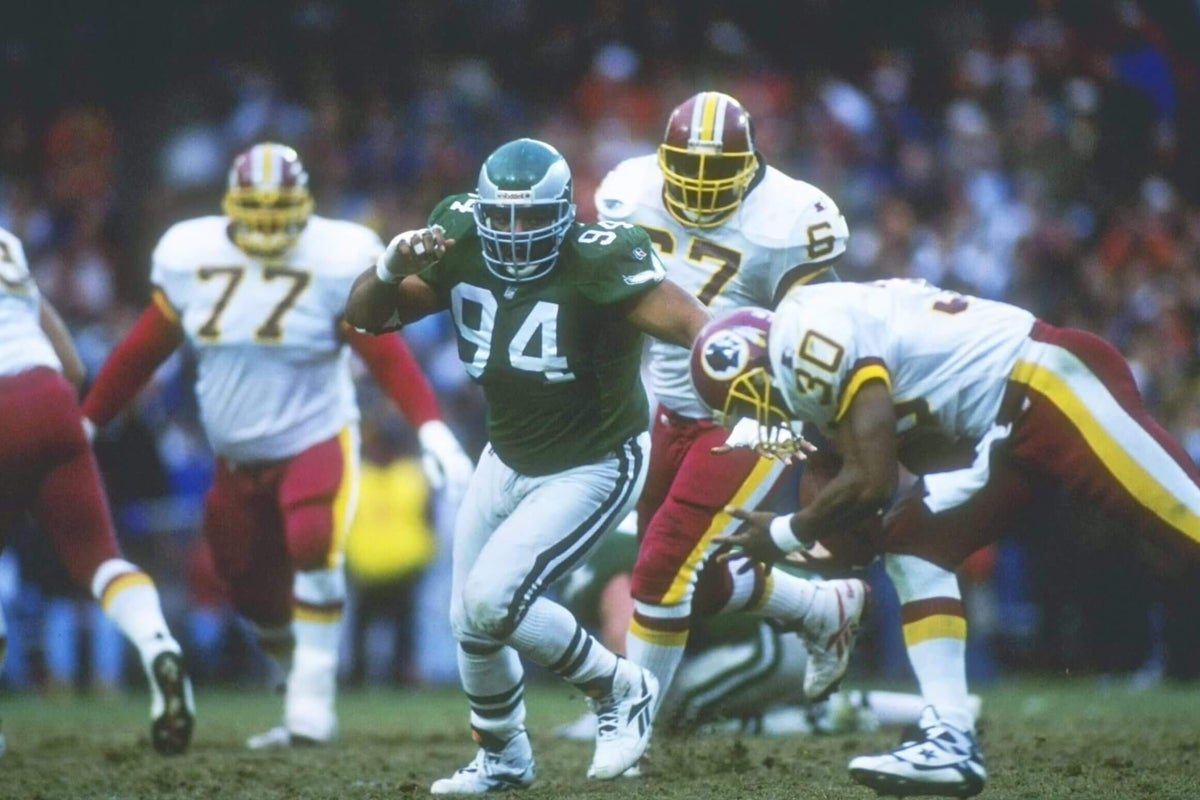
The death of former Oakland Raiders player Kevin Johnson has cast a harsh spotlight on the fragile circumstances faced by some retired professional athletes and the broader social crises surrounding homelessness, violence, and long-term health consequences of contact sports. Authorities in Los Angeles confirmed this week that Johnson, a former NFL defensive lineman, was found dead near a homeless encampment in the unincorporated Willowbrook area of South Los Angeles.
He was discovered Wednesday morning unconscious and suffering from multiple stab wounds as well as blunt force trauma to the head. By Friday, the Los Angeles County medical examiner’s office formally identified him and classified his death as a homicide. Johnson’s killing has prompted renewed public discussion about the post-career realities of former NFL players, particularly those who struggle with physical and neurological conditions years after leaving the sport.
While investigators have not yet released information about a suspect or motive, reports indicate that Johnson had been living at the encampment where his body was found. Friends told reporters that he had been dealing with significant health issues later in life, circumstances they believe contributed to his homelessness and vulnerability. The case remains under active investigation as authorities seek answers surrounding the fatal encounter.
Johnson’s life story reflects both the promise of elite athletic achievement and the difficulties that can emerge long after the stadium lights fade. Raised in Los Angeles, he reached the highest level of professional football, playing in the NFL during the 1990s. Yet his death underscores how even those who once played on the sport’s biggest stages can face instability and hardship, often outside the public eye.
Early Life and Professional Football Career
Kevin Johnson grew up in Los Angeles, where his athletic ability eventually led him to a career in professional football. Known for his size and strength, he played as a defensive tackle, a position that demands constant physical contact and collisions on nearly every play. After entering the NFL, Johnson spent two seasons with the Philadelphia Eagles before joining the Oakland Raiders.
During the 1997 season, Johnson played in 15 games for the Raiders, contributing along the defensive line. Though his NFL career was relatively brief compared with some of his peers, reaching the league itself represented a significant accomplishment. For many players, even a short tenure in the NFL is the culmination of years of discipline, training, and sacrifice.
Johnson’s time with the Eagles in the mid-1990s placed him in one of the league’s most physically demanding eras, before modern concussion protocols and increased awareness of head injuries were widely implemented. Defensive linemen from that period routinely absorbed repeated blows to the head and upper body, often without immediate medical evaluation unless injuries were visibly severe. Such conditions have since been linked to long-term neurological damage among former players.
Read : 20-Year-Old Woman Gets Addicted to Drinking Petrol: “It Cures the Depression”
Photographs from Johnson’s playing days show him standing on the sidelines in Eagles gear, a reminder of a period when his life revolved around structured routines, team support systems, and professional purpose. Like many players, however, Johnson faced the challenge of transitioning away from football once his career ended. For some, that transition can be smooth, but for others it brings financial strain, identity loss, and untreated health problems that compound over time.
Struggles After Football and Health Concerns
According to friends who spoke with media outlets, Johnson experienced ongoing health issues in the years following his football career. While specific diagnoses have not been publicly confirmed, some acquaintances told ABC7 in Los Angeles that they believed his condition could have been linked to chronic traumatic encephalopathy, commonly known as CTE. This degenerative brain disease has become a growing concern among former football players, particularly those who played in high-impact positions.
CTE is associated with repeated traumatic brain injuries, including concussions and subconcussive hits that accumulate over years of play. Unlike many other neurological conditions, CTE can only be definitively diagnosed after death through brain tissue analysis. As a result, many individuals may suffer symptoms for years without knowing the underlying cause.
Dr. Daniel Daneshvar, a Harvard University professor and co-director of sports concussion research at Mass General Brigham in Boston, has explained that CTE often goes undetected because its symptoms overlap with other mental health and neurological disorders. Individuals may experience depression, emotional instability, impaired judgment, memory loss, and difficulties with decision-making. These symptoms can affect personal relationships, employment, and the ability to maintain stable housing.
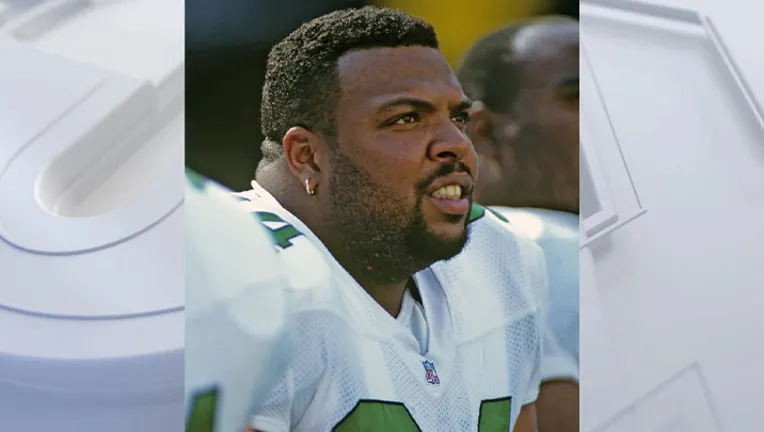
Friends of Johnson suggested that such challenges may have played a role in his later-life circumstances, including his presence at a homeless encampment at the time of his death. While homelessness among former professional athletes is not common, it does occur, particularly among those who face untreated mental health conditions, cognitive decline, or financial difficulties after retirement.
The issue has surfaced in other recent cases involving former NFL players. After the death of another former Raiders player, Doug Martin, who died in Oakland police custody in October, investigators reported that his brain was being preserved for potential CTE testing. Martin’s former agent stated that he had been dealing with significant mental health challenges that disrupted his personal and professional life. On the night of his arrest, Martin’s parents had reportedly been seeking medical help for him, underscoring the severity of his condition.
Medical experts note that the regions of the brain affected by CTE are responsible for regulating mood, behavior, and cognition. Damage in these areas can lead to impulsivity, aggression, depression, and difficulty navigating daily life. While it remains unclear whether Johnson will be evaluated for CTE, the speculation surrounding his health reflects broader concerns about the long-term welfare of former contact-sport athletes.
Investigation, Community Impact, and Broader Implications
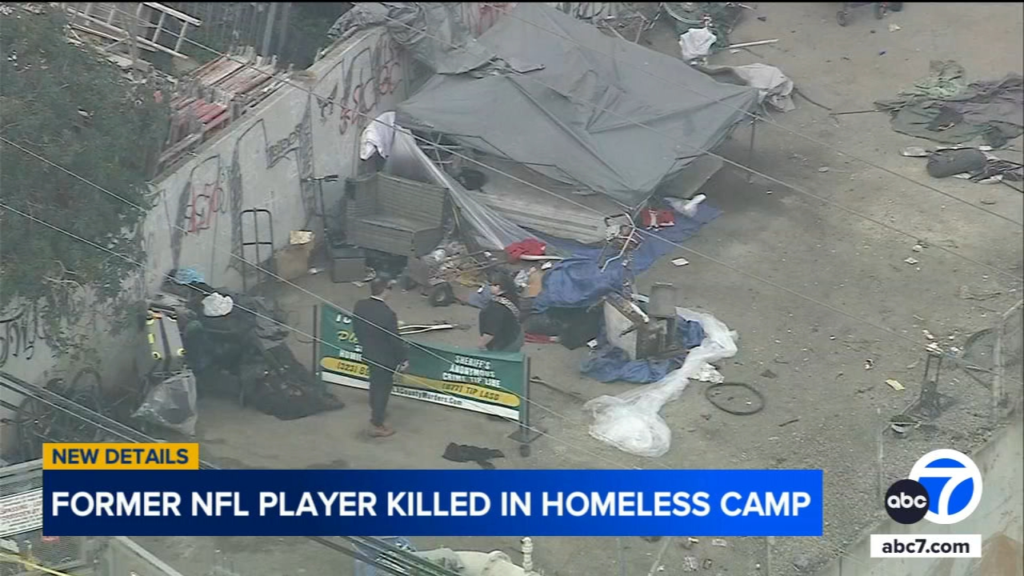
Law enforcement authorities have confirmed that Kevin Johnson’s death is being treated as a homicide, but details surrounding the incident remain limited. No suspects have been identified, and investigators have not released information about a possible motive. The circumstances of the killing, occurring near a homeless encampment, highlight the elevated risks of violence faced by individuals living without stable shelter.
Read : 59-Year-Old Frank Monte Mauled to Death by Friend’s Pit Bull Inside Staten Island Home
Homeless encampments across major U.S. cities have increasingly become sites of vulnerability, where residents face exposure to crime, health hazards, and limited access to protective services. Advocates argue that these conditions are the result of systemic failures, including inadequate mental health care, insufficient affordable housing, and fragmented social support networks. Johnson’s death has drawn attention to how these broader societal issues can intersect with the lives of former athletes who may already be coping with complex medical and psychological challenges.
The NFL has, in recent years, acknowledged the link between football-related head trauma and long-term neurological conditions. The league has funded research, updated safety protocols, and reached settlements with former players over concussion-related claims. However, critics argue that many retired players, particularly those who left the league decades ago, still lack adequate support for ongoing medical care, mental health treatment, and life after football.
Johnson’s case also raises questions about how communities identify and assist former professional athletes who fall into crisis. Without the visibility of active players or high-profile retirees, individuals like Johnson can slip through the cracks, their struggles unnoticed until tragedy occurs. His death serves as a reminder that the legacy of professional sports extends far beyond game statistics and highlight reels, encompassing long-term human consequences that are still being understood.
As the investigation continues, Johnson’s family, friends, and former teammates are left grappling with the loss. For those who knew him during his playing days, the news has been both shocking and sobering, prompting reflection on how a former NFL player could end up living in such precarious circumstances. While authorities work to determine the facts surrounding his killing, the broader conversation sparked by his death is likely to persist, focusing on player health, post-career support, and the societal conditions that place vulnerable individuals at risk.
Whether or not Johnson is ultimately evaluated for CTE, his story adds to a growing body of evidence that the effects of football can linger long after retirement, influencing mental health, stability, and quality of life. His death at a Los Angeles homeless encampment stands as a stark illustration of how unresolved health issues and social challenges can converge with fatal consequences, underscoring the need for continued attention to both athlete welfare and community safety.