

The shocking death of Kevin Watson, a 42-year-old Chicago man, has left the community in mourning and sparked widespread attention online. Watson was fatally shot on Wednesday evening while broadcasting a Facebook livestream from his car. The incident occurred in the South Austin neighborhood, specifically in the 5000 block of West Madison Street, around 6:14 p.m., according to the Chicago Police Department. The tragic moment was captured in real time and has since gone viral, with the video amassing more than 2.5 million views.
The Incident and Viral Livestream
Kevin Watson’s final moments were witnessed by thousands of people across the world, as he unknowingly documented the confrontation that led to his death. In the livestream, Watson is seen sitting in the driver’s seat of his car, speaking directly to his audience. He appeared calm and conversational, discussing what seemed to be a dispute over parking. His words reflected an attempt to de-escalate the situation, as he emphasized the willingness to move his car so others could have space.
Moments later, the video captures the chilling escalation. A person approaches the vehicle from outside the driver’s window. Kevin Watson raises his hands inside the car, a gesture interpreted as an attempt to show he was not a threat. He then steps out of the car. Within seconds, gunshots ring out, and chaos follows.
The livestream continues for a brief moment, capturing voices of bystanders reacting to the crime and advising others not to disturb the scene, recognizing it as a potential crime scene. Eventually, the phone’s camera angle shifts, showing only the ceiling of the car before the video ends.
BREAKING: Kevin Watson, 42, was shot and killed while on Facebook Live after someone allegedly tried to rob him for his chain.
— I Came, I Saw, They died 🇺🇸📢🇺🇸 (@4ortunefame) August 14, 2025
The incident happened near Madison & LeClaire in Chicago’s Austin neighborhood on Aug. 13.
R.I.P🕊️🙏🏾 pic.twitter.com/7kcEIu9REF
The disturbing nature of the livestream, combined with its wide circulation, has sparked debates over the role of social media in documenting violence. Many platforms and news outlets, including Hindustan Times, chose not to embed the video due to its graphic content, labeling it too triggering for viewers. Despite this, the video continues to spread online, raising questions about the accessibility of violent content and its potential psychological effects on viewers.
Kevin Watson’s Final Words and Community Reactions
One of the most haunting aspects of the livestream is Kevin Watson’s final recorded words. As he spoke to his audience, Watson described a parking situation, seemingly frustrated but not aggressive. He was quoted saying: “I said, listen, bro, if they do come, let us park right here. You feel me? If they do come, come get me. We’ll move the car so they can get the space. We will move our car. Whatever car we need so they can get the space. Let’s get the park.” These statements suggest that the conflict may have originated from a disagreement over parking arrangements, though the exact details remain unclear.
The tragedy has deeply affected the South Austin community. Residents in the area have long dealt with concerns about violence, but the fact that this incident was captured in real-time on social media has amplified its impact. Neighbors and community members expressed sorrow for Watson’s family, while also voicing frustration at the ongoing cycle of violence that continues to claim lives in Chicago.
Read : Savage! Mother Sells Her Two Sons for $11,600 to Fund Tips for Live-Streaming Hosts
The Cook County Medical Examiner confirmed Watson’s identity and ruled his death a homicide caused by gunshot wounds to the chest. Chicago Police are continuing their investigation, though no arrests had been made in the immediate aftermath. Authorities have not yet confirmed whether the shooter and Watson knew each other, nor have they clarified the specific motive behind the attack.
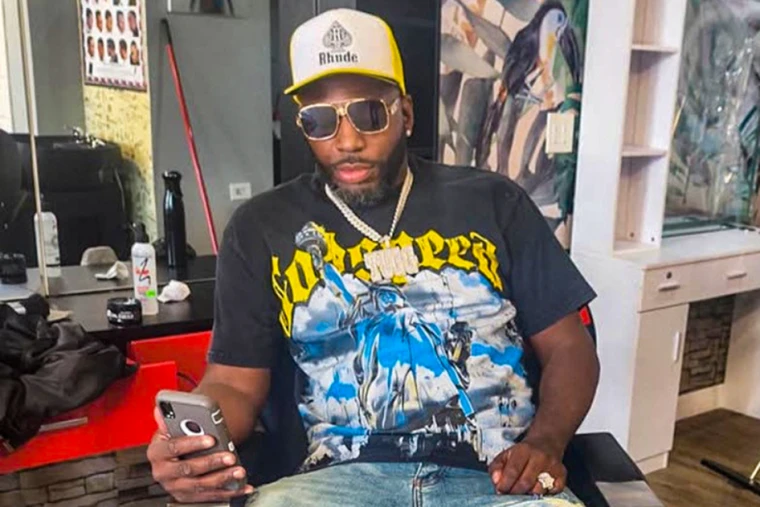
The viral nature of the video has drawn in reactions not only from Chicagoans but also from people across the world. Many have shared condolences online, while others expressed anger at the senseless loss of life. The case has also reignited discussions around gun control, crime prevention, and the broader social issues affecting urban communities in America.
The Broader Impact of Violence on Social Media
Kevin Watson’s death has once again highlighted the troubling phenomenon of violent crimes being broadcast live on social media platforms. In the past decade, several tragic incidents have been streamed or recorded live, shocking global audiences and raising ethical questions about the boundaries of digital content. Social media platforms face a constant struggle to balance freedom of expression with the responsibility to protect viewers from harmful and graphic content.
Experts argue that videos like Kevin Watson’s can serve as both a stark reminder of the realities of gun violence and as a potential source of trauma for viewers who are not prepared to witness such events. The viral spread of these videos can desensitize audiences to violence, normalize dangerous behaviors, and retraumatize victims’ families who must cope with the public display of their loved one’s final moments.
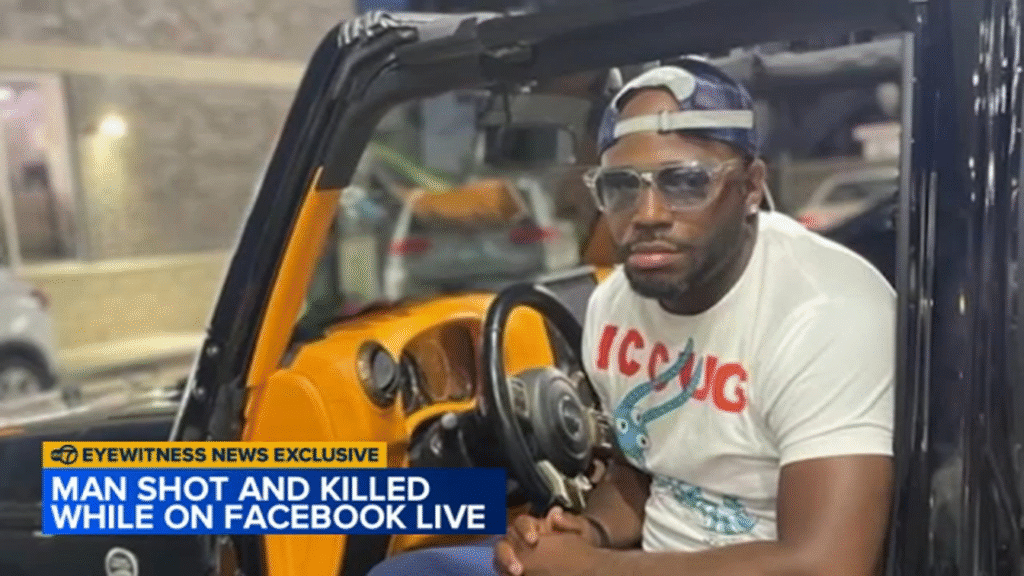
In Watson’s case, the video also became a key piece of evidence for investigators. Livestreamed footage can provide law enforcement with critical insight into crimes, helping to identify suspects and establish timelines. However, the fact that Watson’s murder was broadcast live raises unsettling questions about the world we live in—where life-and-death moments can be consumed instantly, replayed repeatedly, and shared without boundaries.
The Chicago Police Department has urged anyone with information about the shooting to come forward, stressing that community cooperation is essential to bringing justice for Watson. While the investigation is ongoing, the viral video has already cemented this case as one of the most talked-about tragedies in recent months.
As Chicago grapples with ongoing concerns over gun violence, Kevin Watson’s death serves as a stark reminder of how quickly disputes can escalate and how technology can transform personal tragedies into global spectacles. His death not only adds to the grim statistics of violence in the city but also leaves behind a lasting image of a man caught between the ordinary act of livestreaming and the extraordinary horror of being fatally shot in front of millions.
Kevin Watson’s story is one of tragedy, but it also carries a message about the fragility of life, the importance of addressing systemic violence, and the need for communities and authorities to work together to prevent such senseless acts in the future. His final words, filled with an effort to avoid conflict, echo as a painful reminder of a life cut short and a society still struggling to confront its deep-rooted issues with crime and public safety.