
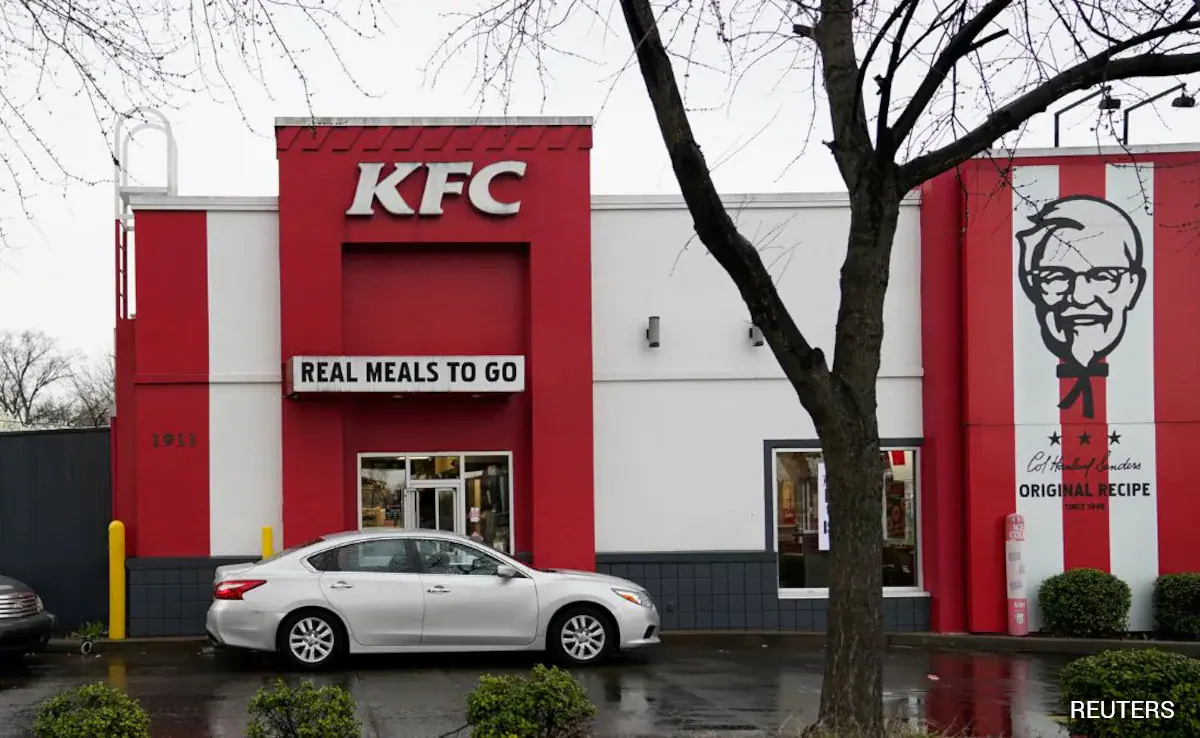
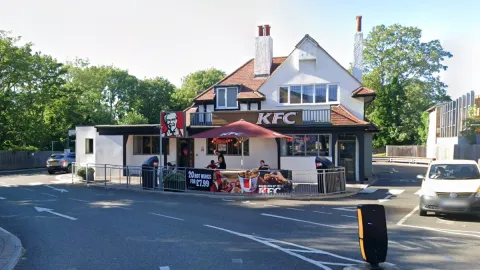
A south-east London KFC franchisee has been ordered to pay nearly £70,000 in compensation after an employment tribunal found that an Indian worker was subjected to racial discrimination, harassment and wrongful dismissal. The case, heard by an employment tribunal and ruled on by Judge Paul Abbott, centred on the treatment of Madhesh Ravichandran, a worker from the Indian state of Tamil Nadu, who was employed at the West Wickham KFC branch operated by Nexus Foods Limited.
The judgment has highlighted serious failings in workplace conduct, management accountability and the handling of discrimination complaints within franchised operations of large multinational brands. Madhesh Ravichandran began working at the West Wickham outlet in January 2023. Within a matter of weeks, his employment experience deteriorated sharply, culminating in his resignation after what the tribunal described as sustained discriminatory behaviour and a lack of meaningful response from management.
The tribunal concluded that racial bias played a significant role in how Madhesh Ravichandran was treated, including the refusal of annual leave, the imposition of excessive working hours and derogatory remarks made by a senior manager. The ruling not only awarded substantial compensation to the claimant but also issued recommendations aimed at preventing similar incidents in the future.
Background to the Case and Tribunal Findings
The tribunal heard that Mr Ravichandran’s difficulties at work began shortly after he started his role at the KFC branch. By March 2023, just two months into his employment, he had requested annual leave, which was refused. Judge Abbott later found that this refusal was not a neutral managerial decision but one that was “significantly influenced” by Mr Ravichandran’s race. This finding was central to the tribunal’s conclusion that direct race discrimination had taken place.
More seriously, the tribunal was told that Madhesh Ravichandran overheard his manager, Kajan Theiventhiram, speaking to another colleague about staffing priorities. During this conversation, Mr Theiventhiram reportedly said that he would prioritise Sri Lankan Tamil staff and referred to Mr Ravichandran as “this slave.” The tribunal accepted the claimant’s account of this incident, describing the language used as racially derogatory and demeaning. Judge Abbott found that the remark amounted to harassment related to race, noting that it violated Mr Ravichandran’s dignity and created an intimidating, hostile and humiliating working environment.
The judgment further detailed that Madhesh Ravichandran was routinely required to work excessive hours. According to the tribunal, this was not merely a consequence of staffing pressures or operational demands, but was instead driven by Mr Theiventhiram’s “racially prejudiced attitude” towards the claimant. Judge Abbott accepted evidence that Mr Ravichandran felt he could not refuse these hours without risking further negative treatment, reinforcing the power imbalance between manager and employee.
Read : Bizarre! KFC’s Fried Chicken-Flavoured Toothpaste Sold Out in Just 48 Hours
After overhearing the discriminatory comments, Madhesh Ravichandran raised concerns internally. However, the tribunal found that no genuine or effective investigation followed. Months later, feeling that his complaints were being ignored and that his working conditions were intolerable, he resigned. The tribunal concluded that his resignation amounted to constructive dismissal, as he had been left with no reasonable alternative but to leave his job due to the employer’s failure to address the discrimination he faced.
Read : Top Ten Most Beautiful Villages to Visit in China
The tribunal ultimately found Nexus Foods Limited liable for wrongful dismissal, direct race discrimination, harassment related to race and victimisation. The compensation award totalled £66,800, reflecting financial loss as well as injury to feelings. Judge Abbott emphasised that the claimant had been “upset and humiliated” by the treatment he received, and that the impact on his dignity and mental wellbeing was significant.
Racial Discrimination, Harassment and Workplace Power Dynamics
The case has drawn attention to the persistent issue of racial discrimination in low-paid and frontline service industries, where migrant workers are often particularly vulnerable. Mr Ravichandran’s experience, as outlined in the tribunal findings, illustrates how discriminatory attitudes can manifest not only through overt remarks but also through everyday management decisions such as shift allocation, leave approval and workload expectations.
The tribunal’s acceptance of the term “slave” as racially loaded and deeply offensive underscores the seriousness with which such language is treated under UK employment law. Judge Abbott made clear that the use of this term, especially when directed at an Indian worker by a manager in a position of authority, could not be dismissed as casual or colloquial speech. Instead, it reflected a mindset that reduced the claimant to a subordinate status based on race, reinforcing harmful stereotypes and historical associations.
The case also highlighted how preferential treatment of certain ethnic groups over others can amount to unlawful discrimination, even when those groups share some cultural or linguistic similarities. The tribunal noted that prioritising Sri Lankan Tamil staff over an Indian Tamil worker was not a benign staffing choice but one rooted in racial and national distinctions that had no legitimate justification.
This aspect of the ruling serves as a reminder that discrimination law protects individuals from unequal treatment based on race, nationality and ethnic origin, regardless of perceived proximity between groups. Another important dimension of the case was the imbalance of power between Mr Ravichandran and his manager.
As a relatively new employee and a migrant worker, Mr Ravichandran was particularly dependent on his job and less likely to challenge unfair treatment openly. The tribunal recognised that this vulnerability may have contributed to the prolonged nature of the discrimination and the pressure he felt to continue working excessive hours. Judge Abbott’s findings suggest that employers have a heightened responsibility to ensure that managers do not exploit such power imbalances.
The failure to conduct a meaningful investigation into Mr Ravichandran’s complaints was also a critical factor in the tribunal’s decision. The judgment indicated that simply having policies in place is insufficient if allegations of discrimination are not taken seriously and addressed promptly. The absence of an effective response not only exacerbated the harm suffered by the claimant but also constituted victimisation, as his attempt to raise concerns resulted in no protection or remedial action.
Implications for Employers, Franchise Operators and Training Obligations
Beyond the compensation award, the tribunal issued a recommendation that Nexus Foods Limited implement a training programme for all employees concerning discrimination in the workplace. While such recommendations are not legally binding, they carry significant weight and are intended to prevent future breaches of equality law. The inclusion of this recommendation suggests that the tribunal viewed the issues at the West Wickham KFC branch as systemic rather than isolated.
Read : YouTuber Cenzo Eats Chicken Inside ISKCON’s Govinda Restaurant in London
For franchise operators, the case serves as a stark warning about the legal and reputational risks associated with discriminatory practices. Although KFC is a global brand, individual franchisees are responsible for the day-to-day management of their staff and can be held directly liable for breaches of employment law. This case demonstrates that the actions of a single manager can result in substantial financial penalties and public scrutiny for the operating company.
The ruling also reinforces the importance of robust training and oversight mechanisms within franchised businesses. Employers are expected to ensure that managers understand their obligations under equality legislation and are equipped to handle complaints appropriately. Training programmes that address unconscious bias, respectful communication and complaint handling are increasingly viewed by tribunals as a necessary component of compliance, rather than an optional extra.
From a broader perspective, the case contributes to ongoing discussions about the treatment of migrant workers in the UK hospitality and fast-food sectors. These industries often rely heavily on workers from diverse backgrounds, making effective anti-discrimination measures essential. The tribunal’s findings illustrate how failure to foster an inclusive and respectful workplace can lead not only to individual harm but also to significant legal consequences.
Judge Abbott’s decision sends a clear message that racial discrimination, whether explicit or subtle, will not be tolerated in the workplace. The award of £66,800 reflects both the seriousness of the conduct and the lasting impact on the claimant. For employers, the case underscores the need to move beyond formal compliance and ensure that equality principles are actively upheld in everyday management practices.
As employment tribunals continue to scrutinise how discrimination complaints are handled, cases like this highlight the importance of accountability at all levels of an organisation. The West Wickham KFC ruling stands as a reminder that dignity at work is a legal right, and that breaches of this right can carry substantial financial and operational consequences for those responsible.
Alright folks, 80gamesvip showed promise. The VIP aspect is kinda cool, but the game selection needs a bit more oomph. Still, worth checking out if you’re looking for something a bit different. You can find it at 80gamesvip.