
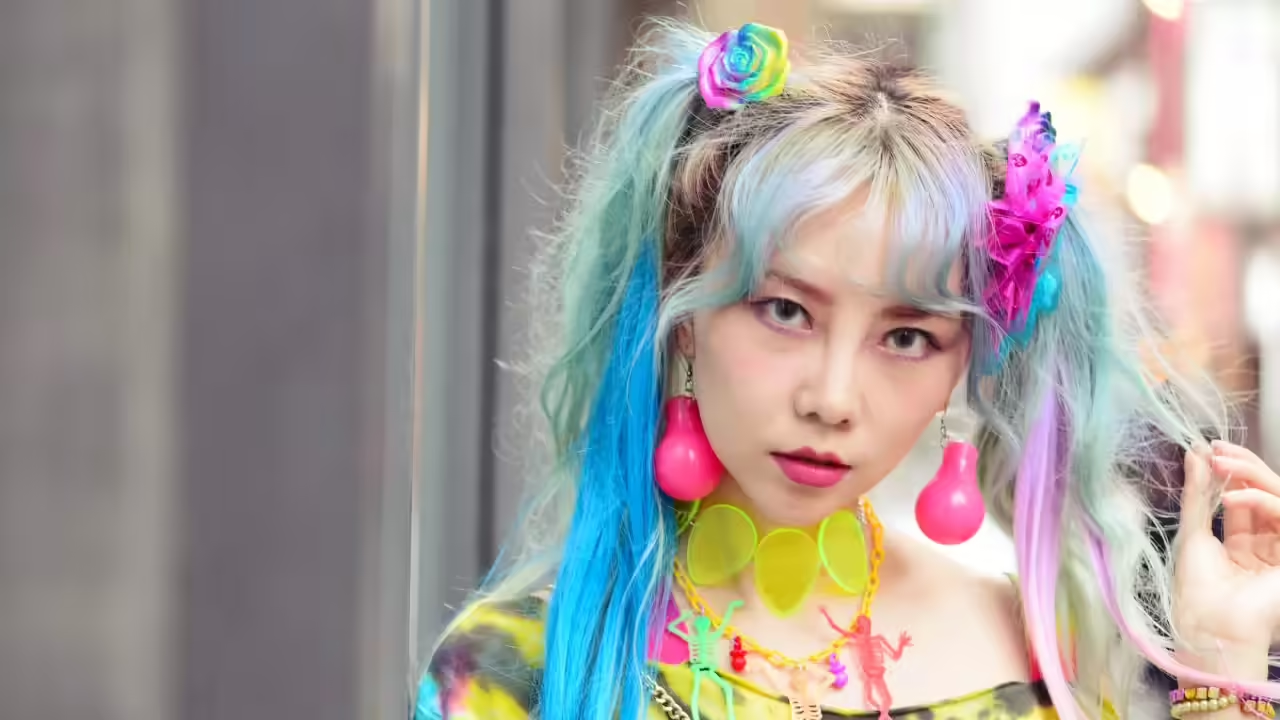
A 20-year-old woman named Hua, from a small city in China, has been diagnosed with Kidney Disease After Dyeing Hair Monthly to emulate celebrity hairstyles. Hua’s case has raised concerns about the health risks associated with the overuse of chemical hair products, particularly among young people influenced by social media and celebrity culture. Doctors have identified the prolonged exposure to certain chemicals in hair dyes as a contributing factor to her condition, prompting warnings about the need for greater awareness and regulation of such products.
Hua’s situation, first reported by local health authorities, has drawn attention to the dangers of frequent hair dyeing, especially when done without proper precautions. Over the past three years, Hua dyed her hair monthly, often using affordable, over-the-counter hair dye kits purchased online. Inspired by the vibrant and ever-changing hairstyles of celebrities she followed on social media, she sought to replicate their looks, unaware of the potential health consequences. Her diagnosis of kidney disease has sparked discussions about the safety of cosmetic products and the pressures of beauty standards driven by celebrity trends.
Kidney Disease After Dyeing Hair Monthly
Medical experts treating Hua have pointed to the chemicals in hair dyes, particularly paraphenylenediamine (PPD) and ammonia, as likely contributors to her kidney disease. PPD, a common ingredient in permanent hair dyes, is known to cause allergic reactions in some users, but prolonged exposure through frequent use can lead to more severe health issues. According to Hua’s doctor, Dr. Li Wei, a nephrologist at a regional hospital, the accumulation of such chemicals in the body can overwhelm the kidneys, which filter toxins from the blood. Over time, this can impair kidney function, leading to chronic conditions like Hua’s.
Dr. Li explained that the kidneys are particularly vulnerable to toxic substances absorbed through the scalp, a highly permeable area of the skin. In Hua’s case, her monthly dyeing routine, combined with the use of multiple products like bleaches and toners, likely increased her exposure to harmful chemicals. Tests revealed elevated levels of creatinine in her blood, a sign of kidney dysfunction, and further examinations confirmed early-stage kidney disease. While her condition is treatable with medication and lifestyle changes, Dr. Li emphasized that without intervention, it could have progressed to kidney failure, requiring dialysis or a transplant.
Health authorities have noted that Hua’s case is not isolated. Similar reports have emerged in recent years, particularly among young women who frequently dye their hair to keep up with beauty trends. The lack of clear warnings on hair dye packaging about long-term risks has raised questions about the need for stricter regulations. Dr. Li urged consumers to limit hair dyeing to a few times a year and to choose products with safer formulations, ideally under professional supervision.
Influence of Celebrity Culture and Social Media
Hua’s frequent hair dyeing was driven by her desire to mimic the looks of celebrities she admired on platforms like Weibo and Douyin, China’s version of TikTok. The 20-year-old, a college student, reportedly spent hours scrolling through social media, saving images of celebrities with bold hair colors like platinum blonde, pastel pink, and fiery red. She viewed these transformations as a way to express her individuality and stay trendy, unaware of the health risks involved.
Read : Chinese Cemetery in Thailand Hosts Unique Movie Night for Dead, Arranging Rows of Empty Seats
Experts in sociology and public health have highlighted the role of celebrity culture in shaping beauty standards, particularly among young people. Dr. Zhang Mei, a sociologist studying youth behavior, noted that social media amplifies the pressure to conform to idealized images. “Celebrities often change their appearance for roles or brand endorsements, and their fans feel compelled to follow suit,” she said. For Hua, this meant dyeing her hair monthly to achieve the same vibrant looks, often using low-cost products that lacked safety certifications.
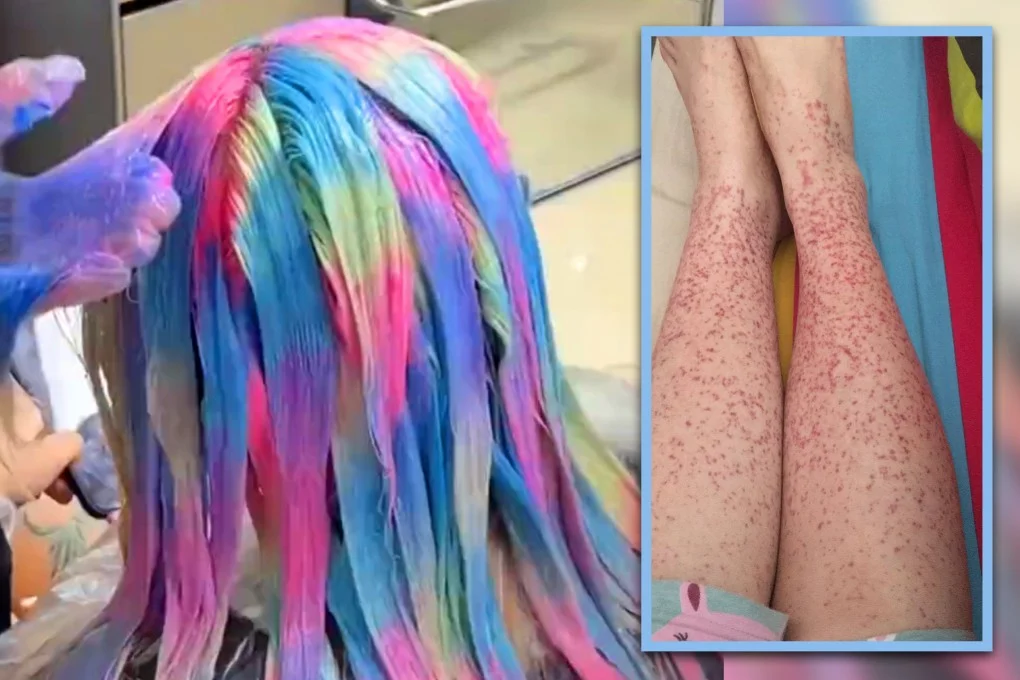
The accessibility of hair dye kits through e-commerce platforms has made it easier for young people like Hua to experiment with their appearance. However, many of these products, especially cheaper ones, contain high concentrations of PPD and other chemicals that can pose health risks when used excessively. Dr. Zhang emphasized the need for education campaigns to inform young consumers about the dangers of overusing such products. She also called for social media influencers to promote responsible beauty practices, given their influence over impressionable audiences.
Hua’s case underscores the broader societal issue of beauty standards driven by celebrity culture. While social media provides a platform for self-expression, it can also create unrealistic expectations, leading to risky behaviors. Public health officials are now advocating for greater awareness about the safe use of cosmetic products, urging young people to prioritize their health over fleeting trends.
Call for Regulation and Consumer Awareness
Hua’s diagnosis has prompted calls for stricter oversight of hair dye products and their marketing. In China, where the beauty industry is booming, regulatory bodies have been criticized for not enforcing stringent safety standards for cosmetics. Many hair dyes available online lack detailed ingredient lists or warnings about long-term use, leaving consumers like Hua unaware of potential risks. Local health authorities are now reviewing guidelines for cosmetic product labeling to ensure clearer information about chemical contents and usage limits.
The Chinese Cosmetic Association has responded to Hua’s case by announcing plans to collaborate with manufacturers to improve product safety. A spokesperson for the association stated that they are working on guidelines to limit the concentration of harmful chemicals like PPD in hair dyes. They also plan to launch a public awareness campaign to educate consumers about the risks of frequent hair dyeing and the importance of choosing reputable brands.
Consumer advocacy groups have echoed these calls, urging the government to implement mandatory testing for all cosmetic products sold online. They argue that the lack of regulation in the e-commerce space has allowed substandard products to flood the market, putting consumers at risk. In Hua’s case, the dyes she used were purchased from an online retailer with no visible safety certifications, highlighting the need for better oversight.
For now, Hua is undergoing treatment to manage her kidney disease, which includes medication to support kidney function and a strict diet to reduce strain on her organs. She has stopped dyeing her hair and expressed regret for not researching the risks earlier. “I just wanted to look like my favorite celebrities,” she said in an interview with a local news outlet. “I didn’t know it could hurt me like this.”
Her case serves as a cautionary tale for others who may be tempted to follow beauty trends without considering the consequences. Health experts are urging young people to be cautious about the products they use and to seek professional advice before undergoing frequent hair treatments. They also recommend patch tests to check for allergic reactions and limiting dyeing sessions to reduce chemical exposure.
As Hua’s story gains attention, it is prompting a broader conversation about the intersection of beauty, health, and consumer safety. Public health officials hope that her experience will encourage both regulators and consumers to take a closer look at the products they use and the influences that drive their choices. For now, Hua’s focus is on her recovery, but her case has already sparked a movement toward greater accountability in the beauty industry and a reevaluation of the pressures young people face to conform to celebrity-driven trends.