
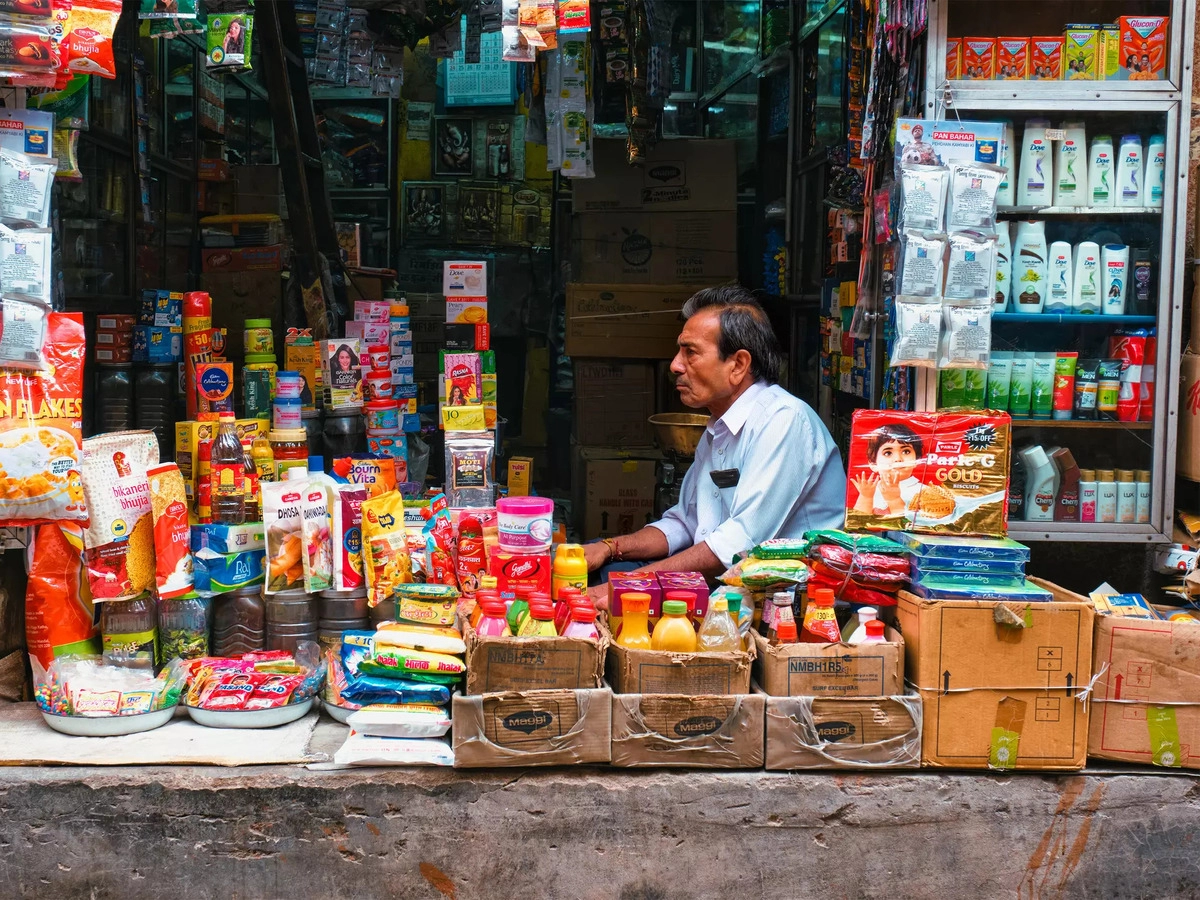
The rapid rise of quick commerce platforms has brought a seismic shift to India’s retail landscape, leaving traditional kirana stores grappling for survival.
In a recent report, the All India Consumer Products Distributors Federation (AICPDF) estimated that approximately 2 lakh kirana stores across the country have shut down due to the influence of these emerging platforms.
As quick commerce apps establish a formidable foothold, kirana stores face unprecedented challenges, not only from changing consumer behavior but also from aggressive pricing and competitive pressures. This phenomenon has raised alarms about the future of kiranas, which have long been the backbone of India’s retail network.
The Surge of Quick Commerce and its Impact on Kirana Stores
Quick commerce apps, designed to fulfill orders in under an hour, have rapidly gained popularity among consumers, especially in metropolitan areas and urban centers. Companies like Blinkit, Zepto, and Swiggy Instamart have capitalized on the demand for convenience, expanding their networks with dark stores to facilitate quick deliveries.
These dark stores, typically smaller warehouses that service only online orders, have enabled companies to cut down on delivery times drastically, a strategy proving to be disruptive for traditional kiranas that rely on in-store foot traffic and neighborhood loyalty.
Read : Reliance and Nvidia Unite for AI Infrastructure in India
The impact has been especially pronounced in metro areas, where 45% of the reported kirana closures have occurred, according to the AICPDF. Following metro cities, Tier 1 cities have experienced a 30% share of closures, with Tier 2 and Tier 3 cities at 25%.
Dhairyashil Patil, National President of AICPDF, emphasized that quick commerce platforms have disrupted business primarily in urban areas, where consumer demand for faster deliveries has been highest.
Read : Urban Pulsations: Navigating the World’s Top Ten Busiest Streets
The rapid scaling of quick commerce platforms, however, has not been without criticism. Industry leaders argue that quick commerce companies are increasingly engaging in predatory pricing strategies, offering deep discounts to gain market share.
By providing discounts of up to 75-80%, these platforms have fostered an expectation of lower prices for online purchases, putting kiranas at a disadvantage. FMCG distributor bodies, including AICPDF, argue that these discounts are unsustainable in the long run, not only undermining traditional stores but also putting financial strain on the platforms themselves.
Kirana Stores’ Digital Transformation: The Way Forward
With the growing competition from quick commerce, many kirana store owners are embracing digital transformation to remain competitive. During the Covid-19 pandemic, kiranas quickly adapted to digital methods to sustain operations during lockdowns, and this shift has only accelerated with the rise of quick commerce.
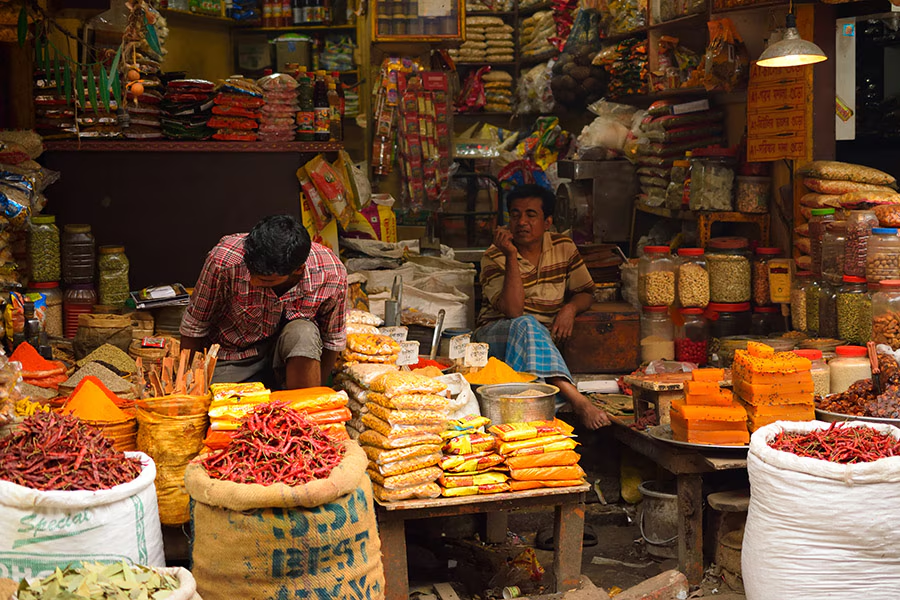
Today, many kiranas are leveraging digital platforms such as WhatsApp to accept orders and arrange deliveries, mirroring the convenience offered by quick commerce apps. This shift is evident in rural areas as well, where eB2B platforms have provided solutions for formal credit and improved customer service, creating a digitally savvy kirana network.
Yashwant Lodha, co-founder of fintech start-up PayNearby, highlights this trend, noting how kirana stores are now more willing than ever to adopt digital solutions.
PayNearby partners with local retailers to enable financial and digital commerce services for their communities, empowering kiranas to offer enhanced services without extensive infrastructure investments.
A recent report by Redseer Strategy Consultants echoes this shift, revealing that many kirana stores have been integrating digital infrastructure to streamline operations.
While these efforts represent positive progress, the rapid expansion of quick commerce platforms means that kiranas must adapt at an unprecedented pace to stay relevant.
The expansion of quick commerce has led to a call for regulation and oversight. In response to the deep discounting practices employed by quick commerce apps, the AICPDF has appealed to government bodies, including the Competition Commission of India (CCI), to investigate the pricing practices of these platforms.
The AICPDF has flagged issues surrounding franchise agreements and dark store ownership structures, claiming these models favor larger quick commerce players over smaller kiranas.
The potential monopoly of quick commerce platforms, fueled by discounted prices and foreign investments, raises concerns over the fairness and sustainability of competition in the retail sector.
The Future of Kirana Stores in the Quick Commerce Era
Despite the rapid expansion of quick commerce, kirana stores continue to be indispensable to India’s retail landscape. India is home to an estimated 13 million kirana stores, a network that FMCG companies rely upon for deep market penetration and local connectivity.
While the quick commerce model is optimized for impulse buyers and rapid delivery, kiranas have traditionally served customers seeking reliability and familiarity. The disruption caused by quick commerce highlights the need for kiranas to innovate while preserving their unique strengths.
For many kiranas, adopting digital solutions is only the first step. The support of fintech and e-commerce platforms provides access to credit, digital payment systems, and efficient logistics, equipping kiranas with the tools needed to compete in the digital age.
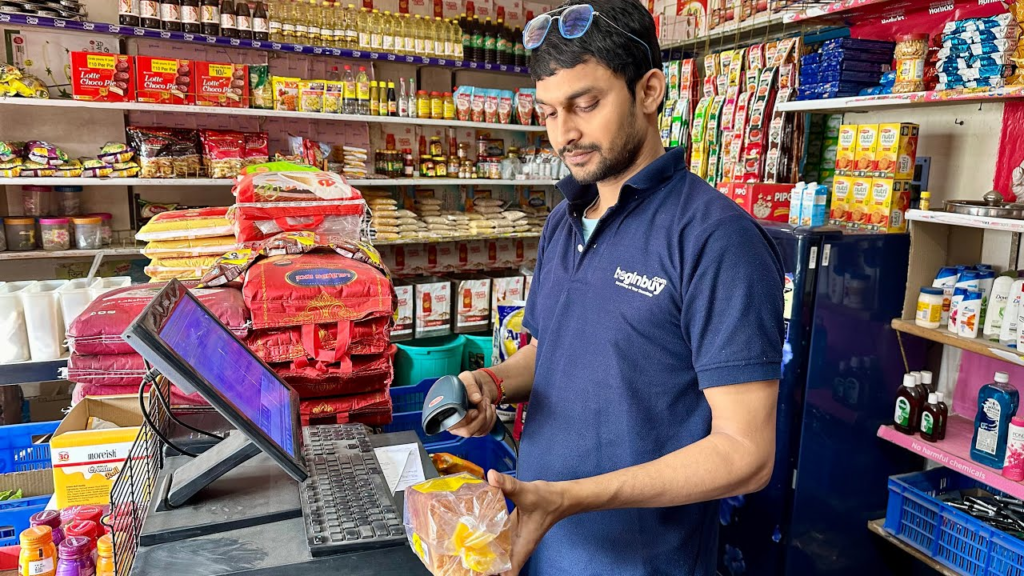
As kiranas transform to meet changing consumer expectations, they could evolve into community hubs that blend traditional service with modern convenience, offering everything from groceries to financial services.
To address the growing influence of quick commerce, companies like Zepto are also rethinking their structure. For instance, Zepto is currently planning to shift its headquarters to India from Singapore, aiming to be recognized as a majority Indian-owned company.
This change could potentially bring quick commerce companies under local regulations, potentially leveling the playing field for kiranas.