
The recent dispute involving the Kirkwood School District in Missouri highlights an increasingly prevalent national tension around education, parental rights, and the inclusion of LGBTQ+ perspectives in public school curricula. The situation arose after students at North Kirkwood Middle School were shown a short video acknowledging LGBTQ+ History Month, prompting a conservative legal advocacy group to accuse the district of violating constitutional rights.
The Thomas More Society, acting on behalf of parents organized under the name Kirkwood for Educational Integrity, argued that the school had failed to notify families who may object to such content for religious reasons and therefore infringed on the First Amendment protections related to directing a child’s upbringing.
The district has responded by stating it intends to comply with all legal requirements while maintaining its commitment to supporting all students. This conflict reflects broader national debates that have intensified following federal guidance aiming to limit LGBTQ+ inclusivity in educational materials in states receiving federal funds.
Legal Claims and Parental Rights Concerns
The Thomas More Society’s letter to the school district relied heavily on the argument that parents possess a constitutional right to guide the moral and religious development of their children. The conservative law firm cited Mahmoud v. Taylor, a recent Supreme Court decision that affirmed parental authority in matters related to children’s religious upbringing. According to the letter, the school district’s failure to notify families or provide an opt-out opportunity prevented parents from exercising that right.
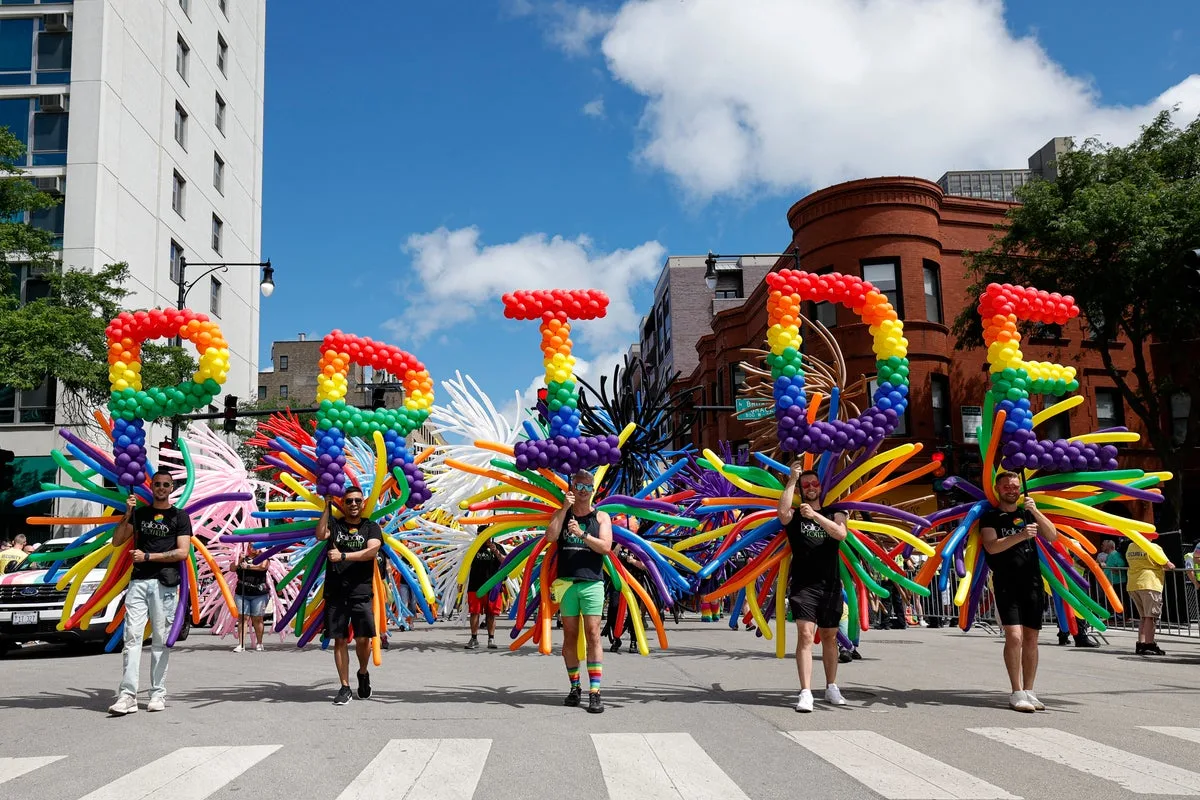
The video in question was six minutes long and narrated by students, explaining the origin and purpose of LGBTQ+ History Month, and showing images of Pride parades, rainbow flags, and posters celebrating LGBTQ+ identity. The narration described Pride as a celebration of individuality, belonging, and historical struggle, emphasizing the significance of recognizing communities that have faced discrimination.
The letter from the Thomas More Society characterized these images and statements as inherently ideological and therefore inappropriate for compulsory viewing without parental consent. The group specifically objected to language describing the LGBTQ+ community as “a supportive family” and Pride as something to feel “proud” of, arguing that these phrases promoted values that conflicted with the religious beliefs held by many families.
Read : Who Is Cherry Vann Who Becomes UK’s First Female and LGBTQ+ Archbishop?
The organization requested that the district immediately stop sharing the video and institute policies guaranteeing parental notification before similar materials are used in the future. The claim rests on the premise that any positive acknowledgment of LGBTQ+ identity constitutes not merely representation but advocacy, and therefore crosses into a domain where parents must retain authority to restrict exposure.
Read : Understanding Rainbow Tourism: Celebrating Diversity in Travel
The school district has not yet formally responded beyond stating that it is reviewing the concerns. Kirkwood School District chief communications officer Steph Deidrick emphasized that the district seeks to follow the law while ensuring all students feel supported and seen. The matter is likely to prompt further internal administrative review, and possibly policy revision, depending on legal counsel and community feedback.
Educational Content, Representation, and Dispute Over Interpretation
The disagreement over the video reflects a broader national divide about how LGBTQ+ history and identity should be addressed in public education. Supporters of inclusive curricula often argue that acknowledging the existence and history of LGBTQ+ communities is essential to fostering a safe and accepting learning environment, especially for students who may themselves identify as LGBTQ+. They maintain that representation helps reduce stigma, bullying, and social isolation.
To them, videos like the one shown at North Kirkwood Middle School are not ideological but rather informational, contextualizing a part of American history and culture. Opponents, including groups like the Thomas More Society, frame such materials as moral or ideological instruction that conflicts with traditional beliefs about sexuality and identity. In this view, public acknowledgment, especially when presented without parental notification, becomes an infringement on religious freedom.
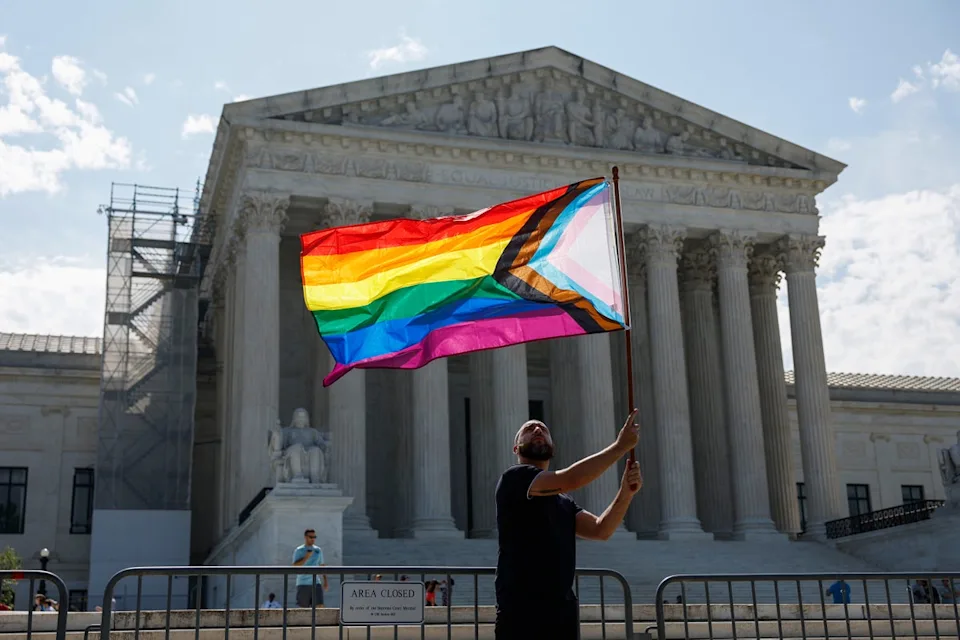
Their argument often emphasizes the distinction between teaching history as a neutral fact and presenting messages that implicitly encourage acceptance of identities or lifestyles that they consider incompatible with their beliefs. The controversy surrounding the Kirkwood video specifically hinges on whether the content can be classified as descriptive or normative. The framing of LGBTQ+ History Month itself adds complexity. The observance celebrates significant figures and events in LGBTQ+ rights movements, including protests, legal battles, and cultural milestones.
Critics often argue that such celebrations inherently promote a particular worldview, while supporters assert that acknowledging historical contributions is part of providing a comprehensive educational experience. The language used in the North Kirkwood Middle School video, such as describing Pride events as celebrations of authenticity and community, ultimately became a focal point for disagreement, with one side seeing affirmation and the other seeing indoctrination.
This dispute further illustrates how representation is often interpreted differently depending on existing beliefs. For some families, acknowledgment of LGBTQ+ history constitutes necessary visibility for marginalized communities. For others, it crosses a boundary into shaping values they believe should remain under parental discretion.
Broader Political Context and Emerging Federal Influences
The conflict did not emerge in isolation but rather against the backdrop of recent federal developments. Since Donald Trump’s return to the White House, the administration has moved to limit what it identifies as “gender ideology” in public education. In August, federal officials informed 40 states that they could not use federally funded sexual education materials that included LGBTQ+ content without risking the loss of financial support.
Read : 19-Year-Old Lester Bamacajeronimo Arrested for Vandalizing LGBTQ Symbol in San Francisco
The Acting Assistant Health and Human Services Secretary stated that federal dollars would not be used to “advance dangerous ideological agendas.” This federal pressure has influenced state and district-level policy debates, especially regarding opt-out procedures, curriculum review processes, and parental notification protocols.
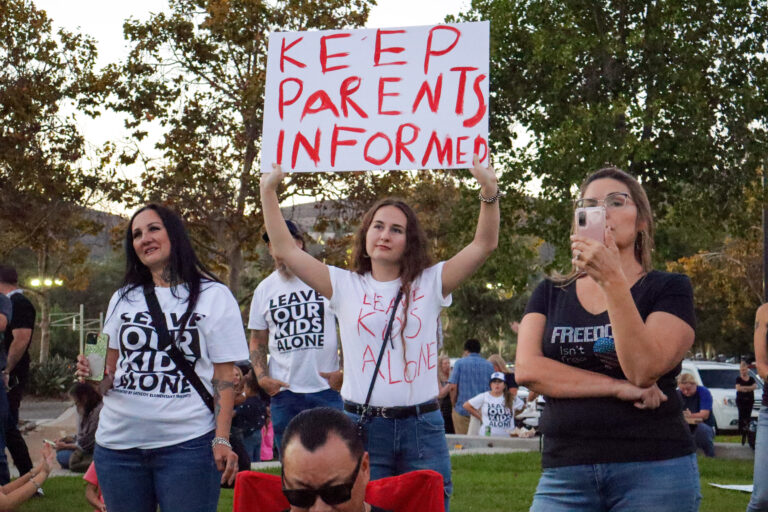
The Trump administration’s position emphasizes a binary definition of biological sex and challenges educational approaches that acknowledge gender diversity or LGBTQ+ identity as part of student welfare and inclusivity efforts. As a result, schools, especially in politically contested regions, are increasingly encountering disputes similar to the one affecting the Kirkwood School District.
These national dynamics create conditions where local educational decisions can quickly escalate into legal disputes supported by advocacy organizations on either side. The availability of legal support means parental disagreements are now more likely to become formal complaints, especially when they involve questions of constitutional interpretation. Schools, in response, must balance the risk of litigation, state requirements, federal funding conditions, and their own stated commitments to student support.
In the case of North Kirkwood Middle School, the district now faces a situation where it must evaluate not only the legal arguments presented by the Thomas More Society but also the broader implications for school climate, student identity, and community trust. The response the district ultimately provides may serve as a reference point for other districts navigating similar concerns.
The situation underscores the ongoing debate about how public schools should approach diverse identities and histories in curricula, how parental rights should be balanced with the needs of a diverse student body, and how federal policy shifts shape what is considered acceptable or required in classrooms across the United States.