
The Taliban’s latest directive underscores their continued efforts to impose stringent restrictions on women and their visibility in Afghan society.
With the latest order, Afghanistan’s rulers have mandated windowless kitchens and similar measures to block areas used by women from public view, citing concerns about “obscene acts.” This development represents another stark reminder of the oppressive governance enforced since their return to power.
The New Directive and Its Implications
In a statement issued on December 28, 2024, the Taliban government outlined their directive prohibiting windows that allow visibility into private spaces typically used by women.
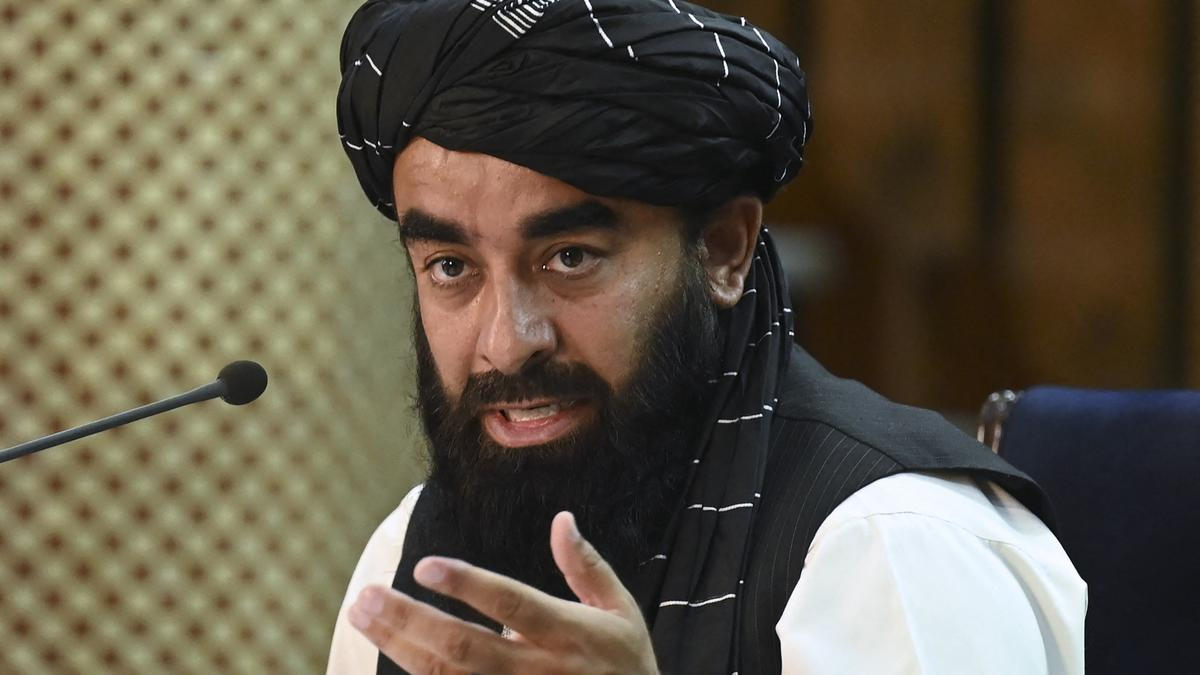
The statement specifically named kitchens, courtyards, and communal wells as areas where women might be seen performing household tasks. Taliban spokesperson Zabihullah Mujahid elaborated on the reasoning, claiming that the sight of women in such spaces could lead to “obscene acts.”
The Taliban issued an order prohibiting windows in residential buildings that overlook areas commonly used by women, such as kitchens, courtyards, and communal wells.
According to the directive, both new constructions and existing buildings are targeted. Owners of properties with such windows are being “encouraged” to seal them to align with the new regulations.
Read : Pakistani Strike Destroyed Seven Villages in Afghanistan
Taliban spokesperson Zabihullah Mujahid justified the measure by claiming that visibility into spaces where women perform everyday tasks, such as cooking or collecting water, could lead to “obscene acts.”
This announcement reflects the Taliban’s deeply conservative interpretation of social behavior and their commitment to restricting women’s public presence.
To enforce compliance, municipal and other relevant authorities have been tasked with overseeing construction sites, ensuring that new buildings meet the requirements.
The broader implication of this directive is not just architectural—it symbolizes a systematic effort to further marginalize women and confine their roles to private, obscured spaces.
The Broader Context of Taliban Restrictions on Women
Since regaining control of Afghanistan in 2021, the Taliban has consistently rolled out decrees aimed at curtailing women’s freedoms. From barring women from higher education and most forms of employment to imposing strict dress codes and travel restrictions, the regime has sought to erase women’s visibility in public life.
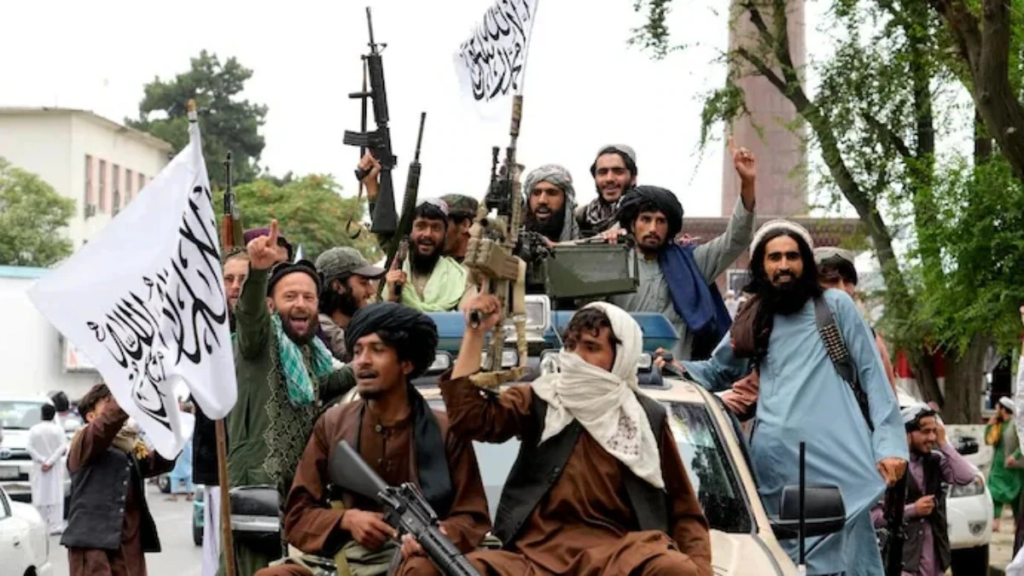
This latest mandate fits into a broader narrative of relegating women to private spaces, where their presence is neither seen nor acknowledged. The ban on windowed kitchens may appear trivial on the surface, but it signifies a deliberate strategy to strip women of autonomy and limit their engagement with the outside world.
The Taliban’s actions have drawn widespread condemnation from international organizations, human rights groups, and foreign governments. Critics argue that these policies not only violate fundamental human rights but also deepen Afghanistan’s humanitarian crisis, as half the population is systematically excluded from participating in society.
The Social and Psychological Impact on Afghan Women
The implications of the Taliban’s latest directive extend far beyond architecture. The physical barriers being erected symbolize the psychological and emotional toll on Afghan women, who are increasingly confined to invisible roles within their own homes.
Preventing women from being seen, even while performing basic household tasks, sends a message that their existence is something to be hidden or controlled. Such policies can lead to feelings of isolation, reduced self-worth, and mental health challenges, exacerbating an already dire situation for many women in Afghanistan.
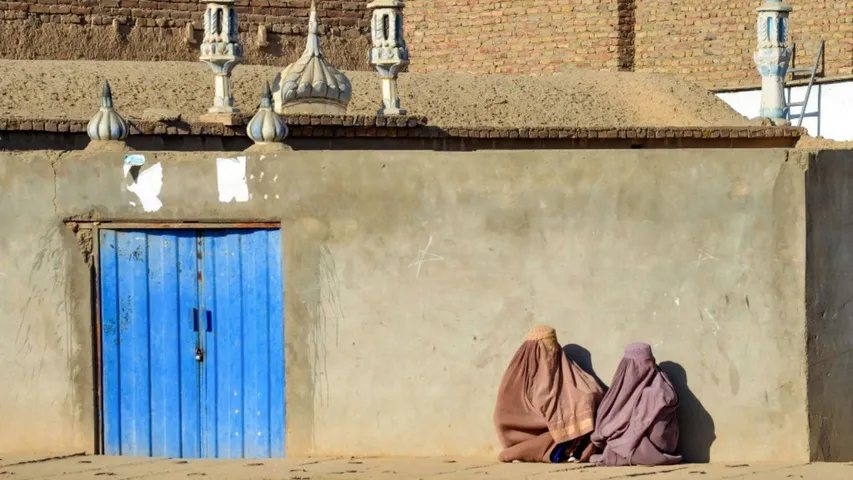
Moreover, these restrictions can erode the sense of community traditionally found in Afghan society, where shared spaces like communal wells have historically fostered social bonds. By discouraging visibility and interaction, the Taliban’s policies risk fragmenting communities and undermining the social fabric of the nation.
The international community continues to grapple with how best to respond to the Taliban’s policies. Sanctions and diplomatic isolation have been employed, but their effectiveness remains limited.
Advocates stress the need for sustained pressure and support for Afghan women, emphasizing that their voices must remain central to any efforts aimed at addressing the situation.