
A disturbing animal abuse case in North Texas has drawn national attention after federal authorities indicted a dog breeder accused of severe neglect, deception, and cruelty. The case centers on Kristine Michelle Hicks, a 51-year-old breeder from Cumby in Hopkins County, whose operations allegedly concealed a grim reality behind online advertisements promoting healthy, well-trained German shepherds.
What began as online concern following the circulation of a graphic video quickly escalated into a federal investigation that uncovered widespread animal suffering and alleged fraud. The indictment outlines a pattern of misconduct that raises serious questions about oversight, ethics, and accountability in the dog breeding industry.
A Video That Sparked a Federal Investigation
The case first came to light in December 2025 when a video surfaced online allegedly showing Kristine Michelle Hicks tying a German shepherd to a tree before shooting the animal multiple times. The footage spread rapidly across social media platforms, prompting outrage and calls for investigation. Authorities were alerted soon after, and the video became a central piece of evidence that led to further scrutiny of Hicks’ breeding operation.
While the video itself was deeply disturbing, it also raised broader concerns about the treatment of animals on the property. Law enforcement officials moved forward with an inquiry that extended beyond the incident captured on camera. The investigation soon revealed that the alleged act was not an isolated event but potentially part of a larger pattern of abuse and neglect. Federal authorities became involved as evidence pointed toward violations that went beyond local jurisdiction, including possible fraud and unlicensed commercial activity.
By January 2026, investigators had obtained a search warrant for the property. What they discovered during the search significantly intensified the case against Hicks. The conditions in which the dogs were found suggested systemic neglect rather than a one-time lapse in care. The video, while shocking on its own, ultimately served as the catalyst that exposed a much broader and deeply troubling situation.
Conditions Revealed: Neglect, Disease, and Starvation
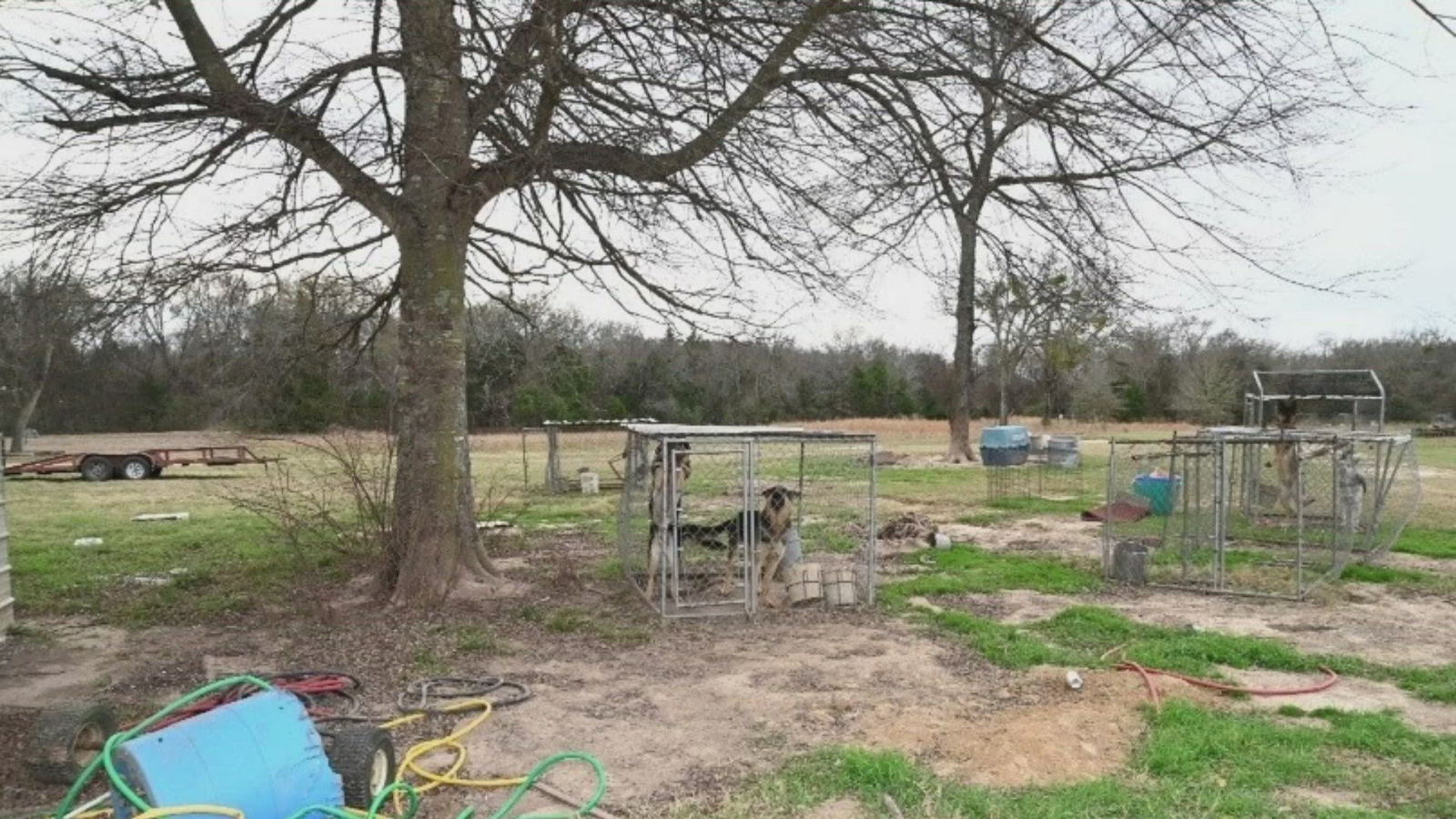
During the search of Hicks’ property, authorities seized approximately 88 German shepherds. According to official reports, many of the animals were living in extremely poor conditions that posed serious risks to their health and survival. Investigators described mud-filled pens, inadequate shelter, and food containers that were either empty or filled with contaminated substances. Water sources were reportedly dirty, and in some cases, not accessible to the animals at all.
Veterinary assessments conducted after the seizure painted a bleak picture. Many of the dogs were found to be severely underweight, with an average body condition score of 2.6 out of 9, indicating near-emaciation. Several animals had visible open wounds, while others were suffering from untreated infections and infestations of parasites. The presence of feces on the animals and throughout their living spaces further highlighted the lack of basic sanitation and care.
Read : Astonishing! 7 Stolen Village Dogs Escape Meat Truck Walk 17km Back to Owners
The scale of neglect suggested that the operation had been functioning under these conditions for an extended period. Authorities noted that the animals required immediate medical attention, and many were transported to facilities where they could receive urgent care. The findings underscored the seriousness of the charges and reinforced concerns about the welfare of animals in unregulated or improperly monitored breeding operations.
Read : 2 Cities Record Over 50°C Temperature, 7 Places Record More Than 49°C: IMD
These conditions stood in stark contrast to the claims allegedly made by Hicks in her business dealings. The discrepancy between the advertised standards and the reality uncovered by investigators became a key component of the legal case, particularly in relation to the fraud charges.
Allegations of Fraud and Unlicensed Breeding Practices
In addition to animal cruelty concerns, the indictment accuses Hicks of operating as an unlicensed animal dealer and engaging in wire fraud. According to prosecutors, Hicks ran a dog breeding business known as “Giant German Shepherds” from June 2024 through December 2025 without obtaining the required federal license. This license is typically mandated for breeders who sell animals commercially, particularly across state lines or through online platforms.
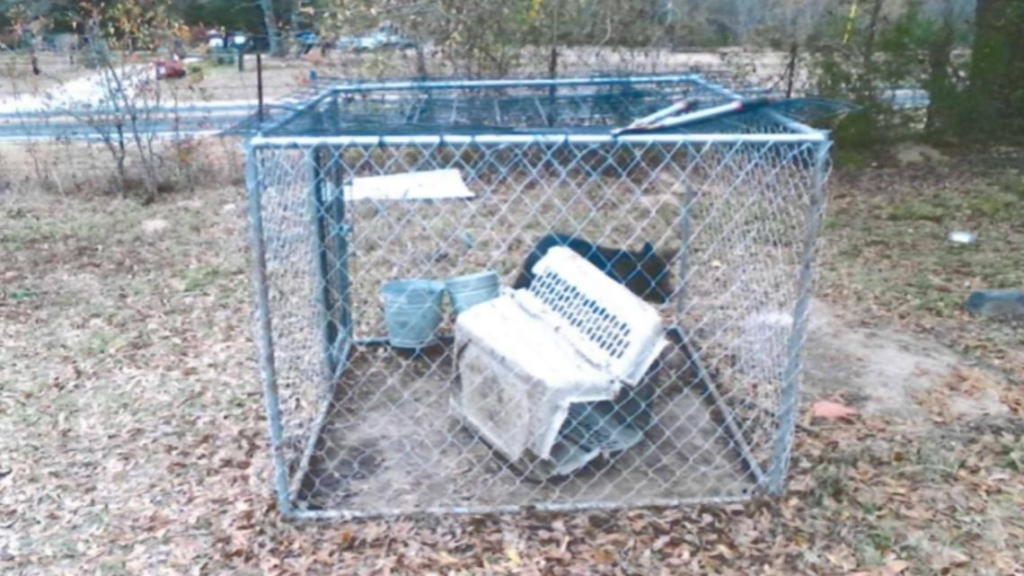
Authorities allege that Hicks used online listings and social media to market her dogs as healthy, purebred German shepherds that were suitable for service work. These claims, according to the indictment, were misleading and did not reflect the actual condition or training of the animals. Buyers were reportedly led to believe they were purchasing well-cared-for, professionally bred dogs, when in reality many of the animals were suffering from serious health issues.
The wire fraud charges stem from the use of electronic communications to facilitate these alleged misrepresentations. Each count corresponds to instances in which buyers were deceived through digital platforms, resulting in financial transactions based on false claims. Prosecutors argue that this pattern of behavior demonstrates intentional deception rather than mere negligence.
The combination of fraud and animal welfare violations places the case within federal jurisdiction, significantly increasing the potential legal consequences. If convicted, Hicks could face substantial penalties, including fines and imprisonment. The case also highlights the risks faced by consumers in the absence of transparent and enforceable standards within certain segments of the pet breeding industry.
The indictment marks a significant step in holding individuals accountable for both the treatment of animals and the integrity of commercial practices. As the legal process unfolds, the case is likely to draw continued attention from both animal welfare advocates and regulatory authorities, emphasizing the need for stricter oversight and enforcement in the breeding and sale of animals.