
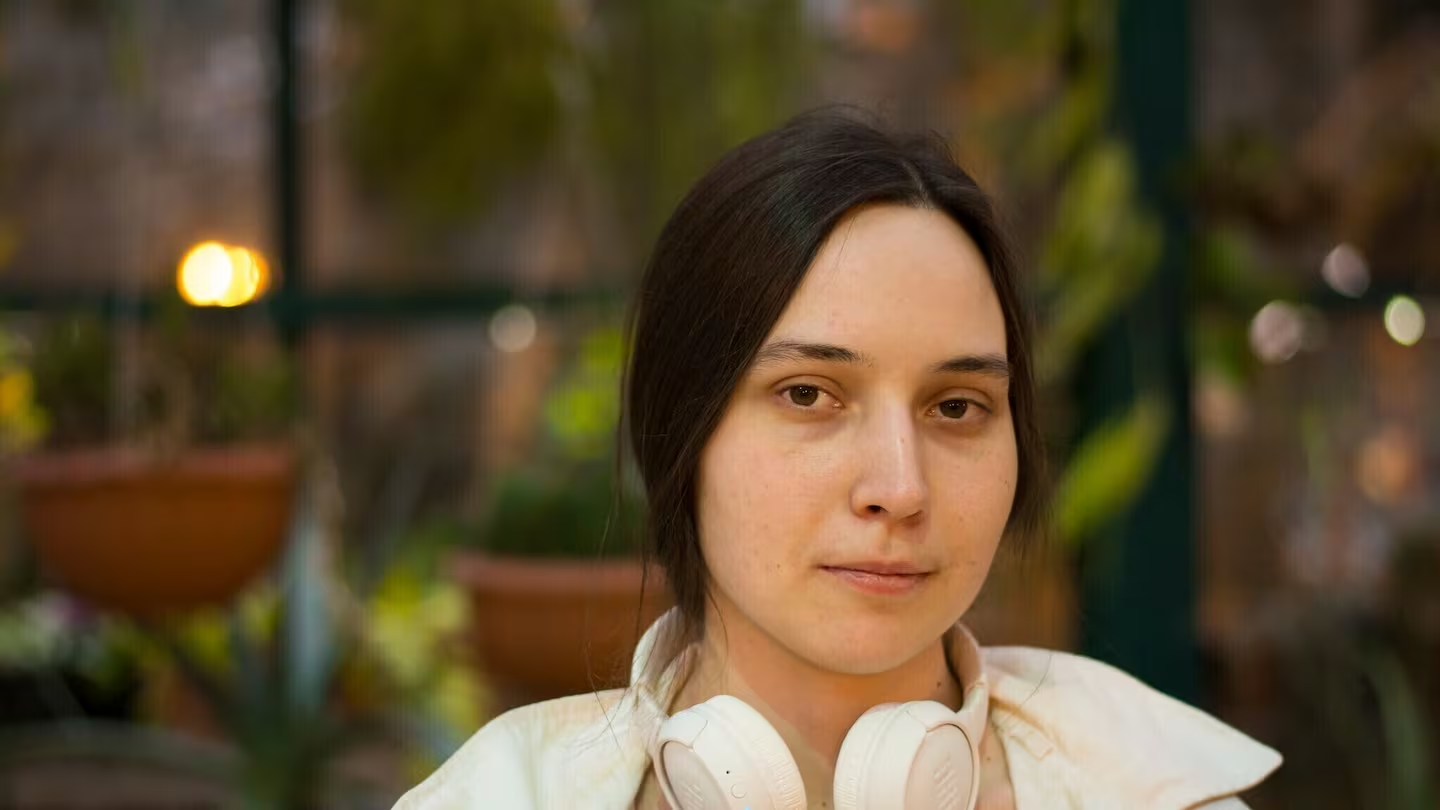
Kseniia Petrova, a Russian scientist and research associate at Harvard Medical School, has found herself at the center of a complex and controversial case following her detention by U.S. immigration authorities.
Arrested in February 2025 at Boston Logan International Airport, Petrova faces charges of smuggling frog embryos into the United States, an offense that could lead to severe penalties, including up to 20 years in prison and fines of $250,000.
Her story, detailed in a poignant New York Times op-ed and various news reports, weaves together themes of scientific ambition, political persecution, and the challenges faced by non-citizen academics in the United States.
A Scientist’s Journey from Russia to Harvard
Kseniia Petrova’s path to Harvard Medical School was marked by both intellectual brilliance and personal courage. Originally from Russia, Petrova established herself as a promising scientist with a focus on aging and the chemical composition of cells. Her research, which she described as potentially paving the way for treatments for diseases like Alzheimer’s and cancer, was conducted with a passion for advancing human health.
Kseniia Petrova’s supervisor at Harvard, Leon Peshkin, praised her as “spectacular,” noting that she was the most exceptional researcher he had encountered in his 20 years at the institution. This glowing endorsement underscores the significance of her contributions to the scientific community.
Petrova’s decision to leave Russia was driven by more than academic ambition. She fled her home country after being arrested for protesting against Russia’s invasion of Ukraine, a bold act of defiance that reflected her opposition to the policies of President Vladimir Putin.
In her New York Times op-ed, Petrova recounted how her arrest in Russia prompted her to seek refuge in the United States, where she found “a paradise for science” at Harvard in 2023. Her outspoken political views, including Facebook posts advocating for Putin’s impeachment, made her a target for persecution in Russia, and she now fears deportation back to a country where her safety could be at risk.
Read : Six Russian Tourists Killed After Submarine Sinks off Near Egyptian Resort City of Hurghada
At Harvard, Petrova thrived in an environment that fostered cutting-edge research. Her work on cellular chemistry and aging was poised to make significant contributions to medical science, and her presence in the lab was deemed essential by her colleagues.
Read : Russian Vodka: A Toast to Tradition, Heritage, and Craftsmanship
However, her promising career was abruptly disrupted when she was detained by U.S. Immigration and Customs Enforcement (ICE) upon attempting to re-enter the country in February 2025. The allegations against her—smuggling frog embryos—have cast a shadow over her achievements and raised questions about the treatment of foreign scientists in the United States.
The Smuggling Charges and Detention Experience
The smuggling charges against Kseniia Petrova stem from her alleged failure to declare frog embryos she was carrying when she arrived at Boston Logan International Airport. According to a May 14, 2025, press release from the U.S.
District Attorney’s Office in Massachusetts, text messages obtained by authorities suggest that Petrova was aware of the requirement to declare the embryos but failed to do so. The charges carry significant penalties, including a potential 20-year prison sentence and fines up to $250,000.
However, Petrova’s lawyer, Gregory Romanovsky, has dismissed the case as “meritless,” arguing that the timing of the charges—filed three months after the alleged customs violation—suggests an attempt to justify her detention and expedite her deportation.
Following her arrest, Petrova was transferred to a detention facility in Louisiana, where she has spent the past three months. Her op-ed in the New York Times provides a vivid account of her experience in detention, highlighting the emotional and professional toll of her ordeal.
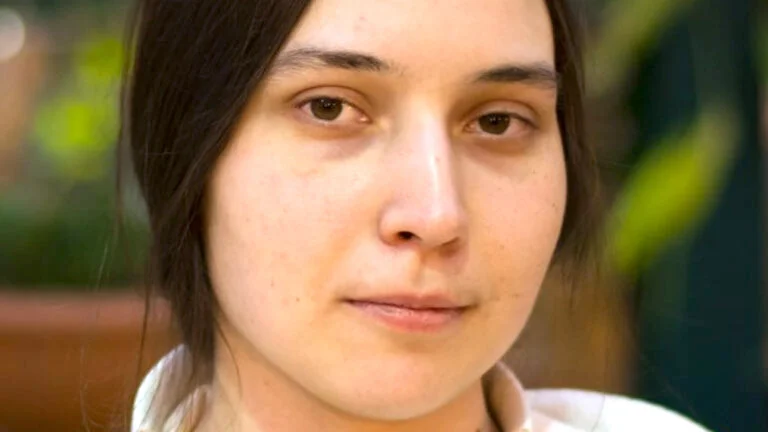
She described meeting other detainees with compelling stories, including a fiancé of an American citizen awaiting a court date and a woman deported despite having a daughter with legal status in the U.S. These encounters underscore the human cost of immigration detention and the uncertainty faced by those caught in the system.
Petrova’s detention has also had a direct impact on her research. She noted that her colleagues at Harvard have been unable to continue their work without her, as her expertise and ongoing analyses are critical to their progress.
The halt in her lab’s research represents a loss not only for Petrova but also for the broader scientific community, which stands to benefit from her contributions to understanding aging and disease.
The timing of Petrova’s transfer to criminal custody has raised suspicions among her supporters. Romanovsky pointed out that the charges were filed shortly after a judge scheduled a bail hearing for May 28, 2025, to consider releasing her.
This development has led to speculation that the smuggling charges are being used to portray Petrova as a criminal and undermine her case for release. The intersection of immigration policy, criminal law, and scientific research in Petrova’s case highlights the complexities faced by non-citizen academics navigating the U.S. legal system.
Broader Implications and the Plight of Non-Citizen Academics
Petrova’s case is not an isolated incident but part of a broader pattern of challenges faced by non-citizen academics in the United States, particularly under the policies of the Trump administration. Numerous scholars have been arrested or threatened with deportation, often for reasons that appear to be politically motivated.
Unlike some of her counterparts, Petrova has not been accused of protesting against Israel’s actions in Gaza, a common trigger for academic detentions. Instead, her case seems to hinge on her Russian background and her political activism, raising questions about whether her detention is linked to her outspoken criticism of the Russian government.
The fear of deportation weighs heavily on Petrova, who has expressed concerns about returning to Russia due to her political stances. Her arrest for protesting the Ukraine war and her public calls for Putin’s impeachment make her a potential target for retaliation if she is forced to return.
This fear is compounded by the uncertainty of her legal situation in the U.S., where the smuggling charges and her immigration status could lead to prolonged detention or removal from the country.
Petrova’s story also sheds light on the broader immigration detention system in the United States. Her descriptions of fellow detainees—individuals with deep ties to the U.S. who face separation from loved ones—highlight the human toll of current immigration policies.
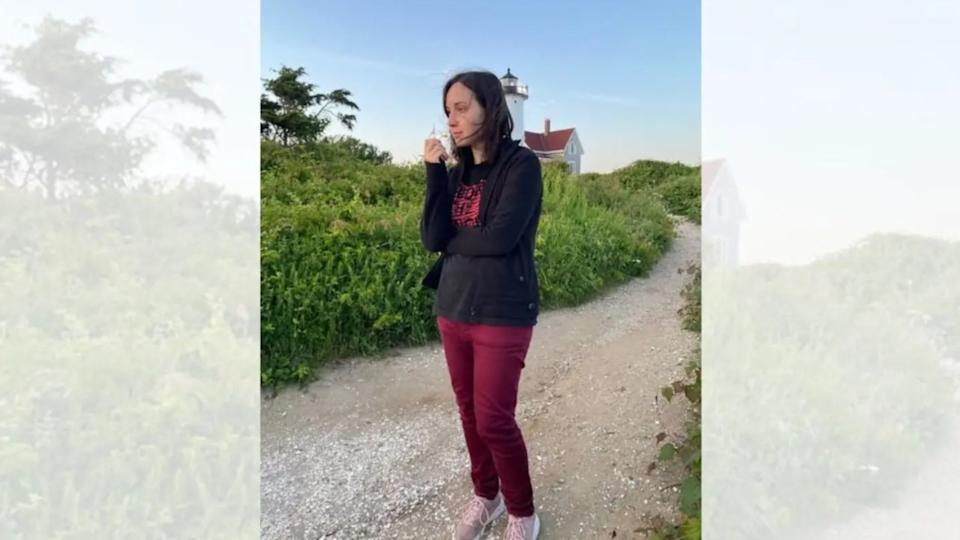
The Louisiana facility where she is held is just one of many centers where detainees await hearings, often in limbo for months or years. Petrova’s ability to share her story through the New York Times has brought attention to these issues, but her case is emblematic of the challenges faced by countless others who lack a public platform.
For the scientific community, Petrova’s detention represents a loss of talent and potential. Her research on aging and cellular chemistry has the potential to yield breakthroughs in the treatment of debilitating diseases, yet her absence from the lab has stalled progress.
This situation underscores the importance of protecting academic freedom and ensuring that scientists, regardless of their nationality, can contribute to global knowledge without fear of persecution or arbitrary detention.
As Petrova awaits her bail hearing on May 28, 2025, her case continues to draw attention from advocates for immigration reform and academic freedom. Her hope, as expressed in her op-ed, is to return to her lab and complete the data analysis she left unfinished. For Petrova, the lab represents not only a place of work but also a sanctuary where she can pursue her passion for science and contribute to a better future.
Kseniia Petrova’s story is one of resilience, talent, and the intersection of science and politics. A brilliant researcher who found refuge in the United States, she now faces an uncertain future due to smuggling charges and the threat of deportation. Her detention highlights the challenges faced by non-citizen academics and the broader human cost of immigration policies.
As her case unfolds, it serves as a reminder of the need to balance national security with the protection of individual rights and the advancement of scientific discovery. Petrova’s hope to return to her lab and continue her work is a powerful testament to her dedication, and her story calls for a renewed commitment to supporting scholars who contribute to the global pursuit of knowledge.