
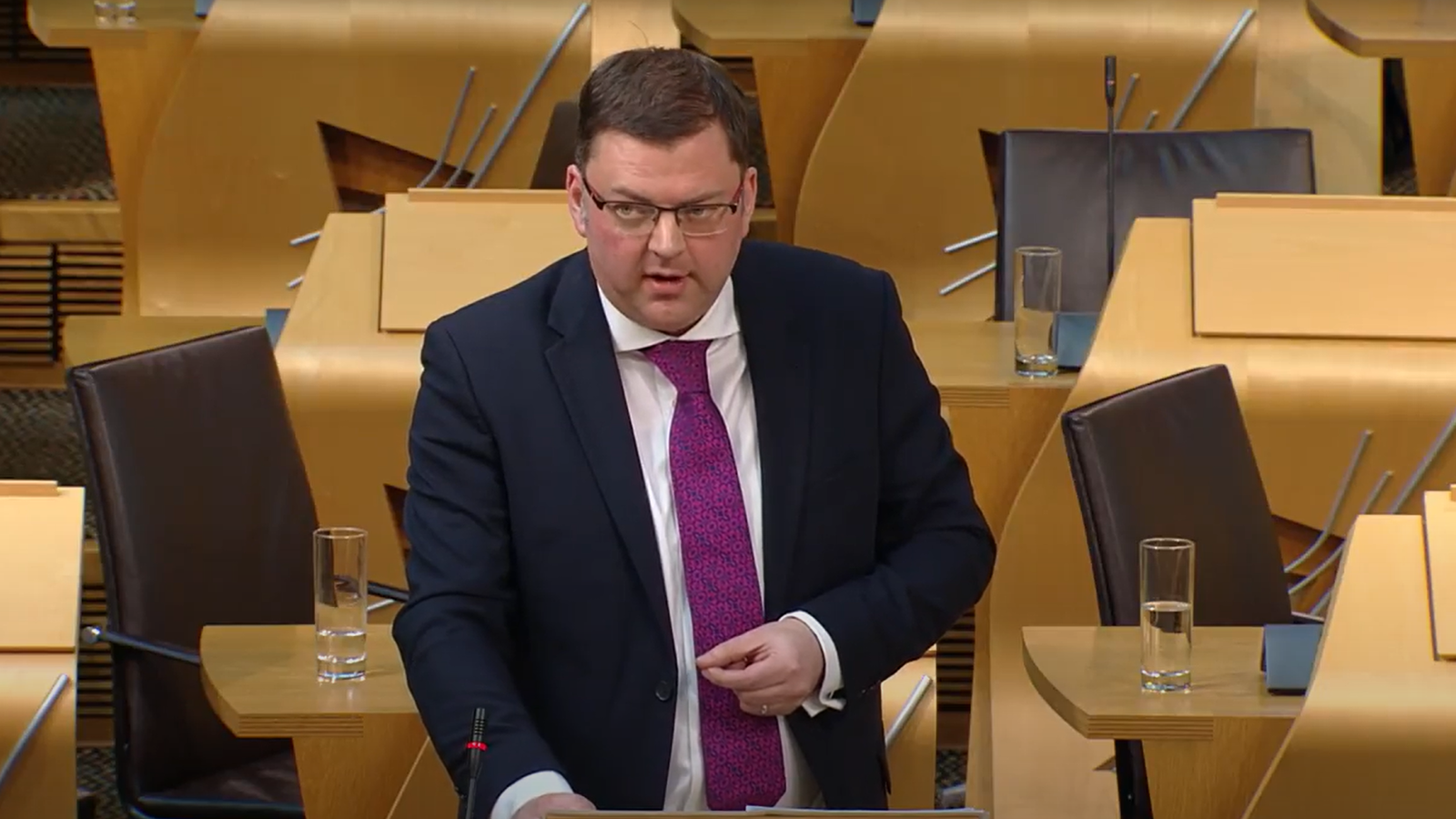
On August 29, 2025, a disturbing scandal rocked the Scottish Parliament as Labour MSP Colin Smyth faced charges related to allegations of placing a secret camera in the toilets of the Holyrood building. This accusation follows his earlier suspension from the Scottish Labour Party in connection with separate charges involving possession of indecent images.
The allegations have triggered widespread shock and outrage, raising critical questions about privacy, security, and ethical conduct within one of Scotland’s most prominent political institutions. Colin Smyth, a 52-year-old MSP representing South Scotland, has denied the accusations concerning the secret camera, describing them as an “utter shock” and pledging full cooperation with Police Scotland’s investigation.
Background of the Case and Colin Smyth’s Political Career
Colin Smyth has been a notable figure in Scottish politics since his election as an MSP for South Scotland in 2016. Prior to his parliamentary role, Smyth served as a councillor for Dumfries & Galloway and worked as a modern studies teacher, bringing a background in education and local governance to his political career.
Known for his advocacy on rural issues, transport, and social justice, Smyth has been a visible member of the Scottish Labour Party, often engaging in debates on regional development and public services. His tenure, however, has now been overshadowed by serious allegations that threaten to derail his political career and reputation. The current controversy stems from reports that a secret camera was discovered in a toilet facility within the Scottish Parliament building in Holyrood. The discovery prompted an immediate investigation by Police Scotland, who subsequently charged Smyth in connection with the incident.
While specific details about the camera’s placement, such as its exact location within the parliament or the nature of the footage it may have captured, remain undisclosed due to the ongoing investigation, the allegations have raised alarm about potential breaches of privacy within a highly secure public institution. Smyth’s earlier suspension from the Labour Party, linked to charges of possessing indecent images, has further intensified scrutiny, though the two cases are being treated as separate matters by authorities.
"An MSP has been accused of placing a secret camera at a toilet at the Scottish Parliament. Colin Smyth was suspended by the Labour Party earlier this month after he was separately charged…" Interesting Framing of story 🤔No mention of Sarwar, no chasing comments @msm_monitor pic.twitter.com/hmAldZofxU
— ScotlandForever (@curlowurly) August 29, 2025
Smyth issued a public statement on August 29, 2025, expressing his shock at the accusations related to the secret camera. He emphasized his commitment to cooperating fully with the police and maintained his innocence, stating, “These allegations are an utter shock to me, and I categorically deny any wrongdoing in this matter.” Despite his defense, the gravity of the charges has led to significant public and political backlash, with calls for transparency and accountability dominating discussions.
Response from Authorities and the Scottish Parliament
The Scottish Parliament and Police Scotland have acted swiftly in response to the allegations. Upon discovery of the secret camera, parliamentary officials initiated a thorough security review to assess potential vulnerabilities within the Holyrood building. The parliament’s presiding officer issued a statement acknowledging the seriousness of the incident and reassuring the public that immediate steps were being taken to ensure the safety and privacy of all individuals within the facility.
Enhanced security measures, including additional checks of public and private areas, have reportedly been implemented to prevent similar incidents in the future. Police Scotland confirmed that a 52-year-old man, identified as Colin Smyth, was charged in connection with the placement of the camera.
Read : Horror! Annabelle Doll Missing From Hotel Room Where Paranormal Investigator Dan Rivera Found Dead
The investigation remains active, with officers working to establish the full circumstances surrounding the incident. A spokesperson for Police Scotland stated, “We are conducting a thorough investigation into the allegations, and a report will be submitted to the Procurator Fiscal.” Due to the sensitive nature of the case, authorities have refrained from releasing further details, including the type of camera used or the duration it may have been operational.

The Scottish Labour Party responded promptly by suspending Smyth pending the outcome of the investigation. A party spokesperson expressed disappointment and emphasized that the allegations were being treated with the utmost seriousness. The suspension marks a continuation of Smyth’s earlier removal from party activities following the indecent images charges, signaling Labour’s intent to distance itself from the controversy while legal proceedings unfold.
Political opponents, including representatives from the Scottish National Party (SNP) and Scottish Conservatives, have called for a transparent investigation, with some urging the parliament to review its safeguarding policies to prevent future breaches of trust.
Public reaction has been one of dismay, with many expressing concern over the violation of privacy in a space meant to uphold democratic values. The incident has sparked debates about the adequacy of security protocols within the Scottish Parliament and the mechanisms in place to vet and monitor elected officials. Advocacy groups focused on privacy rights have called for stricter regulations on surveillance and harsher penalties for those found guilty of such violations.
Broader Implications for Scottish Politics
The allegations against Colin Smyth have far-reaching implications for the Scottish Parliament and the broader political landscape. The discovery of a secret camera within the Holyrood building undermines public trust in an institution that serves as the cornerstone of Scotland’s devolved government.
The parliament, designed to symbolize transparency and accessibility, now faces scrutiny over its ability to protect the privacy and safety of its members, staff, and visitors. The incident has prompted calls for a comprehensive review of security practices, including the potential installation of advanced detection systems to prevent unauthorized surveillance.
For the Scottish Labour Party, the scandal poses a significant challenge. Already grappling with internal divisions and the need to rebuild electoral support, the party now faces the task of managing the fallout from one of its prominent members being implicated in two separate criminal investigations. The timing of the allegations is particularly damaging, as Labour seeks to position itself as a credible alternative to the governing SNP ahead of future elections.
Party leaders will need to navigate the crisis carefully, balancing the need to uphold ethical standards with the legal principle of presumed innocence until proven guilty. The case also raises broader questions about the culture and accountability within political institutions. Allegations of misconduct by elected officials, particularly those involving breaches of privacy or trust, erode public confidence in the political process.

Commentators have noted that the Smyth case could fuel demands for greater oversight of MSPs, including mandatory training on ethical conduct and stricter background checks. Some have suggested that the parliament consider implementing regular audits of its facilities to detect and deter unauthorized surveillance devices.
Furthermore, the incident highlights the vulnerabilities associated with modern technology. The ease with which small, discreet cameras can be installed in private spaces underscores the need for robust countermeasures to protect individuals from invasive surveillance. This is particularly critical in environments like the Scottish Parliament, where sensitive discussions and decision-making processes occur daily. The scandal may prompt lawmakers to revisit legislation surrounding privacy laws and the misuse of recording devices, potentially leading to tougher penalties for offenders.
As the investigation progresses, the focus will remain on Colin Smyth’s legal proceedings and the evidence presented in court. The outcome of the case will likely have a lasting impact on his political career and the reputation of the Scottish Labour Party. For now, the allegations have cast a shadow over Holyrood, serving as a stark reminder of the importance of vigilance, accountability, and trust in public office.
In conclusion, the charges against Labour MSP Colin Smyth over a secret camera placed in the toilets of the Scottish Parliament represent a significant and troubling development in Scottish politics. The case has exposed vulnerabilities within the Holyrood building, prompted a swift response from authorities, and sparked a broader conversation about privacy and ethical conduct.
As Police Scotland continues its investigation, the public awaits answers, hoping for clarity and justice in a matter that has shaken the foundations of Scotland’s democratic institution. The coming weeks will be critical in determining the full scope of the allegations and their impact on both Smyth and the political landscape he has long served.