

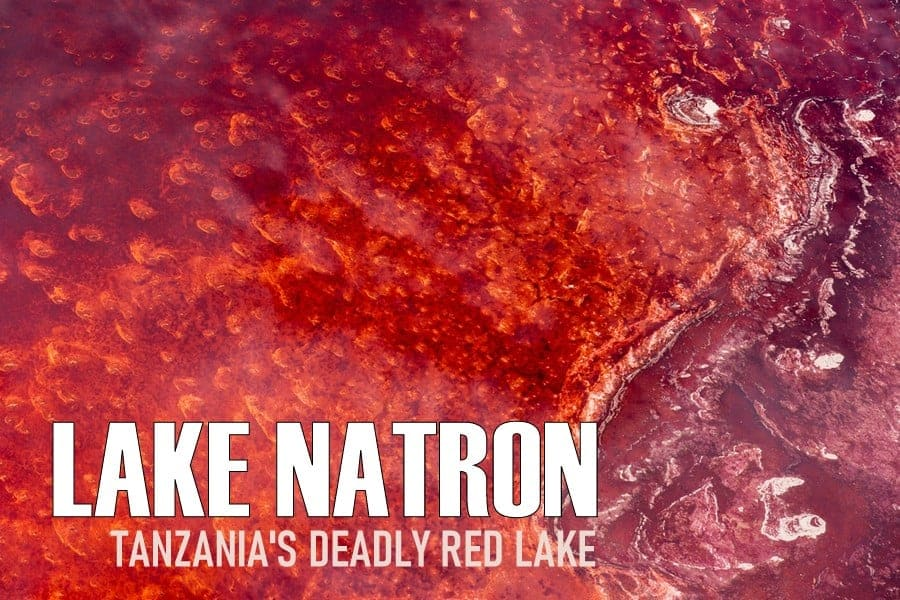
Lake Natron, located in northern Tanzania, is one of the most mysterious and fascinating lakes in the world. Known for its deep reddish-pink hue and eerie reputation, the lake has long intrigued scientists, photographers, and travelers alike.
Some believe that any creature that comes into contact with its waters turns into stone, an idea fueled by haunting images of calcified animals found along its shores. While this belief is not entirely true, Lake Natron does possess unique and deadly properties that make it one of the most inhospitable bodies of water on Earth.
The Deadly Waters of Lake Natron
The striking pinkish-red color of Lake Natron comes from cyanobacteria, a type of algae that thrives in its highly alkaline waters. The lake is rich in minerals, particularly sodium carbonate, which plays a crucial role in its unusual properties.
The water’s pH levels can reach as high as 10.5, making it nearly as caustic as ammonia. This extreme alkalinity is a result of the lake’s proximity to the active Ol Doinyo Lengai volcano, which deposits volcanic ash filled with minerals into the water.
The lake poses a severe threat to most wildlife that comes in contact with it. If an animal or bird drinks the lake’s water, the cyanobacteria release a chemical that damages their cells, nervous system, and liver, often leading to death.
Additionally, the high sodium carbonate content acts as a natural preservative, similar to the substances used in ancient Egyptian mummification. As a result, dead animals in Lake Natron are often found calcified, giving them the appearance of being turned into stone.
Read : Safari Dreams: Exploring the Top Places in Tanzania
Despite these harsh conditions, certain life forms have adapted to survive in and around the lake. Bacteria known as haloarchaea thrive in the extreme environment, and a small fish species called Alcolapia latilabris has evolved to withstand the lake’s high alkalinity. However, for most other creatures, Lake Natron remains a deadly trap.
The Mystery of the Calcified Carcasses
One of the most unsettling aspects of Lake Natron is the presence of calcified carcasses of birds and other small animals along its shores. These eerie figures, which look as though they have been instantly turned into stone, have led to myths and superstitions about the lake’s deadly nature. However, the truth behind this phenomenon is a fascinating scientific process rather than an instant petrification.
Read : Nine Die of Eye-Bleeding Disease in Tanzania
The sodium carbonate in the lake plays a significant role in preserving the bodies of animals that die in its waters. When an animal’s body is exposed to the lake’s mineral-rich environment, the high alkalinity and evaporation cause rapid desiccation.
Over time, the bodies become coated with a hard, chalky layer of minerals, giving them the appearance of being turned into stone. This process is similar to how the ancient Egyptians used sodium carbonate to mummify their dead.

Photographers have captured haunting images of these calcified creatures, sparking widespread curiosity and speculation about the lake. The work of photographer Nick Brandt, in particular, brought global attention to Lake Natron’s eerie landscape.
His images of lifeless birds and bats, preserved in a deathly stillness, further fueled the legend that anything touching the lake’s water is instantly petrified. While this is an exaggeration, the reality is no less haunting.
Lake Natron’s Unique Ecosystem
Despite its harsh and seemingly inhospitable conditions, Lake Natron is home to a surprisingly resilient ecosystem. One of the most notable inhabitants of the lake is the Lesser Flamingo (Phoeniconaias minor).
This bird species has uniquely adapted to Lake Natron’s extreme environment and relies on it for breeding. The flamingoes feed on the lake’s cyanobacteria, which produce the red and pink pigments that give the birds their signature coloration.
Each year, hundreds of thousands of Lesser Flamingoes gather at Lake Natron, making it the most important breeding site for this species in East Africa. The flamingoes build their nests on small, hardened islands formed by the lake’s mineral deposits.
The alkaline waters provide a natural barrier against predators, allowing the birds to raise their young in relative safety. However, changes in the lake’s water levels and increased human activity in the region pose significant threats to their habitat.
Apart from flamingoes, other resilient species have also found ways to survive in and around Lake Natron. The alkaline tilapia (Alcolapia latilabris) is one of the few fish species that can withstand the lake’s extreme conditions. Microorganisms like haloarchaea and various extremophile bacteria also thrive in the lake, contributing to its unique and vibrant ecosystem.
The Impact of Climate Change and Human Activity
Lake Natron’s fragile ecosystem is increasingly under threat due to climate change and human activities. The region receives very little rainfall, averaging just 400mm per year.
Much of this rain evaporates before it even reaches the ground, a phenomenon known as “phantom rain.” This extreme climate, combined with rising global temperatures, poses a serious challenge to the survival of species that depend on the lake.
Additionally, there have been proposals to construct hydroelectric dams and soda ash extraction plants in the region, which could drastically alter the lake’s delicate balance.
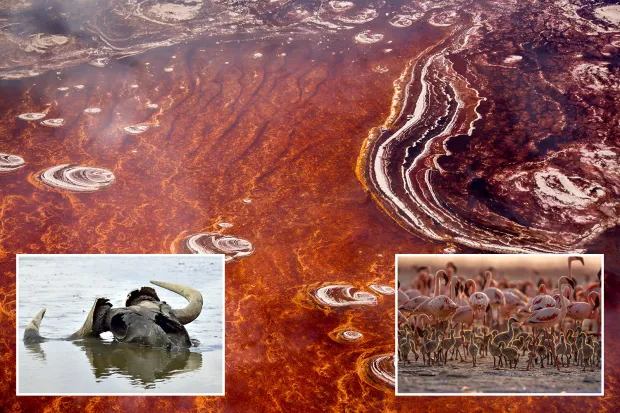
Environmentalists have raised concerns that such projects would disrupt the flamingo breeding grounds, leading to a decline in their population. Conservation efforts are underway to protect the lake and its inhabitants, but ongoing development pressures remain a significant challenge.
Despite its harsh and sometimes deadly reputation, Lake Natron remains a place of incredible natural beauty and scientific intrigue. Its vibrant red waters, haunting calcified remains, and unique ecosystem make it one of the most extraordinary natural wonders in the world.
However, as human activity continues to encroach upon this fragile landscape, the need for conservation and sustainable development becomes ever more urgent.
Lake Natron is more than just a lake where animals “turn to stone.” It is a complex and vital ecosystem that supports life in one of the most extreme environments on Earth.
Whether viewed through the lens of mythology, science, or conservation, it remains a place of wonder and mystery, reminding us of the delicate balance between nature’s beauty and its unforgiving power.