

The serene town of South Lake Tahoe in California is known for its breathtaking mountain views, vibrant outdoor activities, and tranquil lakeside charm. However, recent news has cast a shadow over this picturesque destination. Local authorities have confirmed that a resident of South Lake Tahoe has tested positive for plague. While cases of plague in humans are extremely rare in the United States, this development has understandably raised concerns among residents and visitors alike.
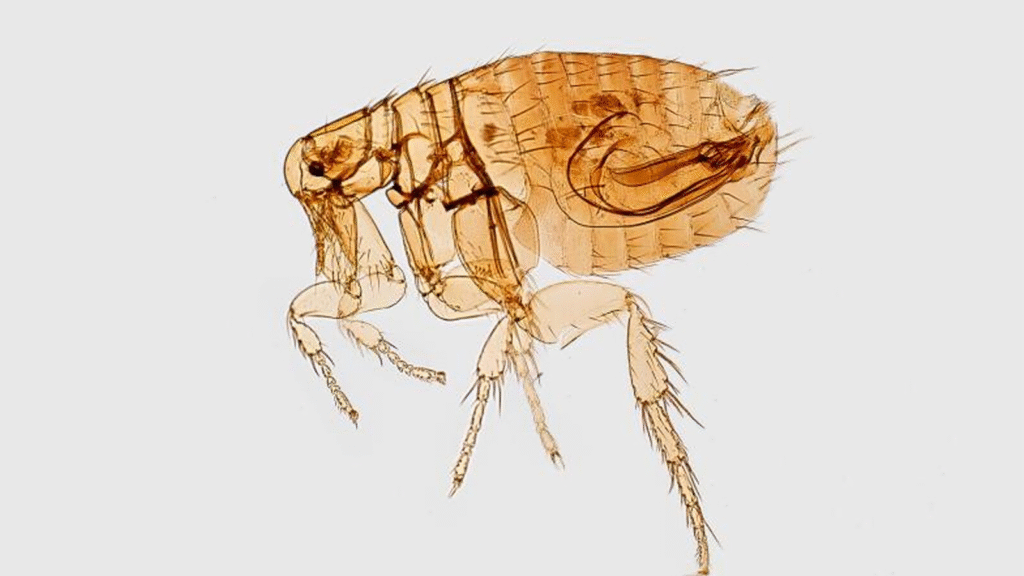
The individual is currently recovering at home under the supervision of a medical professional, and health officials are actively investigating the circumstances surrounding the infection. Plague, caused by the bacterium Yersinia pestis, is most commonly transmitted through the bites of fleas that have fed on infected rodents such as squirrels, chipmunks, and other wild animals.
Dogs and cats can also carry infected fleas into homes, increasing the potential risk of human exposure. Despite its rarity, the disease can be severe if not detected and treated promptly. Symptoms typically appear within two weeks of exposure and include fever, nausea, weakness, and swollen lymph nodes. When identified early, plague can be effectively treated with antibiotics, preventing serious complications.
Authorities stress the importance of taking preventive measures, especially for those spending time outdoors. Individuals are advised to avoid contact with wild rodents and to ensure that pets do not approach rodent burrows. This caution is particularly relevant in high-elevation areas like South Lake Tahoe, where plague is naturally present. Kyle Fliflet, El Dorado County’s acting director of public health, emphasized that precautions are essential for both humans and pets to reduce the risk of infection.
Historical Presence of Plague in California
The recent case in South Lake Tahoe is not an isolated incident. Plague has a long-standing presence in certain regions of California, particularly in higher-elevation areas where wild rodent populations are abundant. Surveillance data collected by the California Department of Public Health (CDPH) has shown that plague is naturally present in several parts of the state, and monitoring of rodent populations is a key component of public health efforts.
From 2021 to 2024, El Dorado County officials identified a total of 41 rodents showing evidence of exposure to Yersinia pestis. In 2025 alone, four rodents have already tested positive for the bacterium, all within the Tahoe Basin. These findings underscore the importance of ongoing surveillance and preventive measures to minimize human exposure.
The last confirmed human case in El Dorado County occurred in 2020, also linked to the South Lake Tahoe area. Prior to that, two cases were reported in 2015 after exposure in Yosemite National Park. Fortunately, all affected individuals in these instances received treatment and made a full recovery.
The recurring presence of plague in rodent populations highlights the necessity of public awareness and caution. While human cases are uncommon, they can have serious health consequences if not addressed promptly. Authorities continue to monitor these populations closely to anticipate potential risks and implement control measures when necessary.
Read : Health Officials in US Confirm First Human Case of Plague in Colorado
Health officials are urging residents and visitors to take proactive steps to protect themselves and their pets. Avoiding contact with wild rodents is crucial, as is preventing pets from approaching areas where rodent activity is evident. Fleas that have fed on infected animals can quickly transmit the bacterium to humans, making these precautions essential. Routine checks for fleas on pets and maintaining a clean living environment can significantly reduce the likelihood of infection.
The CDPH also emphasizes the importance of early recognition and treatment of plague symptoms. Fever, nausea, weakness, and swollen lymph nodes are key warning signs. Anyone experiencing these symptoms after potential exposure should seek medical attention immediately. With early diagnosis, antibiotics can effectively treat the infection and prevent severe complications. Public awareness campaigns and educational resources aim to ensure that residents understand the risks and necessary precautions.
Past responses to plague detections provide a blueprint for managing potential outbreaks. In 2021, the U.S. Forest Service temporarily closed several popular sites at Lake Tahoe after identifying plague in the local chipmunk population. Vector control teams conducted eradication treatments to minimize the spread of infected fleas, illustrating the importance of timely interventions. Such measures help reduce the risk of human exposure and maintain public safety.
Regional Context and Broader Implications
While the recent case in South Lake Tahoe is concerning, it is important to note that human cases of plague in the United States remain rare. According to the Centers for Disease Control and Prevention (CDC), an average of seven human plague cases occur each year, with most reported in the western states. Colorado, for example, confirmed a human case of plague last year, highlighting that this bacterium persists in certain regions across the country.
The western U.S., with its diverse ecosystems and abundant wildlife, provides an environment where plague can persist in natural rodent populations. High-elevation areas, forests, and mountainous regions are particularly prone to harboring the bacterium. These environmental factors, combined with recreational activities such as hiking, camping, and walking in natural areas, increase the potential for human exposure. As a result, public health initiatives focus not only on monitoring wildlife but also on educating the community about risk reduction and safe outdoor practices.
South Lake Tahoe, with its popularity as a recreational destination, requires heightened awareness. Tourists and residents alike should follow guidelines to minimize exposure, including avoiding rodent burrows, controlling fleas on pets, and maintaining awareness of local health advisories. Cooperation between public health authorities, wildlife management agencies, and the community is essential to effectively managing the risk of plague.
The recurrence of plague cases in both rodents and humans serves as a reminder of the ongoing interplay between wildlife and human populations. Effective surveillance, rapid response, and public education are the cornerstones of mitigating risk and ensuring public safety. Despite the rarity of human cases, preparedness and vigilance are vital, particularly in areas with known plague activity.
In conclusion, the case of a South Lake Tahoe resident testing positive for plague underscores the importance of awareness, preventive measures, and prompt medical attention. While plague is rare and treatable with early intervention, the presence of the bacterium in local rodent populations serves as a reminder that nature carries inherent risks.
Residents and visitors should exercise caution while enjoying outdoor activities, protect their pets from potential exposure, and remain informed about public health advisories. Ongoing surveillance, community education, and proactive measures are key to maintaining safety in areas where plague is naturally present. By understanding the risks and following recommended precautions, both locals and tourists can continue to enjoy the natural beauty of South Lake Tahoe while minimizing the chance of infection.