

Lamar CISD, located near Houston, Texas, has removed a lesson about Virginia from its elementary curriculum due to concerns over the depiction of nudity on the state’s flag.
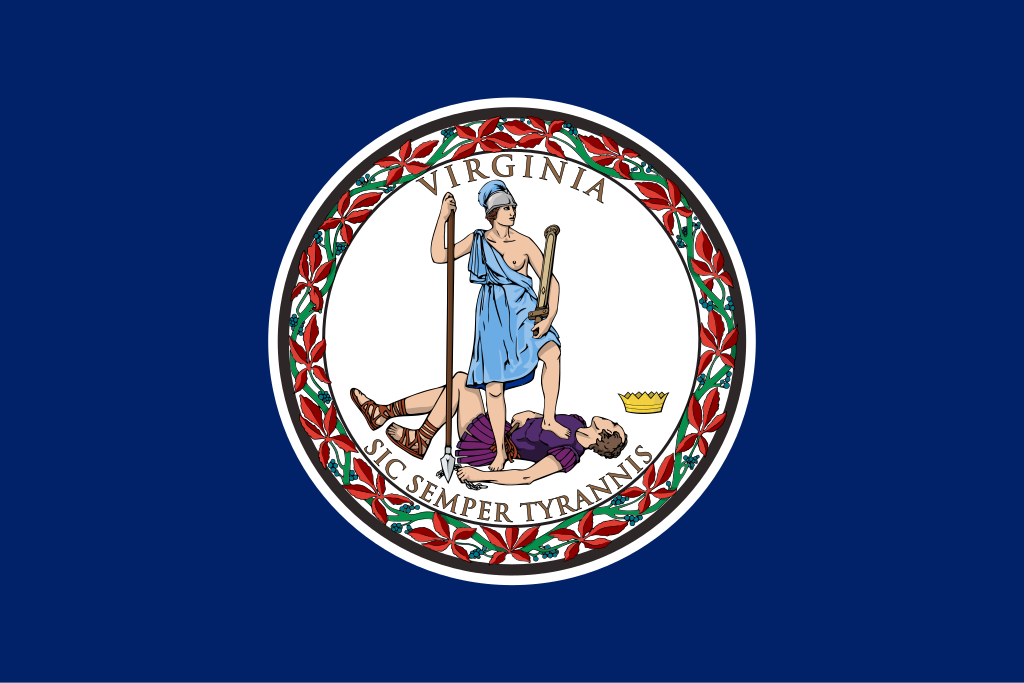
The flag, featuring the Roman goddess Virtus with an exposed breast, was deemed inappropriate for young students under the district’s policy banning “visual depictions or illustrations of frontal nudity” in elementary school materials. This decision has sparked debate about censorship, educational priorities, and the balance between cultural sensitivity and historical accuracy.
The Decision to Remove Virginia’s Lesson
Last fall, Lamar CISD(Consolidated Independent School District), which serves approximately 42,000 students across 47 campuses, pulled a section about Virginia from its online learning platform, PebbleGo Next, used by 3rd to 5th graders. The lesson included an image of Virginia’s state flag, which displays the Commonwealth’s seal.
The seal depicts Virtus, the Roman goddess of virtue, standing over a defeated tyrant, with one breast exposed in a classical artistic style. The district’s policy, enacted to restrict materials containing nudity in elementary libraries, was cited as the reason for the removal, according to information provided to Anne Russey, co-director of the Texas Freedom to Read Project, via a Freedom of Information Act request.
The decision stemmed from the district’s interpretation of its nudity ban, which defines nudity as “any portion thereof below the top of the nipple.” The image of Virtus, a symbol of Virginia’s revolutionary spirit since 1776, fell afoul of this rule due to its bare-breasted depiction.
PebbleGo Next’s lesson also included the state seal and explained that Virtus represents victory over tyranny, accompanied by the motto “Sic semper tyrannis” (“Thus always to tyrants”). Despite the historical and educational context, Lamar CISD opted to exclude the entire Virginia section rather than modify the lesson or address the flag’s imagery separately. The district did not respond to requests for further comment, leaving the rationale for such a broad removal unclear.
This move has raised questions about the scope of the district’s policy and its application. Critics argue that removing an entire state’s history from the curriculum over a single image prioritizes oversensitivity over education.
Read : 17-Year-Old Tracy Haynes Jr. Arrested for Shooting at Wilmer-Hutchins High School in Dallas
The Virginia flag, standardized in 1950, is the only U.S. state flag depicting nudity, a detail rooted in classical Roman iconography rather than modern notions of indecency.
The decision to erase the lesson suggests a lack of nuance in addressing historical symbols, prompting concerns about how other educational materials might be affected by similar policies.
Historical Context of Virginia’s Flag and Seal
Virginia’s state flag and seal, adopted in their current form in 1950 but originating in 1776, are steeped in revolutionary symbolism. Designed by a committee including George Mason and George Wythe, the seal was intended to distinguish the newly independent Commonwealth from British heraldry.
The figure of Virtus, modeled after Roman depictions of virtue, stands triumphant over a fallen tyrant, symbolizing Virginia’s defeat of British oppression. Her exposed breast, a common feature in classical art, reflects the Amazonian style and signifies strength and liberty, not sexual content. The motto “Sic semper tyrannis” underscores the rejection of tyranny, a message resonant with Virginia’s role in the American Revolution.

The seal’s design was refined in 1901 by Virginia’s Secretary of State, David Q. Eggleston, who argued that earlier versions lacked “artistic grace” and made Virtus appear too masculine. Eggleston’s revision emphasized the goddess’s femininity, including the exposed breast, to align with classical aesthetics.
Since then, the flag has been a proud symbol of Virginia’s heritage, displayed in schools, libraries, and government buildings. However, its nudity has occasionally sparked controversy. In 2010, Virginia Attorney General Ken Cuccinelli issued pins with a modified seal covering Virtus’s breast, a move widely criticized as censoring history for political optics.
Lamar CISD’s ban is not the first time the flag’s imagery has been questioned, but it is among the most drastic responses. By removing the entire Virginia lesson, the district has effectively sidelined a key piece of American history for its students.
This action contrasts with other districts, such as those in Virginia, where the flag is taught as a symbol of state pride without issue. The decision highlights a tension between local educational policies and the broader need to teach historical context, especially when symbols like Virtus carry meanings far removed from modern interpretations of nudity.
Broader Implications for Education and Censorship
The removal of Virginia’s lesson from Lamar CISD’s curriculum has ignited a broader conversation about censorship in education. The district’s nudity policy, intended to protect young students, appears to have been applied without consideration for the flag’s historical significance.
Critics, including the Texas Freedom to Read Project, argue that such blanket bans risk erasing important educational content under the guise of propriety. Anne Russey noted that the decision deprives students of learning about Virginia’s role in American history, from its founding fathers to its contributions to the Revolution.
The incident also reflects a growing trend of scrutinizing educational materials for content deemed inappropriate, often driven by parental concerns or local policies. In Texas, where book bans and curriculum restrictions have increased in recent years, Lamar CISD’s action aligns with efforts to limit exposure to certain themes, including nudity, sexuality, or controversial historical topics.
However, applying such policies to a state flag—especially one with no sexual intent—raises questions about overreach. Jessica Owens, a Virginia school board member, recently highlighted the absurdity of such interpretations, asking if books containing the Virginia flag would be removed from libraries under similar nudity definitions.
The ban has also drawn attention to the challenges of teaching history in a polarized climate. While Lamar CISD’s policy aims to maintain age-appropriate materials, it risks oversimplifying complex historical symbols. The Virginia flag’s depiction of Virtus is not a “nip slip” but a deliberate artistic choice rooted in centuries-old traditions.
Excluding it from the curriculum may shield students from a single image but denies them exposure to the broader narrative of American independence. Furthermore, the decision could set a precedent for other districts to remove content based on narrow interpretations of propriety, potentially affecting lessons on art, history, or cultural heritage.
Public reactions, as reported by outlets like Axios and Raw Story, range from bemusement to outrage. Some view the ban as a comical overreaction, while others see it as a troubling sign of prioritizing ideology over education.

In Belize, where the hijacking incident occurred, aviation security is under scrutiny, but Lamar CISD’s decision shows that educational policies can also face intense debate. Both cases illustrate how local decisions can have far-reaching implications, whether in classrooms or airports.
As Lamar CISD navigates the fallout, it must weigh the value of historical education against its commitment to restrictive policies, a balance that will shape what its students learn about the world.
Lamar CISD’s removal of Virginia’s lesson over the state flag’s depiction of nudity reflects a broader struggle to define appropriate educational content. The decision, driven by a policy banning frontal nudity, overlooks the historical and artistic significance of Virtus, a symbol of liberty since 1776.
While intended to protect students, the ban risks censoring history and limiting exposure to America’s revolutionary past. As debates over curriculum restrictions continue, the incident serves as a reminder of the need for nuanced approaches that respect both educational goals and cultural heritage.