
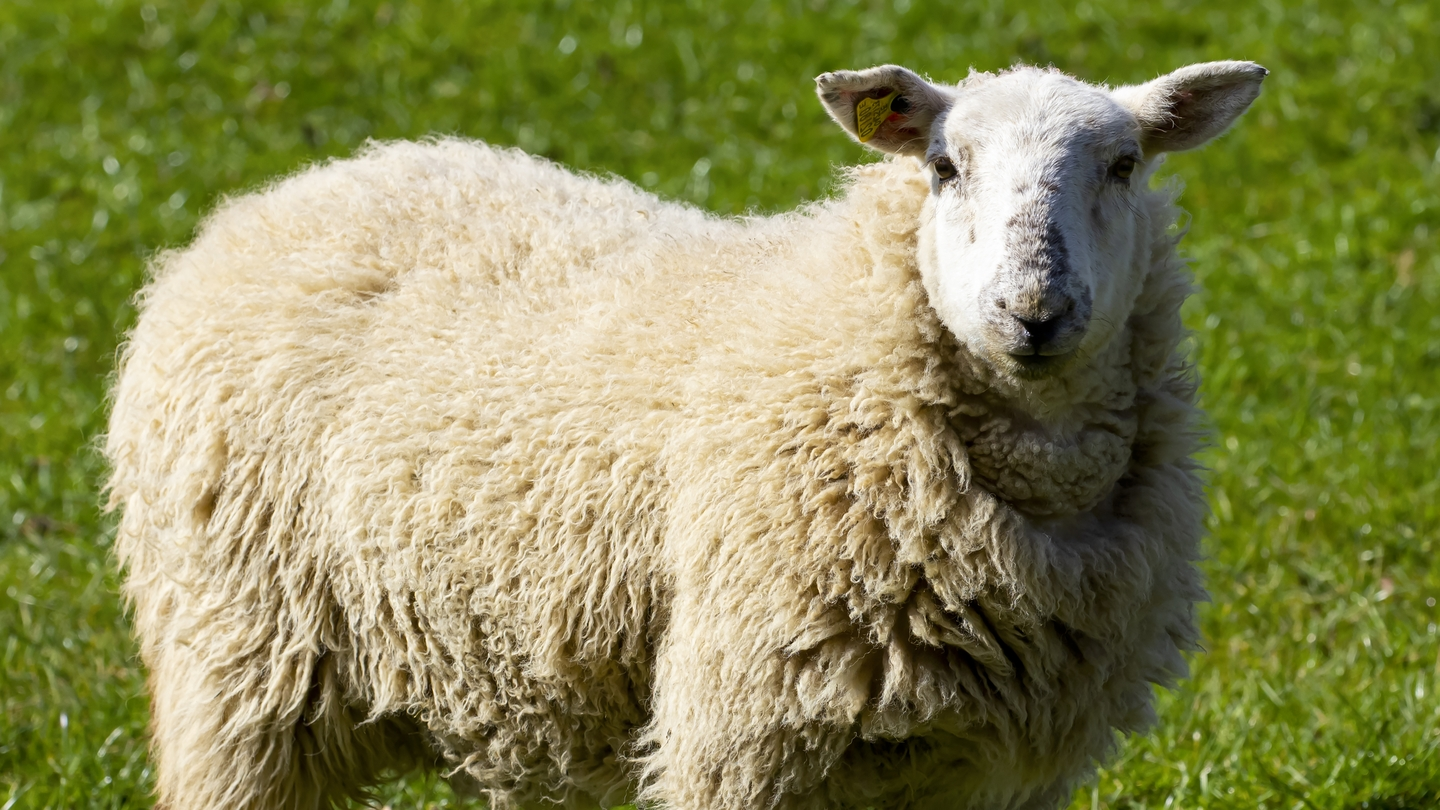
A sheep was found dead after a violent attack by a dog near Potteric Carr Nature Reserve in South Yorkshire, drawing renewed attention to the risks posed by uncontrolled pets around livestock and protected wildlife habitats. The animal had been grazing on land adjoining the reserve when it was believed to have been mauled on 5 March. Staff discovered the carcass the following morning, prompting a strong response from conservation officials who said the incident was both distressing and preventable.
The attack has intensified concerns among conservationists and land managers about the increasing number of incidents involving off-lead dogs entering areas where livestock and wildlife are present. Although nature reserves often attract visitors seeking outdoor recreation, the presence of grazing animals and sensitive ecosystems means that strict rules about responsible pet ownership are essential. Officials stressed that the area had clear signage warning visitors about livestock in the fields and instructing dog walkers to keep their pets on leads.
According to staff members, the discovery of the sheep underscored a persistent challenge faced by conservation organizations managing open landscapes that are accessible to the public. While nature reserves are valued spaces for walking, wildlife observation, and outdoor activity, they also serve as working conservation sites where animals and fragile habitats must be protected from disturbance. Incidents such as this highlight the tension between public access and wildlife protection, particularly when visitors fail to follow established guidelines.
The Incident at Potteric Carr
The attack occurred on grazing land next to the Potteric Carr Nature Reserve, where sheep had been placed as part of ongoing land management efforts. Conservation staff believe the sheep was attacked during the evening of 5 March while grazing in the field. The following morning, reserve personnel discovered the animal had been violently mauled, suggesting a sustained and aggressive encounter with a dog that had entered the field without restraint.
Officials expressed anger and frustration over the situation, noting that warnings about livestock in the area had been widely communicated to visitors. Signs had been installed around the reserve indicating that sheep were present in nearby fields, and dog owners were reminded that pets must remain on leads when walking through or near grazing areas. Despite these measures, the attack still occurred, raising questions about how effectively such guidance is being followed.
For conservation staff, the aftermath of such incidents involves more than the immediate emotional impact. Time must be spent documenting the event, coordinating with landowners, and addressing the welfare and safety of remaining livestock. The process can also require additional monitoring of grazing animals and reinforcement of public messaging about responsible behaviour within the reserve.
Read : Astronauts May Suffer Kidney Damage After the Trip to Mars
The trust responsible for managing the reserve said that situations like this are deeply distressing for staff members who work closely with the animals and habitats under their care. Beyond the emotional toll, such incidents divert attention and resources away from conservation projects that rely on limited funding and volunteer support. Every instance of livestock worrying or attack creates new demands on teams that are already balancing habitat management, wildlife monitoring, and public engagement.
A Pattern of Dog Attacks on Nature Reserves
The fatal mauling of the sheep is not an isolated case. Conservation officials reported that several incidents involving dogs attacking livestock or wildlife have occurred across nature reserves in the region over the past two years. These events have included dogs chasing pregnant ewes, disturbing flocks, and even attacking marine wildlife in coastal habitats.
In 2023, pregnant ewes were chased by dogs at two separate reserves, raising alarm among conservation staff who feared the stress could lead to injury, miscarriage, or other health complications for the animals. Livestock worrying, a term used to describe dogs chasing or attacking farm animals, can have serious consequences even when the animals are not physically injured. The stress caused by prolonged chasing can exhaust sheep, cause them to break through fencing, or separate mothers from lambs.
Read : Woman Mauled by 7 Dogs in Front of Howard Edward Hayes’ Home
Another incident involved a seal that was attacked along the coast, illustrating how off-lead dogs can affect a wide range of species beyond livestock. Marine mammals resting on beaches are particularly vulnerable because they rely on undisturbed shorelines to recover from feeding or migration. When dogs approach or attack them, the animals may suffer injuries or be forced back into the water prematurely.
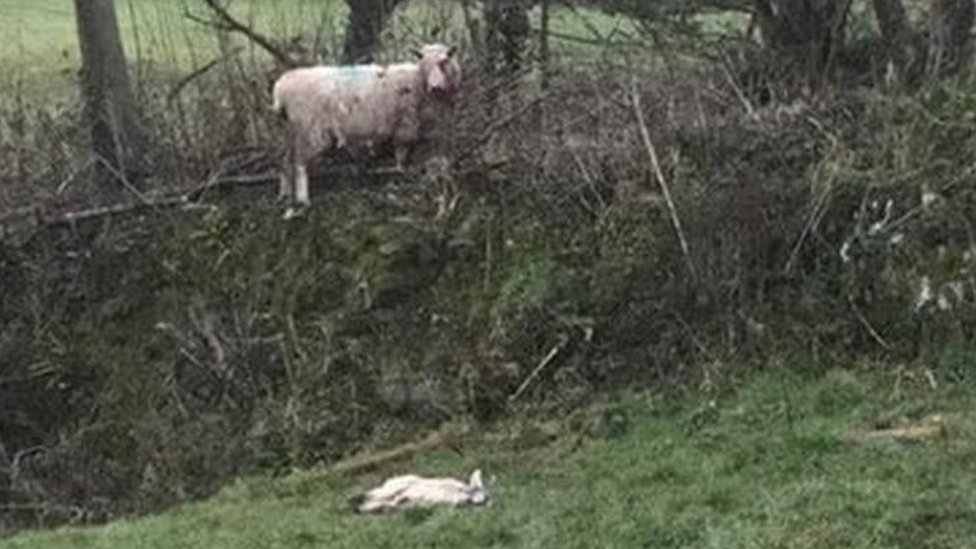
In addition to these past incidents, conservation staff reported multiple cases already this year involving off-lead dogs entering grazing areas. One particularly concerning situation involved a dog worrying a flock of sheep for an entire day at another reserve site. Such prolonged disturbance can cause severe stress to animals and may require intervention by staff to ensure the flock’s safety.
These repeated cases have heightened concern among reserve managers, who say the pattern demonstrates an ongoing challenge with compliance among dog owners. Despite efforts to raise awareness through signage, educational campaigns, and direct communication with visitors, some individuals continue to allow their pets to roam freely in areas where livestock or wildlife are present.
Landowners and conservation groups across the region have voiced similar frustrations. Livestock worrying has been reported in various rural locations throughout the country, often resulting in injured or killed animals and financial losses for farmers and conservation organizations alike. In many cases, the attacks occur suddenly and without witnesses, making it difficult to identify the dog responsible.
Impact on Wildlife and Conservation Work
The presence of uncontrolled dogs in nature reserves can affect ecosystems in several ways, extending far beyond the immediate harm caused to livestock. Ground-nesting birds, which rely on undisturbed habitats to incubate eggs and raise chicks, are particularly vulnerable to disturbance. Even brief disruptions can cause adult birds to abandon nests, leaving eggs exposed to predators or environmental conditions.
Dogs running through sensitive habitats may also trample vegetation and disturb wildlife that depends on specific environmental conditions. Wetland areas, grasslands, and coastal zones often host species that are highly sensitive to human or animal activity. Conservation groups invest significant effort in maintaining these habitats, and unexpected disturbances can undermine months or years of work.
Read : Virginia State Trooper Fatally Shoots Jared Llamado After He Stabbed Woman and His Own Dog to Death
Grazing animals such as sheep are frequently used as part of habitat management strategies in nature reserves. Their grazing patterns help control vegetation growth, maintain open landscapes, and support biodiversity by creating varied habitats for insects, birds, and small mammals. When these animals are attacked or frightened, the carefully balanced management plan can be disrupted.
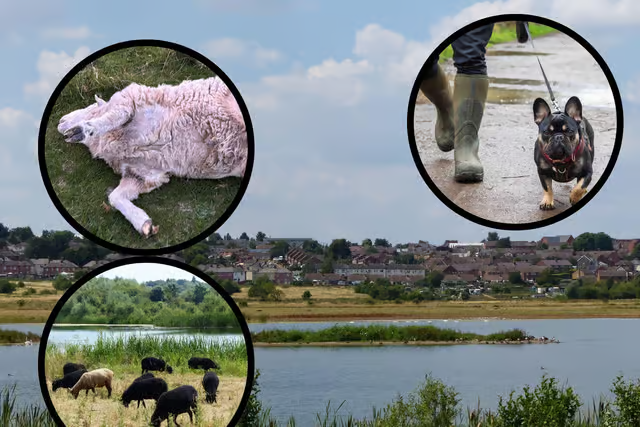
In addition to ecological consequences, there are also practical and financial impacts. Investigating incidents, repairing fences, replacing lost livestock, and implementing additional safety measures all require resources that might otherwise be directed toward conservation initiatives. Staff time must be diverted from tasks such as habitat restoration, species monitoring, and educational outreach.
Conservation organizations emphasize that most visitors respect the rules and understand the importance of protecting wildlife habitats. However, even a small number of irresponsible actions can have disproportionate consequences. A single dog attack can cause significant harm, particularly when livestock or vulnerable wildlife species are involved.
Officials continue to encourage dog owners to follow simple guidelines when visiting nature reserves. Keeping dogs on leads, staying on designated paths, and observing posted warnings are among the most effective ways to reduce the risk of incidents. These measures are designed not only to protect wildlife but also to ensure that visitors and their pets can continue enjoying natural landscapes safely.
Staff members also stress that many of the affected areas are working conservation environments rather than ordinary parks. Grazing livestock, nesting birds, and fragile ecosystems coexist within spaces that remain open to the public. Responsible behaviour from visitors plays a crucial role in ensuring that these environments remain protected while still accessible for recreation and education.
The discovery of the mauled sheep near Potteric Carr serves as another reminder of the responsibilities that come with visiting protected landscapes. Conservation groups say they will continue monitoring the situation and reinforcing public guidance in an effort to prevent similar incidents from occurring in the future.