
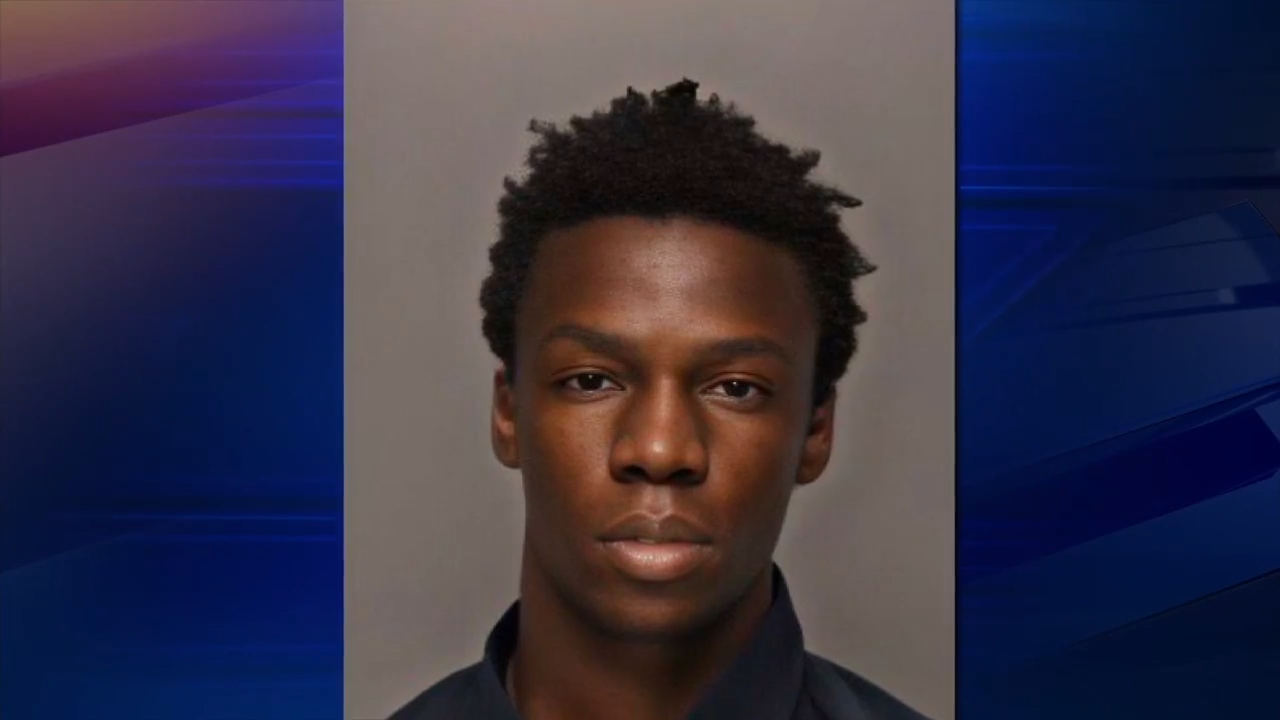
In a disturbing incident that highlights the dangers of firearms in the hands of minors and the volatility of family disputes, a 16-year-old teenager named Landon Lumpkin has been accused of shooting his 13-year-old stepbrother in Miami. The shooting, which stemmed from a seemingly trivial argument over clothing, has shocked the local community and raised questions about gun access, family dynamics, and the consequences of impulsive actions among youth.
This event unfolded on a Tuesday afternoon, leaving the younger boy injured but stable, and Landon Lumpkin facing serious criminal charges. As details emerge from police reports and court proceedings, the story serves as a stark reminder of how quickly everyday disagreements can escalate into life-altering tragedies.
The case has drawn attention due to its senseless nature—an argument over borrowed clothes leading to gunfire in a family home. Authorities have emphasized that while the shooting may not have been intentional, the presence of a stolen weapon in the household played a critical role in the outcome. Landon Lumpkin’s arrest followed swiftly after the incident, and he now navigates the juvenile justice system.
The Altercation That Led to Tragedy
The incident took place shortly after 4:30 p.m. on August 20, 2025, at the family’s residence near North Miami Avenue and 31st Street in Miami’s Wynwood neighborhood. According to police reports, the conflict began when the 13-year-old stepbrother returned home from school and discovered Landon wearing some of his clothes. This discovery sparked an immediate confrontation between the two boys, who shared a bedroom in the home they lived in with their mother.
Family disputes over personal belongings are not uncommon among siblings, but in this case, the argument quickly intensified. The younger boy, upset about his clothes being worn without permission, challenged Landon directly. In response, Landon allegedly retrieved a firearm—a .45 caliber Glock 21 handgun—and pointed it at his stepbrother. Police statements indicate that Landon’s intention was to intimidate or scare the younger boy rather than to cause harm. However, during this tense standoff, the gun discharged, sending a bullet into the 13-year-old’s left shoulder.
The sound of the gunshot echoed through the home, alerting the boys’ mother, who was in her bedroom at the time. She rushed to the scene and found her younger son wounded and in pain. Without hesitation, she transported him to Jackson Memorial Hospital’s Ryder Trauma Center, where medical professionals treated the shoulder injury. Fortunately, the wound was not life-threatening, and the boy was listed in stable condition shortly after arrival. Doctors expect him to recover physically, though the emotional scars from such an event could linger for years.
Investigators later learned that the mother was completely unaware that Landon possessed a firearm. This revelation added another layer of shock to the family, as it highlighted how secretly obtained weapons can infiltrate even the most ordinary households. The gun itself was confirmed to be stolen, having been reported missing from a vehicle burglary in Miami earlier. This detail underscores a growing concern in urban areas like Miami, where stolen firearms often end up in the wrong hands, contributing to accidental or impulsive shootings.
Eyewitness accounts from the family paint a picture of a typical sibling rivalry gone horribly wrong. The boys, despite being stepbrothers, had been living together under the same roof, navigating the challenges of blended family life. Arguments over clothes might seem minor to outsiders, but for teenagers establishing their identities and boundaries, such issues can feel profoundly personal.
In this instance, the presence of a deadly weapon transformed a verbal spat into a physical catastrophe. Police officers who responded to the scene noted the chaotic atmosphere, with the mother distraught and the injured boy requiring immediate medical attention. This altercation is not isolated in the broader context of youth violence.
Read : Miami Cop Fires on Driver While on the Hood of Moving Car Near Best of the Best Festival: Watch
Statistics from various law enforcement agencies show that disputes among family members, particularly involving adolescents, can escalate when firearms are accessible. In Florida, where gun laws allow for relatively easy access, incidents like this one prompt ongoing debates about safe storage and parental oversight. While the exact circumstances of how Landon acquired the stolen gun remain under investigation, it is clear that its availability was the pivotal factor in turning words into wounds.
Read : Woman Swallowed by 30-Foot Python in Indonesia: Husband Finds Her Legs Sticking Out of Its Mouth
The immediate response from emergency services was swift. Paramedics arrived at the hospital alongside the mother and son, ensuring the boy received prompt care. Meanwhile, back at the home, police began piecing together the events through interviews and evidence collection. The bedroom where the shooting occurred became a crime scene, with officers recovering the firearm and spent casing. These elements would later form the basis of the charges against Landon Lumpkin, emphasizing the legal ramifications of handling stolen property, especially when it leads to injury.
In reflecting on this section of the story, one cannot help but consider the fragility of family bonds under stress. What began as a routine day—school for one, perhaps leisure for the other—ended in trauma. The altercation serves as a cautionary tale about the importance of communication and conflict resolution skills in households with teenagers. Without these tools, minor grievances can spiral out of control, especially when dangerous elements like guns are introduced.
Investigation and Arrest
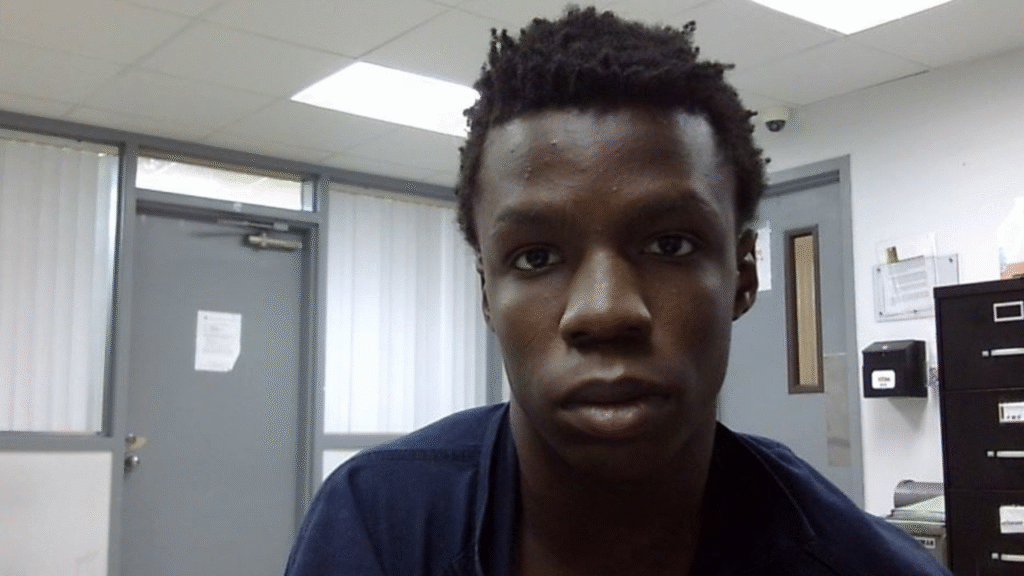
Following the shooting, City of Miami police launched a thorough investigation. Officers arrived at the scene shortly after the incident was reported, securing the area and interviewing witnesses, including the mother and Landon Lumpkin himself. Landon was taken to Miami Police Department headquarters, where he provided a statement in the presence of his mother. Although the details of his statement were redacted in the public arrest report, it is known that both parties involved claimed the discharge was accidental.
Detectives focused on several key aspects: the origin of the gun, the sequence of events leading to the shooting, and any prior history of conflicts between the stepbrothers. The firearm’s serial number confirmed it was stolen, leading to additional charges related to theft and possession.
Miami Police Officer Mike Vega, speaking on the matter, emphasized the mechanics of the incident: “Both parties say he didn’t intend to shoot his brother, but a gun does not go off by itself. Someone has to press the trigger in order for the bullet to come out of that gun.” This statement highlights the official stance that negligence or recklessness played a role, even if malice was absent.
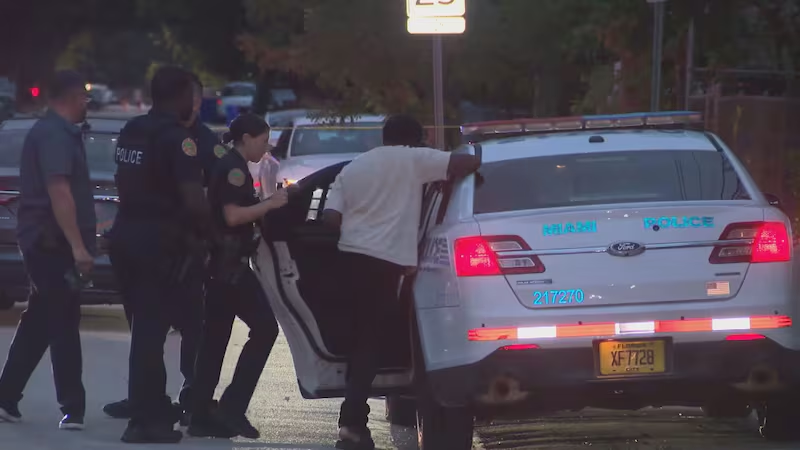
Landon Lumpkin was arrested on the evening of August 20, 2025, and charged with aggravated battery with a deadly weapon, possession of a firearm by a minor, and possession of a stolen firearm. These charges reflect the seriousness of the offense, combining elements of violence, illegal possession, and theft. As a juvenile, Landon was processed through the juvenile justice system, which often prioritizes rehabilitation over punishment for minors. He appeared in a juvenile courtroom the following day, August 21, where a judge reviewed the case and set a next hearing date for September 9, 2025.
The investigation also explored the family environment. The mother, who works to support the household, expressed shock at the events, reiterating that she had no knowledge of the gun. Social services may become involved to assess the home’s safety and provide support for the recovering victim. Police reports noted no prior calls to the address for domestic issues, suggesting this was an isolated escalation rather than a pattern of violence.
Forensic analysis of the scene corroborated the accounts provided. The bullet trajectory and positioning of the boys indicated a close-range discharge consistent with an attempt to intimidate rather than a deliberate aim to kill. However, under Florida law, pointing a firearm at someone constitutes aggravated assault, and the resulting injury elevates it to battery. The stolen nature of the gun adds a felony theft charge, complicating Landon Lumpkin’s legal situation.
Community law enforcement officials have used this case to advocate for greater awareness about gun safety. Campaigns in Miami often target parents, urging them to secure firearms and discuss the dangers with their children. The fact that the gun was stolen from a car burglary points to the need for better vehicle security and reporting of thefts promptly. Investigators traced the gun’s history, revealing it was taken in a smash-and-grab incident weeks prior, a common method for acquiring illegal weapons in the area.
Landon Lumpkin’s arrest marks the beginning of a legal process that could shape his future. Juvenile courts in Florida have discretion in handling such cases, potentially offering diversion programs or counseling instead of incarceration. Factors like his age, lack of prior record (assuming none based on available information), and the accidental claim may influence the outcome. Nonetheless, the charges carry significant weight, and the September hearing will likely determine if the case proceeds to trial or resolves through plea agreements.
This phase of the story illustrates the efficiency of modern policing in responding to domestic shootings. From incident to arrest in hours, the process ensures accountability while protecting the involved parties. It also underscores the emotional toll on families, as the mother now faces the dual burden of her son’s recovery and her other son’s legal troubles.
Implications and Community Response
The shooting of a 13-year-old by his stepbrother over something as mundane as clothes has resonated beyond the immediate family, sparking discussions in Miami about youth gun violence and family conflict resolution. While the incident is tragic, it provides an opportunity to examine systemic issues contributing to such events. Community leaders and advocacy groups have weighed in, calling for enhanced education on gun safety and mental health support for teenagers.
In Wynwood, a vibrant neighborhood known for its art and culture, residents expressed dismay at the violence infiltrating homes. Local forums and social media buzzed with reactions, many emphasizing the need for parents to monitor their children’s activities more closely. The fact that a stolen gun was involved highlights the pervasive issue of firearm theft in urban settings, where burglaries supply a black market for weapons.
Broader implications touch on national conversations about gun control. Florida’s laws, which allow minors limited access under supervision but prohibit possession otherwise, are under scrutiny in light of this case. Advocates argue for stricter penalties for stolen guns and better tracking systems. Additionally, the role of blended families in modern society comes into focus, as step-sibling relationships can sometimes strain without adequate support.
The victim’s recovery is a positive note amid the gloom. Stable and expected to heal, he represents resilience, but psychological counseling will be crucial to address trauma. For Landon Lumpkin, the juvenile system offers a chance for reform, potentially through programs teaching anger management and responsibility.
Community responses have been measured, with some calling for prayer and support for the family. Schools in the area may implement anti-violence workshops, using this as a teachable moment. Overall, the event serves as a wake-up call, urging society to prevent similar tragedies through education, vigilance, and policy changes.
In conclusion, this incident, while heartbreaking, underscores the importance of addressing root causes like easy access to weapons and unresolved family tensions. As the case progresses, it will hopefully lead to positive changes, ensuring safer environments for all youth.