

John Beam’s death has brought a profound sense of loss to Oakland and the national football community he influenced for more than four decades. His passing, announced one day after he was shot on the Laney College campus, has left former players, colleagues and civic leaders reflecting on the impact of a coach whose guidance shaped thousands of young athletes’ lives.
Beam, who was 66, had been a defining figure not only in junior college football but also in a broader community that relied on his steady presence, his discipline and his belief in opportunity for all. His family described him as a loving husband, father, grandfather, brother, uncle, coach, mentor and friend, underscoring the many roles he carried simultaneously and with unwavering commitment.
The events that preceded his death unfolded quickly. According to Oakland police officials, Beam was shot on the Laney College campus on Thursday, prompting an immediate investigation that extended through the night. By early Friday morning, authorities had located and arrested 27-year-old Cedric Irving Jr. at the San Leandro BART station.
Police later said a weapon believed to be connected to the shooting had been recovered and confirmed that Irving knew Beam, though the two did not share a personal relationship. Officials characterized the shooting as a targeted act, though investigators have not yet disclosed a motive. The abruptness of the incident and the absence of clear answers have deepened the grief among those who admired Beam’s lifelong dedication to Oakland’s youth.
Beam’s Influence at Laney College and Across Oakland Football
John Beam’s tenure at Laney College was marked by an approach to coaching that extended well beyond the field. As the longtime head coach of the Laney College Eagles and, more recently, the school’s athletic director, he earned national recognition for his leadership style, his player development programs and his commitment to educational outcomes. The fifth season of Netflix’s sports docuseries Last Chance U followed Beam and his 2019 Eagles squad, bringing his philosophy of discipline, consistency and community-first mentorship to a global audience.
The series portrayed Beam as a coach who understood the complex realities facing many of his players and who held them to high standards because he believed in their potential. Laney’s football program under Beam achieved success both athletically and academically. More than 90 percent of his players either graduated from the college or transferred to four-year institutions—a statistic often highlighted as evidence of his emphasis on education as the foundation for long-term opportunity.
Countless former players credited Beam with redirecting their lives, especially those who had struggled academically or personally before arriving at Laney. His insistence on accountability was paired with an uncommon level of support, making him a central figure in Oakland’s athletic landscape.
Read : Coffins with “French Soldiers in Ukraine” Found at Eiffel Tower
Beam took this same mindset into his role as athletic director, where he worked to secure resources for students and expand opportunities across programs. His colleagues often described him as relentless in advocating for student-athletes, particularly those from disadvantaged backgrounds who needed stability and guidance. Even as he gained broader recognition through Last Chance U, Beam remained focused on the day-to-day needs of his teams and the campus he served. For many in the Bay Area, his presence at Laney College represented continuity and hope in a community that faces persistent challenges.
A Legacy Built Before National Fame
Long before his work at Laney College was featured on Netflix, John Beam had already spent decades shaping the character of Oakland football. His earlier career included a long and distinguished period as head football coach at Skyline High School, where he led the Titans to 15 league championships and four undefeated seasons. His influence reached far beyond win-loss records. Beam became known for identifying talent in overlooked or struggling students and dedicating himself to their development.
For many young athletes in Oakland, he was the first adult in their lives who combined clear expectations with unwavering encouragement. Among the estimated 2,500 athletes Beam coached over the years were future NFL players, including Super Bowl champions and Pro Bowlers such as C.J. Anderson and Marvel Smith. Many of those players publicly expressed their grief following Beam’s death, reflecting on the guidance he had provided at pivotal moments in their lives.
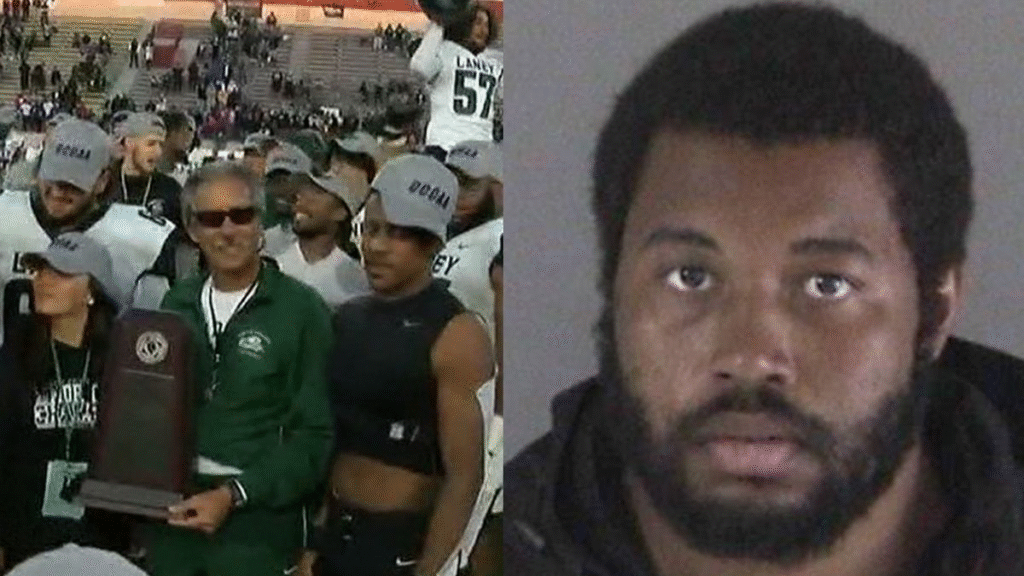
Anderson posted a message thanking Beam and calling him “brother,” while the Wright brothers—Nahshon and Rejzhon—shared tributes acknowledging the personal impact Beam had on them. For these athletes and many others who never reached the professional level, Beam’s mentorship formed a lasting part of their foundation as adults. Beam’s reputation extended into civic circles as well. Elected leaders praised him not only as a coach but also as a community figure whose determination helped stabilize the lives of countless young people.
Representative Lateefah Simon described his death as “a deep loss for Oakland” and emphasized his ability to give youth confidence, structure and a belief in their potential. Oakland Mayor Barbara Lee expressed similar sentiments, noting that Beam’s legacy was measured not in championships but in the young people he refused to abandon. These tributes reflected a broad recognition that Beam’s work reached into families and neighborhoods as much as it did into locker rooms.
Though he spent years receiving accolades and producing winning teams, Beam often resisted portrayals of his career as heroic. Instead, he publicly credited the discipline of his players, the support of families and the strength of the community. Those who worked closely with him said that his humility, combined with his direct and pragmatic coaching style, was central to his ability to reach young athletes. Even as his program evolved and football itself changed, Beam remained committed to an approach grounded in respect, accountability and the transformative power of teamwork.
Circumstances of the Arrest and Public Response to the Shooting
In the hours following the shooting at Laney College, authorities mobilized a broad response involving Oakland police, the Alameda County Sheriff’s Office and transportation officials across the Bay Area. During a press conference on Friday, Oakland Police Chief Floyd Mitchell confirmed Beam’s death and provided an initial outline of the investigation. The arrest of Cedric Irving Jr., made shortly before dawn, became a major development in a case that had instantly drawn significant public attention.
Assistant Police Chief James Beere added that the suspect had been seen loitering around the Laney campus and had previously played high school football in Oakland, though he had not played under Beam and had no known academic or employment connection to the college. Beere described the incident as targeted but declined to elaborate on the suspect’s intent, citing the ongoing investigation.
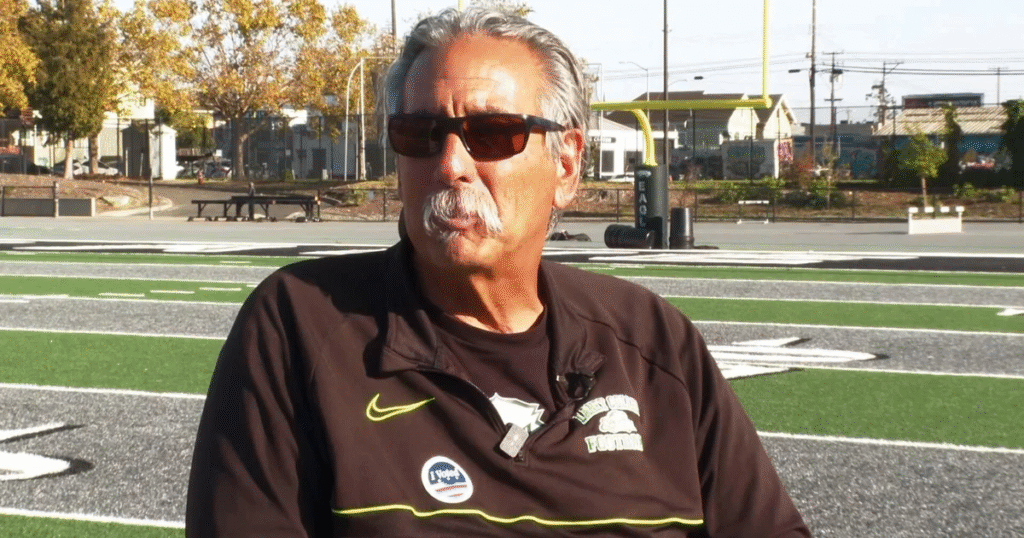
He emphasized that Beam’s willingness to help many people in the community meant he often interacted with individuals who were struggling or in need of support, but investigators had not yet determined whether any prior interaction between the two was related to the shooting. The rapid arrest provided some measure of clarity, but for the community, questions remain. Students, colleagues and athletes gathered in grief, and tributes poured in from across the country.
Former players shared stories of Beam’s insistence on discipline, his commitment to education and his unwavering belief in second chances. For many, the tragedy underscored Beam’s enduring presence on campus and the sense of safety and mentorship he provided. The sudden loss of a figure so central to the day-to-day life of Laney College brought a deep emotional blow, particularly to those who had seen Beam as a constant stabilizing force.
Civic leaders echoed the sense of shock. In her statement, Representative Simon noted the broader frustration within the city as it confronts recurring incidents of violence. While she emphasized the need for collective commitment to community safety, she also acknowledged the irreplaceable impact that Beam had made during his decades of service. For Oakland, Beam’s death is not only a personal tragedy but also a symbolic rupture in the network of mentors and leaders who guide young people through difficult circumstances.
As the investigation continues, authorities have said they will release more information as it becomes available. For now, the focus among those who knew Beam has turned to preserving his legacy and supporting the community he dedicated his life to uplifting. His influence, felt across generations of athletes, classrooms and neighborhoods, remains a testament to his belief in what young people can achieve when given structure, consistency and a chance to succeed.
**mitolyn official**
Mitolyn is a carefully developed, plant-based formula created to help support metabolic efficiency and encourage healthy, lasting weight management.
Tham gia 888slot để tận hưởng sân chơi cá cược hợp pháp. Mọi kết quả trò chơi đều được giám sát bởi các tổ chức cá cược quốc tế danh giá. TONY03-25