

A shocking altercation in Florida has reignited debate over political intolerance and public safety after a 33-year-old woman allegedly assaulted a senior citizen simply for wearing a red “Make America Great Again” (MAGA) cap.
The incident, which took place in Largo, Florida, has made national headlines and raised questions about the growing polarization in American society. Laura Garrett now faces serious charges after she reportedly struck and poured the contents of a can on 72-year-old Garry Gama in a politically motivated attack.
The Incident in Largo: A Political Clash Turns Violent
On a quiet Tuesday afternoon in Largo, Florida—a suburban community located near Clearwater—a verbal exchange over political attire spiraled into a physical confrontation. Around 5:30 p.m., Laura Garrett, 33, approached 72-year-old Garry Gama, who was publicly wearing a “Make America Great Again” (MAGA) cap, a symbol closely tied to former President Donald Trump and his political base.
According to police, Garrett questioned Gama about his reasons for supporting Trump and for wearing the hat. While the specific words exchanged between the two have not been disclosed by authorities, it’s clear that the conversation escalated quickly. The situation took a violent turn when Garrett allegedly struck Gama with a can—first on the back of his head, then on his shoulder—and emptied the contents of the can onto him.
Garrett reportedly denied striking Gama, though she admitted to pouring the can’s contents on him. Police have not confirmed what the contents were, but the assault itself was enough to prompt serious legal repercussions.
Following the incident, Garrett attempted to flee. According to the police affidavit, she tried to evade capture by jumping a fence and continuing to walk away from the scene. When officers located her, she allegedly refused to provide her name, complicating the arrest process.
Read : Megan King Gets Head Reattached to Body After 37 Surgeries
During the arrest, Garrett became combative. Authorities claim that while she was being escorted to a patrol vehicle in handcuffs, she used her full bodyweight to throw herself to the ground and wrapped her legs around one of the officers, causing the officer to fall and graze his knee. Despite her resistance—kicking and pulling away from the officers—Garrett was eventually subdued and transported with the help of four police officers.
Legal Repercussions and Public Response
Laura Garrett was taken to the Pinellas County Jail on Tuesday evening and charged with battery on a person aged 65 or older, battery on a law enforcement officer, and obstructing or resisting an officer without violence. These are serious charges, particularly the first, which qualifies as a felony in the state of Florida due to the age of the victim.
She was held without bond initially but was released the following evening. The circumstances surrounding her release have not been detailed, but her case is expected to proceed through the legal system with increased public scrutiny.
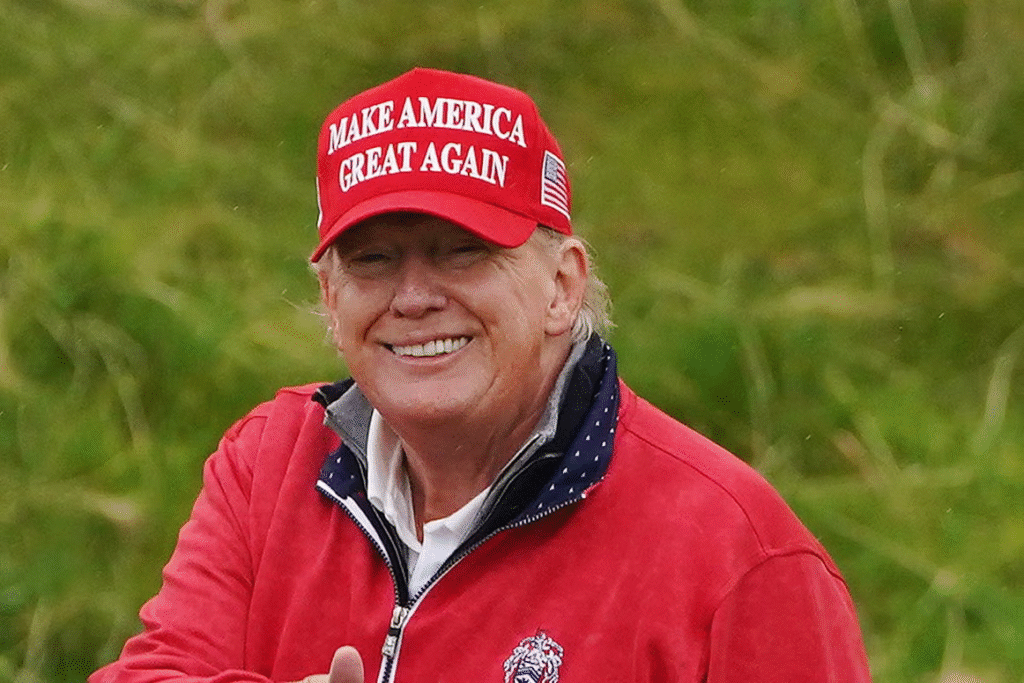
The alleged assault has stirred passionate reactions on both sides of the political divide. Supporters of Donald Trump have cited the incident as evidence of rising hostility toward conservatives and Trump-aligned individuals. They argue that wearing political symbols—regardless of one’s political beliefs—should not warrant physical aggression. The right to free speech and expression, they emphasize, must be upheld in a democratic society.
Meanwhile, critics have expressed concern over the increasingly confrontational nature of American political discourse. Some have condemned the attack while also noting the importance of addressing political polarization that can fuel such behavior. What remains widely agreed upon, however, is that resorting to violence is never an acceptable response to political disagreement.
Civil liberties organizations and community leaders have also weighed in, stressing the need for more respectful public dialogue. Local officials have expressed disappointment over the violent nature of the incident and called for citizens to model civility, particularly in politically sensitive times.
The MAGA Hat: Symbol of Support or Flashpoint of Controversy?
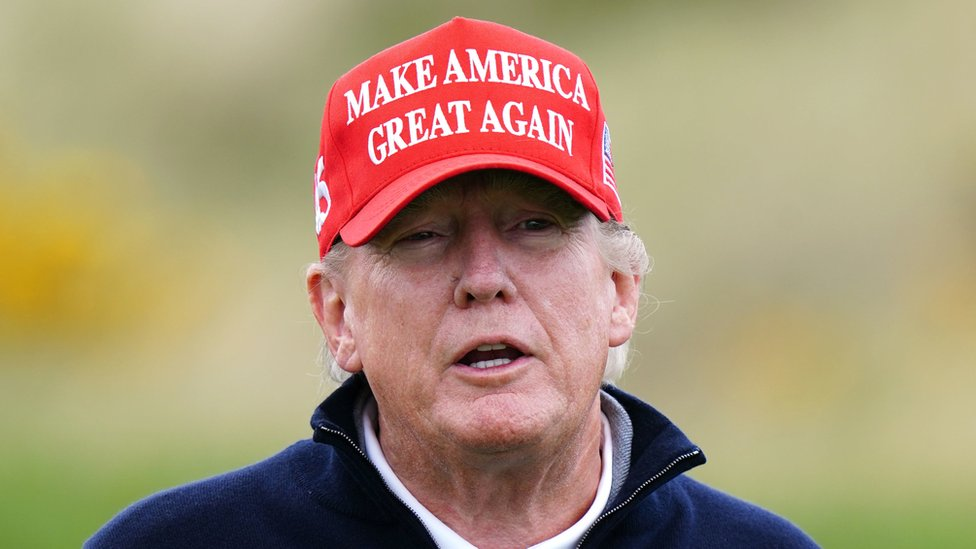
The MAGA hat has long been a lightning rod for controversy. For supporters of Donald Trump, it represents patriotism, support for conservative values, and alignment with the former president’s “America First” agenda. For critics, however, the hat has come to symbolize division, intolerance, and—at times—racial and political insensitivity.
This dichotomy has created tension in public spaces where freedom of expression intersects with deeply held political and cultural convictions. MAGA hat wearers have previously reported facing discrimination, insults, or harassment. On the other hand, critics argue that the hat carries implications that go beyond simple political support, which can provoke emotional or visceral reactions.

Over the years, there have been several high-profile cases involving confrontations over MAGA hats. In some instances, wearers have been assaulted; in others, they have been refused service at businesses or removed from venues. The debate over whether the hat is simply an item of free expression or a provocative symbol continues to fuel passionate discourse.
In this particular case, the MAGA hat appears to have triggered a deeply emotional and violent reaction from Laura Garrett. Regardless of the personal or political motivations behind her behavior, the incident demonstrates how symbols in today’s political landscape can ignite real-world conflict. The altercation in Largo is not just about one person’s political views—it’s a reflection of a broader social and cultural divide playing out across communities in America.
The rights to freedom of speech and expression are protected under the First Amendment of the U.S. Constitution, and this includes the wearing of political apparel. But when expression is met with violence, it raises important questions about tolerance, civic respect, and the boundaries of protest in modern society.
Law enforcement officials in Largo have not commented extensively on the political implications of the case but have emphasized that the law applies equally, regardless of the context. Violence against the elderly and against law enforcement are serious offenses, and they are being treated accordingly in this case.
A Broader Reflection on Political Tensions in the U.S.
Incidents like this one in Florida are part of a growing trend of politically motivated altercations throughout the United States. As national politics become increasingly polarized, interactions between individuals of opposing viewpoints have, at times, escalated into aggression or outright violence. Whether in city streets, college campuses, or even within families, political division is no longer just ideological—it’s becoming deeply personal.
The question facing America now is how to restore civility in the face of ideological differences. Many believe that education, community engagement, and media responsibility all play crucial roles. Schools and local governments are beginning to initiate programs aimed at encouraging civil discourse, teaching conflict resolution, and highlighting the importance of peaceful protest.
At the same time, mental health resources are being brought into the conversation. In many altercations, as in this case, the psychological state of the attacker becomes a factor in the legal proceedings and public analysis. Experts have urged for a more proactive approach to mental health care, particularly as it intersects with political stress and social tensions.
Social media also plays a powerful role in intensifying political hostilities. Platforms that once served to connect people across geographies and ideologies are now often echo chambers that reinforce division. Algorithms amplify outrage, while misinformation and emotional content spread faster than facts. This digital environment contributes to the kind of aggressive behavior now appearing in real-life scenarios.
Political leaders and public influencers bear a significant responsibility. Their words, actions, and responses can either inflame tensions or calm them. In times of discord, leadership that models respect for differing views can be instrumental in guiding public behavior. Conversely, incendiary rhetoric can provoke instability, encourage confrontational behavior, and undermine the values of democracy.
The incident involving Laura Garrett and Garry Gama is not just an isolated case—it is a symbol of the current social climate. As the nation prepares for future elections and contentious policy debates, ensuring that such disagreements remain peaceful is essential to maintaining a functional and free society.