
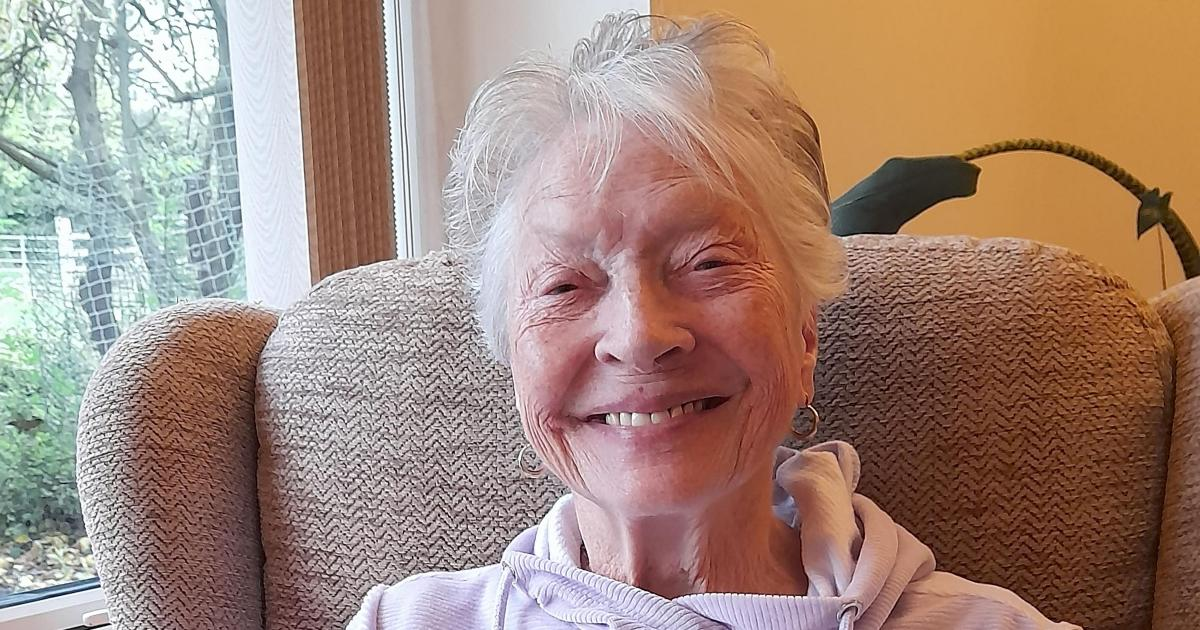
An 82-year-old woman from England, choosing to be known only as Ed, has issued an emotional appeal to lawmakers as the Terminally Ill Adults (End of Life) Bill returns to the House of Lords for its committee stage. Recently diagnosed with an inoperable brain tumour affecting multiple areas of her brain, Ed has been given only a few months to live. In the six weeks since her diagnosis, she has experienced a rapid and alarming decline, including significant growth of the tumour within just 10 days between MRI scans.
Once active and fit for her age, she now faces growing challenges affecting her sight and fears how quickly her condition will worsen. For her, the debate surrounding assisted dying is not abstract or political. It is immediate, personal and rooted in a desire for dignity and control during the final stage of her life. As peers prepare for what is expected to be a contentious review of the Bill, Ed is urging them to look past their own biases, confront the reality faced by terminally ill people and act with compassion.
A Personal Plea from a Patient Facing Rapid Decline
When Ed received her diagnosis, she described it as the beginning of a “nightmare”. Her tumour is inoperable, aggressive and growing at a rate that has left her with a prognosis measured in months rather than years. In her interview, she explained the emotional impact of watching her health deteriorate so rapidly after a lifetime of independence. She had always taken pride in her fitness and self-sufficiency, but the tumour’s progression has already affected her vision, forcing her to confront the frightening uncertainty of what the coming weeks and months may bring.
Her appeal to lawmakers is deeply intertwined with this personal reality. Ed emphasised that a caring society should recognise the need to support people not only in their lives but also in their deaths if they so choose. She believes that denying terminally ill adults the legal right to an assisted death is a form of cruelty, leaving them without reassurance or agency during an already distressing time. For her, choice and dignity are at the centre of the argument.
Read : 4,000-Year-Old Skull Reveals Ancient Egyptians Were Trying to Cure Cancer
She envisions an end-of-life process that is orderly, calm and aligned with the way she has always approached life. Although she does not expect any change in the law to come soon enough to help her personally, she believes passionately in the importance of giving others the option in the future. Her hope is that the legal framework will one day match the values of compassion and autonomy she feels should guide society’s approach to the terminally ill.
The Controversy Surrounding the Terminally Ill Adults Bill
The proposed legislation has attracted intense debate, including strong criticism from opponents during its previous stage in the Lords in September. Some described it as a “licence to kill”, warning it could erode the value placed on human life or lead to social pressure on vulnerable individuals. Others feared that medical or psychological suffering might too easily be interpreted as grounds for hastening death.
These concerns have resulted in more than 900 amendments being tabled ahead of the committee stage, the highest number ever submitted for a piece of backbench legislation. Supporters of the Bill worry that this influx of amendments may reflect an attempt to delay, dilute or block the legislation entirely, preventing it from progressing before the current parliamentary session ends in spring.
Read : 17-Year-Old Girl’s Severe Abdominal Stomach Pain Turned Out To Be Tennis Ball Size Tumour
In its current form, the Bill would allow adults who have fewer than six months to live to apply for an assisted death, provided they meet strict criteria. Their request would require assessment and approval by two doctors, as well as a panel including a social worker, a senior legal figure and a psychiatrist. This multi-layered process is designed to safeguard against coercion, ensure mental capacity and confirm that the patient’s decision is informed, voluntary and consistent over time.
If the legislation is ultimately passed by both Houses, the Government would have up to four years to establish an assisted dying service, meaning that the earliest possible assisted death would take place around 2029 or 2030. This timescale is far beyond the reach of Ed’s prognosis, which underscores her focus on helping future patients rather than herself.
Even so, the broader national debate remains highly polarised. Proponents argue that existing laws force people into prolonged suffering, deny them autonomy and compel some to seek traumatic and sometimes dangerous alternatives, including travelling abroad or attempting to end their lives without medical oversight.
Opponents worry about moral, ethical and societal consequences, fearing that legalisation could normalise assisted death or subtly pressure people who feel like a burden. The House of Lords must confront these formidable questions as it moves through the Bill’s vast array of proposed amendments. For Ed and others who support the Bill, the key issue is whether compassion can be placed at the centre of the legislative process rather than overshadowed by ideological or moral disagreements.
The Call for Timely Action and Honest Reflection
As the Bill returns to the chamber, Ed’s message to peers is straightforward but urgent. She has asked them not to delay, not to use procedural tactics to avoid confronting the issue and not to allow personal or ideological biases to obstruct meaningful discussion. She urged members of the Lords to look inward, examine where their beliefs come from and consider whether they are preventing them from understanding the desperation and need felt by people in her situation.
Read : Lisa Davenport Spared Jail for Suffocating Terminally Ill Father With Pillow to End His Pain
In her view, too many lawmakers focus on hypothetical scenarios rather than human experiences. She believes that if they listened more closely to patients, families and healthcare workers who deal directly with terminal illnesses, they would recognise that the current system leaves many without comfort or control as they near the end of life. She stressed that the desire for an assisted death is not rooted in fear of dying, but in fear of how one might die. For her, an “orderly plan” for death is simply an extension of the way she has lived—organised, thoughtful and guided by personal choice.
Ed has already begun planning her end-of-life celebration, ensuring that her loved ones will not have to make difficult decisions during an emotionally heavy time. She hopes that the law will eventually allow others to make similarly peaceful choices. While she acknowledges the depth of the ethical questions involved, she believes that courage and honesty from lawmakers are essential if society is to move toward a more compassionate legal framework.
The debate ahead in the House of Lords will be complex and deeply contested, but Ed’s voice reflects the lived reality that underpins the discussion. Her words serve as a reminder that behind the political argument are individuals confronting the end of life with uncertainty, fear and hope for a dignified path forward. Her appeal is not just a call for policy change but a call for empathy and a recognition that supporting people through the final phase of life should include respecting their choices about how that phase unfolds.
I enjoyed reading this article. Thanks for sharing your insights.
Không chỉ dừng lại ở các trò chơi truyền thống, 188v chính thức còn tiên phong trong lĩnh vực cá cược Esports với tỷ lệ kèo cạnh tranh. Những giải đấu đỉnh cao như CSGO hay Dota 2 đều được tích hợp đầy đủ, mang lại sự lựa chọn phong phú cho giới trẻ hiện đại. TONY03-16H