
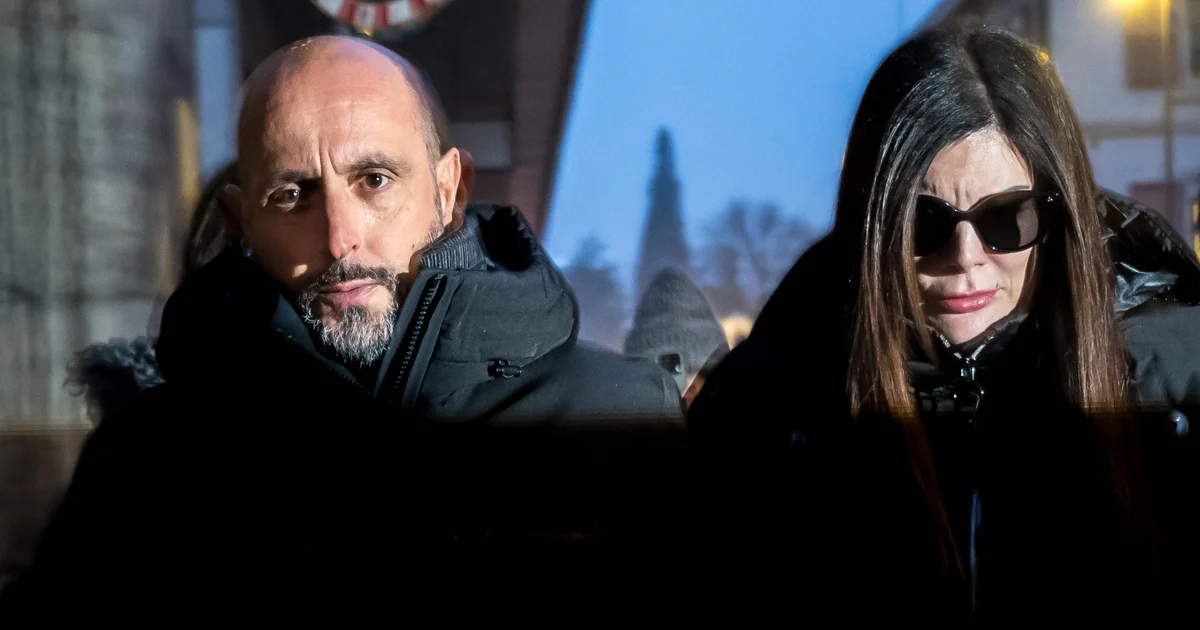
The detention of Jacques Moretti, one of the two co-owners of the Swiss ski resort bar Le Constellation, marks a significant development in the legal fallout from one of the deadliest nightclub fires Switzerland has experienced in decades. The blaze, which broke out shortly after midnight on New Year’s Eve in the resort town of Crans-Montana, claimed the lives of 40 people and left 116 others injured, many with life-altering burns.
As the country observes days of mourning and families begin burying their loved ones, prosecutors are now moving to establish criminal responsibility for a tragedy that has shaken public confidence in safety oversight and regulatory enforcement. Swiss authorities confirmed that Jacques Moretti, a 25-year-old French national, was detained on the grounds that he posed a potential flight risk. His wife and co-owner, Jessica Moretti, is also under criminal investigation. Both are suspected of manslaughter by negligence, bodily harm by negligence, and arson by negligence.
The charges underscore the gravity with which prosecutors are treating the case, reflecting not only the catastrophic human toll but also mounting evidence of systemic safety failures at the venue. The fire is believed to have been ignited when sparklers attached to champagne bottles were raised too close to the low ceiling of the basement bar during New Year celebrations. According to investigators, the sparks set alight sound-insulating foam installed on the ceiling, causing flames to spread rapidly in the crowded underground space.
Many of those inside were young people celebrating the start of the year, with eight victims reported to be under the age of 16. The combination of flammable materials, confined architecture, and overcrowding proved fatal within minutes. As Switzerland pauses to mourn, the case has become a focal point for broader questions about accountability, regulatory oversight, and whether long-standing safety lapses at Le Constellation and within the local municipality contributed directly to the scale of the disaster.
Detention of Jacques Moretti and the Criminal Investigation
The decision to detain Jacques Moretti followed hours of questioning by prosecutors in Sion, the capital of the canton of Valais. Under Swiss law, individuals under investigation can be held in custody pending a court decision, which must be made within 48 hours. Prosecutors cited concerns that Moretti might attempt to leave the country if released, a risk heightened by his French nationality and the international attention surrounding the case.
Both Jacques and Jessica Moretti have been formally placed under criminal investigation. The allegations they face center on negligence rather than intent, but the potential legal consequences remain severe. Manslaughter by negligence and bodily harm by negligence can carry significant prison sentences under Swiss law if prosecutors can demonstrate that the owners failed to meet their legal duty of care and that those failures directly contributed to the deaths and injuries.
Arson by negligence, the third suspected offense, reflects the prosecutors’ belief that the fire resulted from unsafe practices allowed or tolerated within the establishment. While investigators do not allege that the owners deliberately caused the fire, they argue that permitting the use of sparklers in a low-ceilinged, enclosed space lined with flammable materials amounted to reckless disregard for safety.
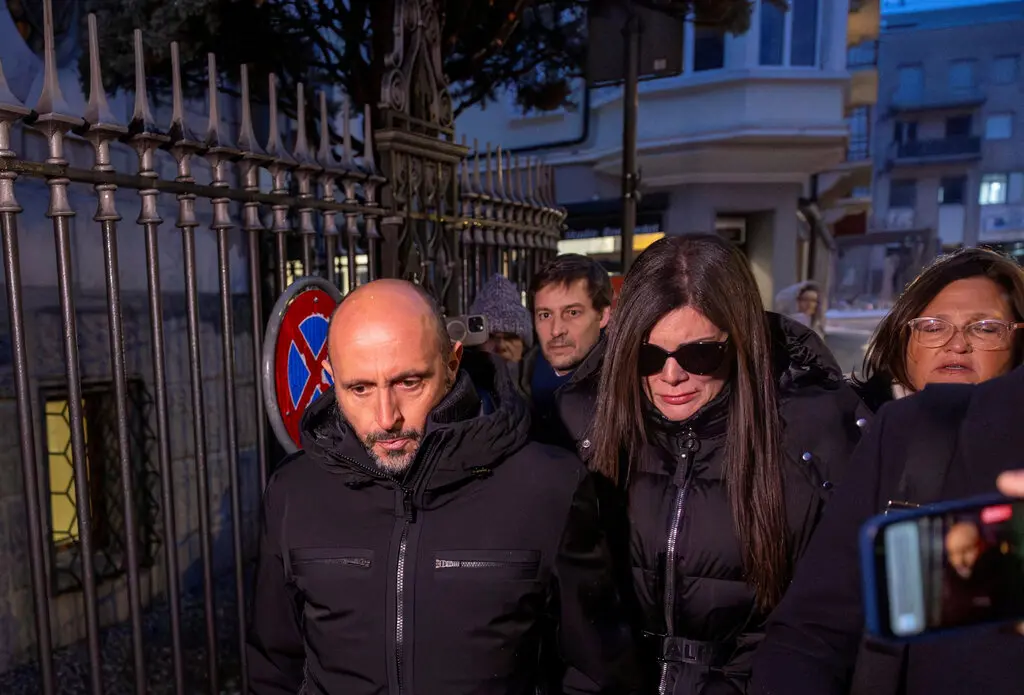
Jessica Moretti addressed reporters briefly after questioning, expressing sorrow and shock as she walked through the streets of Sion under police escort. She stated that her thoughts were with the victims and those still fighting for their lives, describing the incident as an unthinkable tragedy that she and her husband could never have imagined. The couple had earlier said they were devastated by the events and pledged full cooperation with the investigation.
Read : Who Are Jacques and Jessica Moretti, Owner of the Le Constellation Bar That Destroyed in Fire?
Despite these statements, the detention of Jacques Moretti signals that prosecutors believe there are substantial grounds to continue holding him while the inquiry progresses. Investigators are expected to examine a wide range of factors, including the bar’s safety protocols, staff training, emergency exits, capacity limits, and decisions surrounding the use of pyrotechnic items such as sparklers during crowded events.
BREAKING | New Year Tragedy in Switzerland 🇨🇭
— Kalpana Rajauriya (@KalpanaMadam) January 1, 2026
A massive explosion followed by a fire broke out at Le Constellation Bar, Crans-Montana during New Year’s Eve celebrations.
⚠️ Several lives lost
⚠️ Many critically injured
🚒 Emergency teams on high alert at the site
🔎 Investigation… pic.twitter.com/UMoBF3z7TN
Witness testimony and video footage circulating on social media are also likely to play a central role. Videos recorded moments before the fire reportedly show celebratory scenes with raised champagne bottles and sparklers, followed by sudden flames and panic. For prosecutors, establishing a clear chain of responsibility will be critical in determining whether the co-owners’ actions or omissions meet the legal threshold for criminal negligence.
The Fire, Its Victims, and the National Response
The New Year’s Eve fire at Le Constellation unfolded with devastating speed. The basement bar, popular among seasonal workers and tourists in the upscale ski resort of Crans-Montana, was crowded with hundreds of celebrants when the flames erupted. The ignition of the ceiling foam produced intense heat and toxic smoke, rapidly reducing visibility and making escape extremely difficult.
Emergency services responded swiftly, but the conditions inside the bar complicated rescue efforts. Firefighters later described chaotic scenes, with victims trapped or injured amid thick smoke. Many survivors suffered severe burns and smoke inhalation, and some were transferred to specialist burn units in Switzerland and neighboring European countries due to the scale of the injuries. The death toll of 40 has left an indelible mark on the community. Most of the victims were young, a fact that has deepened the national sense of loss.
Eight were under the age of 16, raising further questions about age controls, supervision, and crowd management at the venue. Families have spoken of children and teenagers who went out to celebrate the New Year and never returned home. Switzerland observed a national day of mourning on Friday in honor of the victims. Across the country, people paused for a minute’s silence. Church bells rang for five minutes, trains and trams came to a halt, and Zurich airport briefly suspended operations.

These gestures reflected the scale of the tragedy and the collective grief felt far beyond Crans-Montana. In the resort town itself, a local commemoration drew residents, officials, and emergency responders. Firefighters received a standing ovation in recognition of their efforts on the night of the disaster. For many attendees, the ceremony was both a moment of remembrance and an expression of gratitude toward those who risked their lives to save others.
The emotional toll continues to be compounded by the ongoing funerals of victims, some of which have already taken place. For families, the mourning process is intertwined with a search for answers. Many have called for a thorough and transparent investigation to ensure that those responsible, whether individuals or institutions, are held accountable.
Safety Failures, Oversight Questions, and Wider Accountability
One of the most alarming revelations to emerge from the investigation is that Le Constellation bar had not undergone safety inspections for five years. Under Swiss regulations, venues of this type are typically required to be inspected annually to ensure compliance with fire safety standards, capacity limits, and emergency preparedness. The failure to carry out these inspections has shocked families, residents, and safety experts alike.
The absence of regular inspections raises serious questions about how such lapses could occur in a country known for its rigorous regulatory frameworks. It has also shifted part of the focus away from the bar’s owners alone and toward local authorities responsible for enforcement. Romain Jordan, a lawyer representing some of the victims’ families, has described the number of apparent breaches and shortcomings as staggering, arguing that the municipality itself should be investigated with urgency.
Crans-Montana Mayor Nicolas Feraud acknowledged the failure, stating that he could not explain why inspections had not been conducted for so long at the bar. He expressed regret and said the municipality owed answers and responsibility to the families affected. His remarks suggest that local officials are bracing for scrutiny over whether systemic administrative failures contributed to the tragedy.
In response to the fire, the mayor announced that sparklers would be banned in local venues, a move aimed at preventing similar incidents in the future. While the ban may address one immediate risk factor, critics argue that it does little to resolve deeper issues related to enforcement, accountability, and the culture of safety in nightlife and hospitality venues. Fire safety experts have noted that the use of flammable sound-insulating foam on ceilings has been a known hazard for decades, with similar materials implicated in deadly fires around the world.
If investigators confirm that such materials were improperly installed or maintained at Le Constellation, responsibility could extend beyond the bar’s owners to contractors, inspectors, and regulatory bodies. The case also highlights broader tensions between economic interests and safety compliance in tourist destinations. Ski resorts like Crans-Montana attract large numbers of visitors during peak seasons, placing pressure on venues to maximize capacity and profits. When oversight mechanisms fail, the consequences can be catastrophic, as this fire has demonstrated.
As the investigation continues, prosecutors are expected to examine whether warnings were ignored, whether safety recommendations were not enforced, and whether previous incidents or complaints should have prompted earlier intervention. For many families, accountability is not only about criminal convictions but about ensuring that regulatory failures are acknowledged and corrected to prevent future loss of life.
The detention of Jacques Moretti represents only one step in what is likely to be a long and complex legal process. With dozens of victims, multiple potential points of failure, and intense public scrutiny, the case is poised to become a defining moment in Switzerland’s approach to public safety enforcement. For now, the focus remains on the victims, the injured, and a community grappling with grief while seeking justice in the aftermath of an avoidable tragedy.