
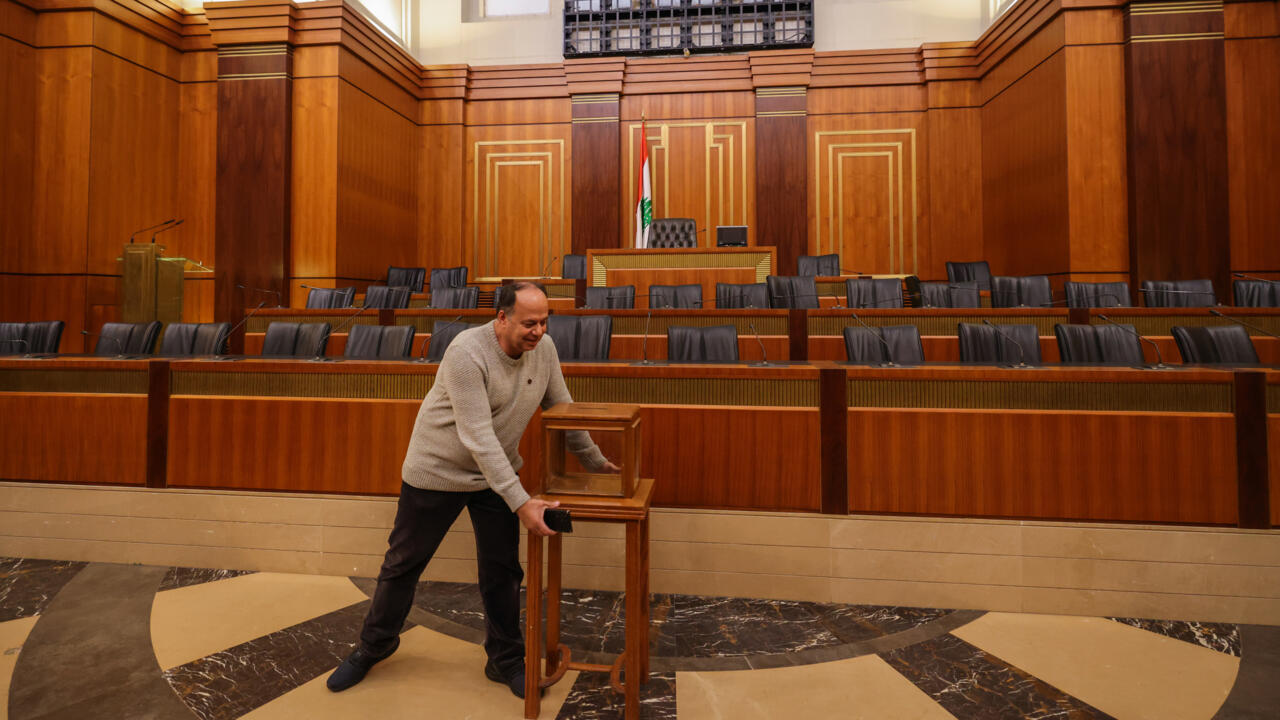
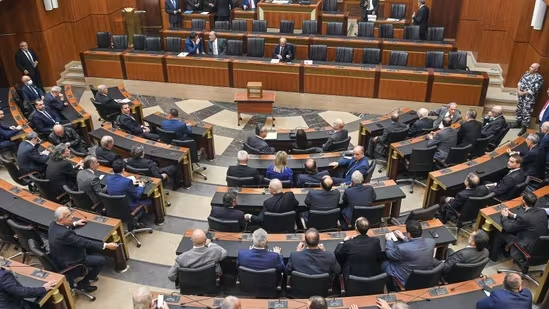
Lebanon stands at a critical juncture as it prepares for its 13th parliamentary session in two years to elect a new president. The prolonged political stalemate, which began after the term of former president Michel Aoun ended in October 2022, has deepened the nation’s crises.
This pivotal election, expected to take place amidst international pressure and internal tensions, offers hope for political stability and economic recovery.
A Nation in Crisis: Lebanon’s Struggle for Stability
Lebanon’s political vacuum has exacerbated an already dire situation in the country. Since the end of Aoun’s term, the government has been operating without a head of state, leading to significant challenges in governance.
Efforts to elect a new president have failed 12 times due to a deeply divided parliament, split between pro- and anti-Hezbollah factions.
The absence of a functioning government has left Lebanon grappling with an economic meltdown that has plunged millions into poverty. Hyperinflation, a crumbling banking sector, and widespread unemployment have underscored the urgency of electing a leader who can address these challenges.
Read : Hamas Releases Heartbreaking Video of 19-Year-Old Liri Albag Held Captive Since October 7
Further complicating the situation is Lebanon’s fraught geopolitical landscape. A tenuous ceasefire between Hezbollah and Israel, following a 14-month conflict, has highlighted the fragile peace in the region. The election comes at a time when Lebanon is seeking international aid for reconstruction and hopes to regain global confidence.
Hezbollah’s Influence Amid the Political Vacuum
The lack of a president has allowed Hezbollah to consolidate its power in Lebanon. The militant group has used the political impasse to maintain its military autonomy and expand its influence within governmental institutions.
Over the past two years, Hezbollah and its allies have strategically placed loyalists in key ministerial, parliamentary, and municipal positions, further entrenching their dominance.
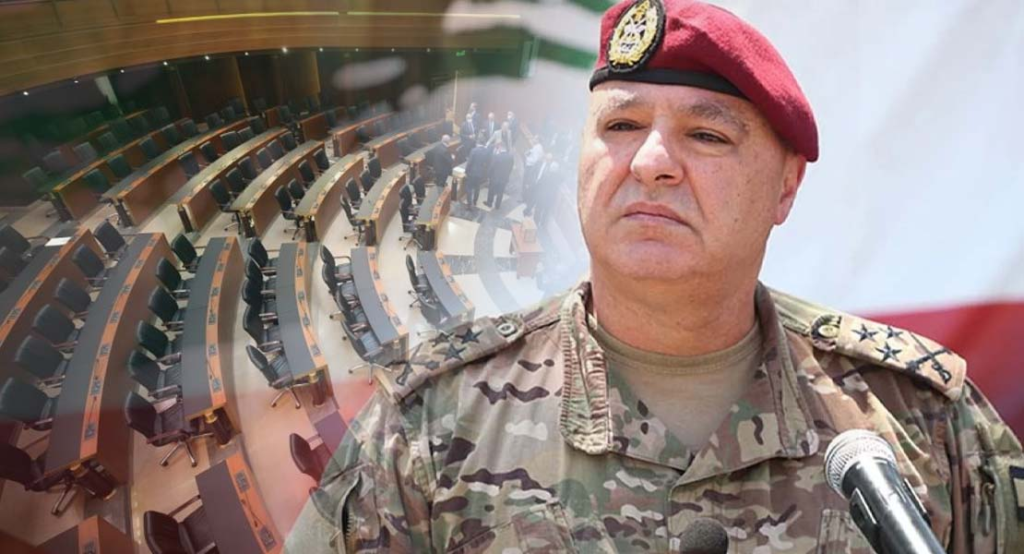
Despite suffering losses during its recent conflict with Israel, Hezbollah’s ability to act independently of the Lebanese state underscores its significant leverage. The group’s actions have drawn criticism from international observers, who see its growing power as a threat to Lebanon’s sovereignty and stability.
Read : Stay Strong and Survive: Israeli Woman to Son Held Hostage in Gaza
The upcoming election is pivotal not only for the nation’s political future but also for rebalancing power dynamics. The choice of president will determine whether Hezbollah’s influence continues unchecked or if opposing factions can reclaim ground in shaping the country’s policies.
The Frontrunners: Who Will Lead Lebanon?
The presidential race has garnered significant international attention, with key players vying for the role. Among the leading candidates is Joseph Aoun, the commander of the Lebanese Army.
Aoun, widely regarded as a unifying figure, has gained substantial backing from Western and Gulf nations. His military background and perceived neutrality make him a strong contender in a parliament divided along ideological lines.
Jihad Azour, an economist with extensive international experience, is another prominent candidate. As a former director of the Middle East and Central Asia Department at the International Monetary Fund, Azour represents a technocratic approach to governance. His support from anti-Hezbollah factions highlights the ideological divide in the election.
Elias al-Baysari, the acting head of Lebanon’s General Security agency, is also in the running. Known for his expertise in national security, al-Baysari has ties to Hezbollah, making him a controversial figure. His candidacy reflects the complex interplay of political alliances and rivalries in Lebanon.
A Crucial Moment for Lebanon
The 13th attempt to elect a president is seen as a decisive moment for Lebanon. International stakeholders, including the United States, France, and Saudi Arabia, have intensified their involvement, urging lawmakers to reach a consensus. Envoys from these nations have expressed support for Joseph Aoun, reflecting their interest in fostering stability in Lebanon.
The election is not just a test of Lebanon’s political will but also a reflection of its ability to overcome sectarian divisions and external pressures.
A successful vote could pave the way for economic reforms, international aid, and a return to normalcy. Conversely, another failure would deepen the nation’s crises and prolong the suffering of its people.
Lebanon’s 13th attempt to elect a president is a pivotal moment for the nation’s future. As the country grapples with political deadlock, economic collapse, and external pressures, the election represents a glimmer of hope for stability and recovery.
The choice of president will shape Lebanon’s trajectory, determining whether it can emerge from its crises or remain mired in uncertainty.
I used to be recommended this blog by my cousin. I am not sure whether this publish is written by means of him as nobody else recognise such distinctive approximately my trouble. You’re wonderful! Thanks!