
In a landmark case that has sent shockwaves through the UK’s animal welfare community, farm owner Lee Hayes has been sentenced to 12 months in prison and handed a lifetime ban from keeping animals. The ruling came after a massive rescue operation in Nottinghamshire uncovered over 450 animals living in what authorities described as “abhorrent” and “harrowing” conditions. This incident, one of the largest animal welfare prosecutions handled by the RSPCA, highlights the critical importance of vigilance in protecting vulnerable creatures from systematic neglect.
As details emerge from the court proceedings at Mansfield Magistrates’ Court, the story serves as a stark reminder of how quickly a sanctuary can devolve into a site of suffering when responsibility is shirked. The events unfolded at Croftfield Farm on Dawgates Lane in Skegby, near Sutton-in-Ashfield, a sprawling property that once promised care for a diverse array of species. Lee Hayes, aged 52, pleaded guilty to 25 offences under the Animal Welfare Act 2006, admitting to failing to provide adequate care for animals ranging from common farm livestock to exotic pets.
His girlfriend, Tammy Heath, 33, also faced the court, pleading guilty to two related offences concerning two dogs. While Heath received a suspended sentence and a five-year ban on keeping canines, Lee Hayes’ punishment reflects the scale and severity of the neglect under his oversight.
This case isn’t just about one farm’s downfall; it’s a call to action for communities, charities, and law enforcement to collaborate in safeguarding animal lives. The rescue, codenamed Operation Teal, involved over 100 staff from multiple organizations and marked a turning point in how large-scale welfare crises are addressed. As we delve deeper into the timeline, conditions, and consequences, it’s clear that this story transcends local news—it’s a national conversation on ethics, accountability, and the human-animal bond.
The Harrowing Discovery: Uncovering Neglect at Croftfield Farm
The nightmare at Croftfield Farm began to surface in 2023, triggered by a seemingly routine inquiry into a missing dog. Lisa Dean, founder of the charity Beauties’ Legacy, visited the farm to investigate claims of a stolen pet. What she encountered prompted immediate concerns, leading to the involvement of Nottinghamshire Police. On November 1, 2023, officers executed a warrant, and what they found was nothing short of devastating.
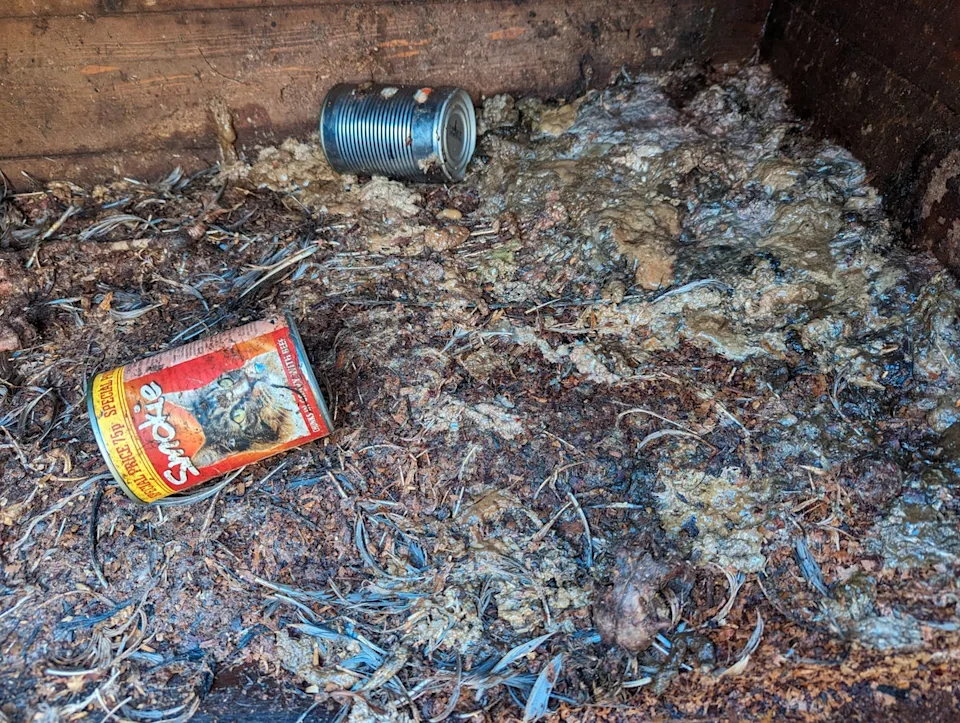
PC Jack Grace, one of the first on the scene, was hit by an overpowering foul odor as he entered a barn. Inside, dozens of dogs were whining in distress, some resorting to eating their own feces amid the filth. The air was thick with the stench of urine and decay, a grim prelude to the horrors awaiting discovery across the 20-acre site. Inspectors from the RSPCA, tipped off by police, launched a full-scale investigation, revealing a menagerie of suffering: over 450 animals across 19 species, crammed into unsanitary hutches, overcrowded sheds, outbuildings, barns, and two muddy fields.
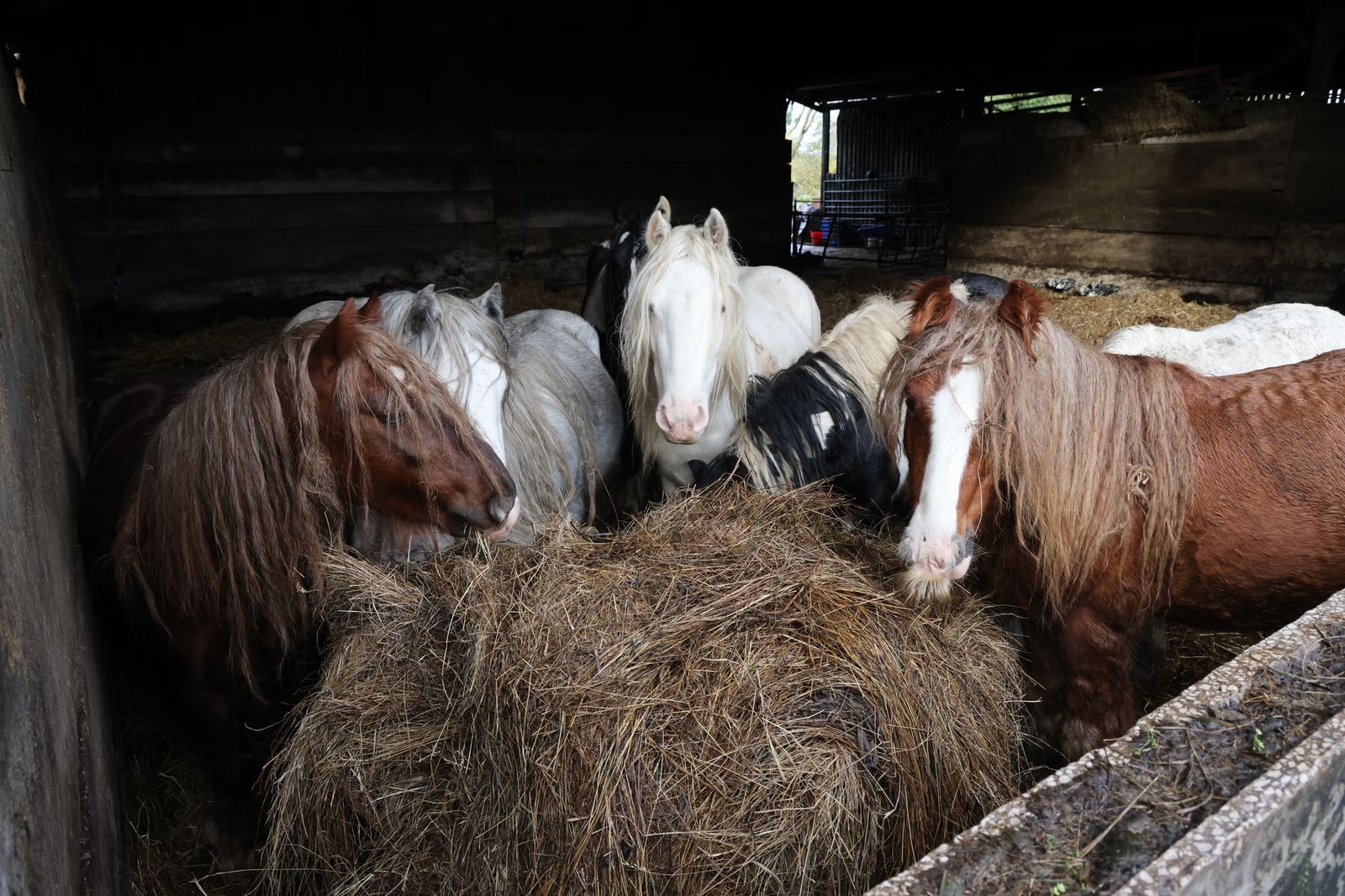
Among the most heartbreaking sights was an elderly German Shepherd dog, tethered to a tiny kennel, barely able to walk due to severe emaciation and untreated ailments. Lee Hayes later admitted to authorities that the dog hadn’t seen a veterinarian and that he had “expected it to die that winter.” This wasn’t an isolated tragedy; it epitomized the systemic failure that permeated the farm. Horses and donkeys stood in cramped, feces-laden enclosures, their hooves overgrown and infected with thrush.
Goats hobbled on elongated hooves that hadn’t been trimmed, while cats scratched at flea-ridden fur, many suffering from respiratory flu. Guinea pigs, numbering over 170, huddled in filthy cages, their small bodies wracked by neglect. Even exotic residents like reptiles, birds, and a lone llama fared no better, deprived of species-appropriate habitats and medical attention.
Read : Chompocalypse! Missing Indonesian Farmer’s Body Found Inside Python
The scale was staggering: around 70 equines, including 29 donkeys; more than 50 dogs and puppies; flocks of poultry; ferrets; rabbits; small rodents; and a variety of exotics. Almost all lacked veterinary care, with many bearing scars of untreated injuries or illnesses. RSPCA Inspector Laura Baker, who led the coordination, described the scene as “appalling,” noting that the animals were “wantonly neglected” in conditions that no living being should endure. This wasn’t a momentary lapse but a “deliberate and sustained” pattern, as District Judge Grace Leong later emphasized in court.
Read : British Farmer’s Rolex Watch Eaten by Cow in 1970 Recovered After 50 Years
The discovery painted a picture of a farm overwhelmed not by accident, but by indifference. Lee Hayes had amassed these animals over years, perhaps with good intentions initially, but priorities shifted, leaving welfare in ruins. The police and RSPCA’s swift action prevented further deterioration, but the damage was already profound. As volunteers and inspectors worked through the day, the weight of the task underscored the urgency of intervention in such cases. This moment of exposure wasn’t just a rescue; it was the unraveling of a hidden crisis that had festered unchecked for far too long.
The Massive Rescue Operation: A Collaborative Triumph Over Cruelty
What followed the initial raid was a Herculean effort dubbed Operation Teal, transforming a site of squalor into one of salvation. The RSPCA spearheaded the operation, enlisting the aid of seven partner charities: The Donkey Sanctuary, Redwings Horse Sanctuary, World Horse Welfare, Bransby Horses, the British Horse Society, Dogs Trust, and Beauties’ Legacy. Over 100 dedicated staff members descended on Croftfield Farm, working tirelessly to assess, treat, and relocate the animals.
Lee Hayes voluntarily signed over many of the creatures to the RSPCA, a gesture that eased the immediate logistics but did little to mitigate the underlying betrayal of trust. For the equines and farm animals, however, a court order was necessary to secure their removal, ensuring no loopholes allowed for reclamation. The process unfolded over hours that stretched into days, with veterinarians on hand to triage the most critical cases. Several animals, too far gone in their suffering, had to be humanely euthanized—a somber necessity that Baker called “heart-wrenching.”
The Donkey Sanctuary’s involvement was particularly poignant. Their Head of Welfare and two Senior Donkey Welfare Advisers joined the fray, focusing on the 29 donkeys found in dire straits. These animals, known for their resilience, were instead symbols of despair: underweight, with untreated wounds and hooves so overgrown they could barely move. Staff from Redwings and World Horse Welfare handled the horses and ponies, many of whom were skeletal and infested with parasites. Dogs Trust stepped in for the canine contingent, providing immediate fostering and medical rehab for the packs of strays and pedigrees alike.
Logistics were a nightmare in themselves. Transporting 455 animals required dozens of trailers and vans, coordinated with precision to avoid further stress. Guinea pigs and small rodents were shuttled in climate-controlled carriers, while larger species like the llama demanded specialized handling. Poultry and exotics posed unique challenges, with birds needing quiet enclosures to prevent panic and reptiles requiring temperature-regulated boxes. By the operation’s end, every animal had been accounted for, vetted, and dispatched to rehabilitation centers across the UK.
This collaborative triumph wasn’t without its emotional toll. Volunteers emerged tear-streaked, sharing stories of individual recoveries—like a young puppy nursed back from the brink or a donkey taking its first pain-free steps. The RSPCA hailed it as one of their largest cases ever, crediting the tip-off from Beauties’ Legacy for making it possible. Nottinghamshire Police’s role was pivotal, providing security and legal muscle to execute the warrant. In total, the rescue saved hundreds of lives, but it also exposed the cracks in rural oversight, where isolated farms can harbor unseen atrocities. Operation Teal stands as a blueprint for future interventions: swift, unified, and compassionate.
Courtroom Reckoning: Justice Served and Lessons Learned
The legal hammer fell on September 18, 2025, at Mansfield Magistrates’ Court, where Lee Hayes and Heath faced the music. Hayes, born January 25, 1973, and residing at the farm, stood before District Judge Grace Leong, who didn’t mince words. Describing the neglect as “deliberate and sustained,” she called the evidence “harrowing,” pointing to Hayes’ repeated disregard for advice. As early as 2016, The Donkey Sanctuary had visited, urging welfare improvements that went unheeded. RSPCA warnings followed, yet conditions worsened.
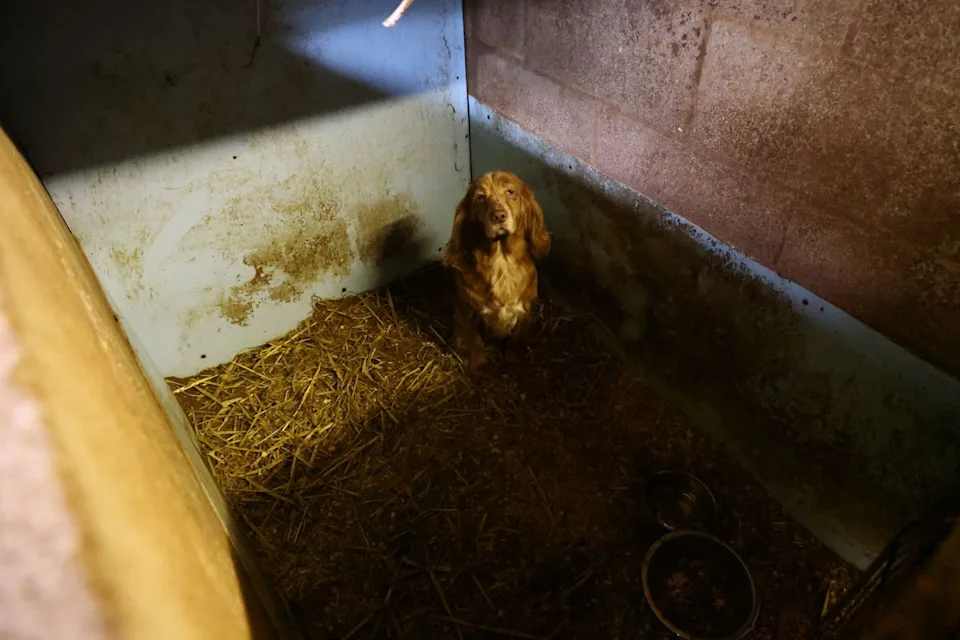
Lee Hayes’ defense was feeble: he claimed things had “all got a little out of hand.” Leong rejected this outright, sentencing him to 12 months’ imprisonment and disqualifying him from any animal-related activities for life. The ban ensures he can neither own nor work with animals, a permanent barrier to repeating such failures. Heath, from Moorland Close in Skegby, fared slightly better for her lesser role: a 13-week suspended sentence for 12 months, a five-year dog ban, and 200 hours of unpaid work. Her offenses centered on two dogs, Tia and Flicker, found in filthy pens without basic needs met.
The courtroom echoed with the gravity of the charges—25 counts for Lee Hayes alone, encompassing failures in housing, diet, veterinary care, and protection from suffering. Leong emphasized the breadth: “wantonly neglected hundreds of animals of a wide range of species.” Costs were also levied, with Hayes ordered to pay over £10,000 in prosecution fees, underscoring financial accountability.
Beyond punishment, the verdict ripples outward. The RSPCA’s Laura Baker expressed gratitude for the outcome, noting it sends a “clear message” to abusers. Partner charities echoed this, with The Donkey Sanctuary highlighting how early interventions could have averted the crisis. For the animals, recovery continues: many now thrive in sanctuaries, regaining health and trust. A pony once too weak to stand now gallops in fresh pastures; guinea pigs burrow in clean bedding.
This reckoning isn’t just closure—it’s a catalyst. It bolsters calls for stricter farm inspections and public reporting mechanisms. In Nottinghamshire and beyond, awareness campaigns are ramping up, urging neighbors to speak out on suspicious signs like persistent odors or distressed animals. Lee Hayes’ lifetime ban, while severe, is just; it protects future innocents. As society grapples with pet ownership booms and rural isolation, cases like this reinforce that animal welfare is a shared duty. The farm’s legacy, once one of neglect, now fuels advocacy, ensuring no creature suffers in silence again.