
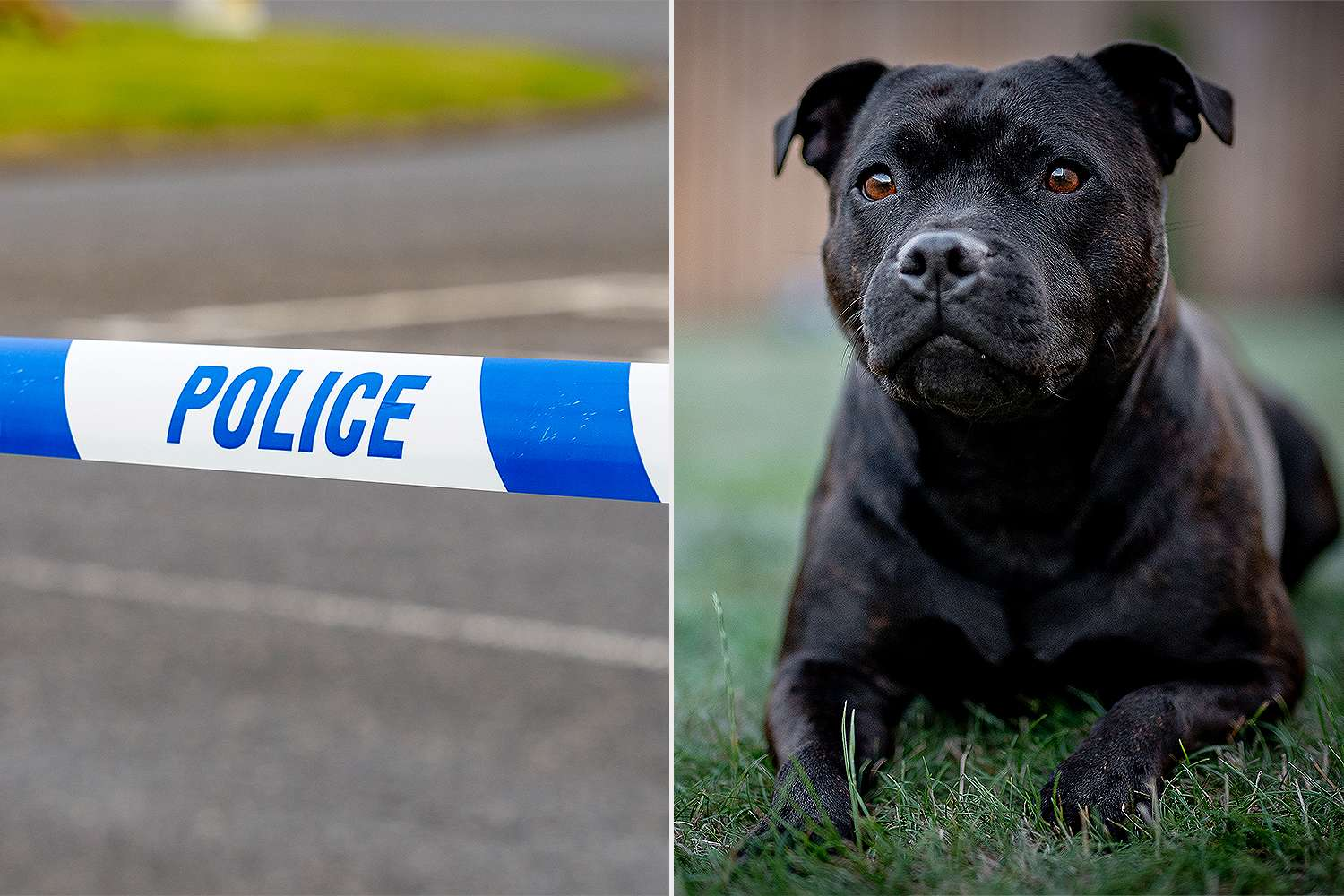
A serious and deeply distressing dog attack in the United Kingdom has resulted in a prison sentence for a man who had been entrusted with the care of a powerful breed but failed to prevent it from escaping and causing severe harm. The case drew significant attention not only because of the age of the primary victim, but also because of the extent of her injuries and the involvement of a bystander who was also attacked while attempting to help. The court proceedings examined questions of responsibility, risk awareness, and the duty of care required when handling animals capable of inflicting serious injury.
The incident unfolded when a Staffordshire bull terrier named Menace, temporarily under the supervision of 55-year-old Lee Johnston, escaped from a residential property and attacked a young girl who had been playing outside. The consequences were immediate and devastating. The child suffered multiple deep bite wounds requiring extensive medical intervention, and an off-duty nurse who intervened to assist her was also seriously injured. The violent nature of the attack, combined with the circumstances that allowed the dog to roam freely, became central to the court’s determination of liability.
Johnston ultimately admitted to offences relating to being in charge of a dangerously out-of-control dog causing injury, as well as an unrelated charge connected to cannabis plants discovered in his home after the attack. The sentencing hearing explored not only the events of the day itself but also the wider context, including prior concerns about the animal’s temperament and whether reasonable precautions had been taken. The case has since become a stark example of the legal and personal consequences that can follow when control measures fail and warnings go unheeded.
The Attack and Immediate Aftermath
The attack occurred when the dog escaped from the property where Johnston had been staying. At the time, he had been watching the animal as a favour for his son. According to accounts presented in court, Johnston had left the back door open while he showered, allowing the dog access to what he believed was a secure garden area enclosed by fencing and a gate. Somehow, the dog managed to get beyond those boundaries and enter the street.
Outside, a seven-year-old girl had been playing with a friend when the dog approached and attacked her. Witnesses described a chaotic and frightening scene as neighbours rushed to intervene. In their attempts to stop the attack, members of the public reportedly threw objects, including bricks, to drive the dog away. Despite their efforts, the animal continued to inflict serious injuries before help arrived in more organised form.
Among those who stepped forward was a 22-year-old off-duty nurse who rushed to assist the child. Her intervention, while courageous, placed her directly in harm’s way. She too was bitten multiple times while trying to protect and aid the young victim. Eventually, several people working together managed to restrain the dog and confine it in a crate until authorities arrived.
Emergency medical treatment was required for both victims. The young girl’s injuries were particularly severe. She sustained deep bite wounds to multiple parts of her body, including her legs, feet, and hands. Some injuries were so extensive that tissue and bone were exposed, necessitating urgent surgical procedures. She underwent two operations and later received additional treatment aimed at reducing permanent scarring.
Read : Woman Dies After Falling Through Ice on Bee’s River While Walking Her Dog with Husband
The off-duty nurse also required hospital care for bites affecting her thigh, arm, and stomach. Her injuries, though less extensive than the child’s, were nonetheless serious and underscored the intensity of the attack. Both victims faced physical recovery as well as the emotional trauma associated with such a violent and unexpected event.
Read : 60 Million-Year-Old Seeds Show Death of Dinosaurs Helped Grapes Spread Worldwide
The immediate aftermath of the incident raised urgent questions about how the dog had been able to escape and whether sufficient safeguards had been in place. These questions became central to the legal proceedings that followed.
Legal Proceedings and Accountability
In court, Johnston accepted responsibility for being in charge of a dog that was dangerously out of control and caused injury. He also admitted to producing cannabis after authorities discovered three plants at his home during their investigation. While the drug-related offence formed part of the case, the focus of the hearing remained firmly on the dog attack and the failures that allowed it to occur.
Prosecutors argued that Johnston had been fully aware he was caring for a powerful and potentially dangerous animal. Evidence presented suggested that concerns had previously been expressed about the dog’s behaviour. The prosecution maintained that reasonable precautions were not taken to ensure the animal could not escape or pose a risk to others, particularly in a residential area where children were likely to be present.
Johnston told investigators that he did not know exactly how the dog had escaped. He speculated that environmental factors, including strong winds, might have damaged the garden’s gate or fencing. However, the court examined whether relying on such assumptions without thorough checks constituted negligence, particularly when supervising an animal known for strength and physical capability.
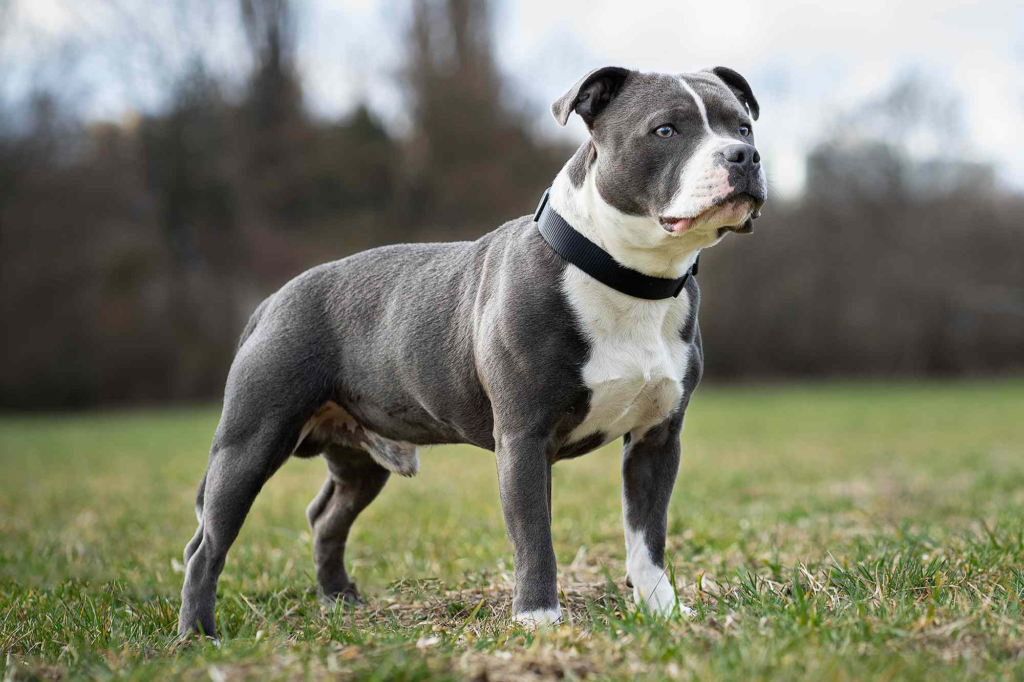
Further context emerged regarding why Johnston had been caring for the dog in the first place. According to statements presented during the hearing, the animal’s presence in its usual home had become a source of concern. Family members reportedly feared for the safety of children and a newborn, prompting requests for Johnston to take responsibility for the dog. The defence argued that he had accepted the animal in an effort to prevent potential harm elsewhere and had not anticipated the events that followed.
His defence lawyer described the incident as tragic and isolated, emphasising that Johnston had not intended for anyone to be injured and that he expressed remorse. The court was told that although he had prior convictions, none had occurred for more than a decade, and he was portrayed as a family man who struggled to comprehend the scale of suffering caused.
The judge, however, concluded that responsibility lay squarely with Johnston. In delivering the sentence of 27 months’ imprisonment, the court emphasised that the risk posed by the dog should have been clearly recognised. The failure to act on warnings or to implement sufficient safety measures meant that the attack could have been reasonably foreseen. In legal terms, this failure constituted a serious breach of duty.
The court’s remarks highlighted that knowledge of potential danger imposes a heightened obligation to prevent harm. Allowing a powerful animal access to an area from which it could escape, without ensuring absolute containment, represented a level of risk that the law does not tolerate.
Broader Implications of Responsibility and Risk
Beyond the individual case, the incident reflects wider concerns about public safety and the responsibilities associated with owning or supervising powerful dog breeds. While many dogs live peacefully in domestic settings, the law recognises that certain animals possess physical capabilities that can cause catastrophic injury if control is lost even briefly. This reality shapes legal expectations surrounding supervision, containment, and risk assessment.
In this instance, the court examined not only what happened but what could reasonably have been anticipated. The presence of previous concerns about the dog’s behaviour played a significant role. When individuals are aware that an animal may pose a threat, the standard of care required becomes more stringent. Precautions must account for the possibility of escape, equipment failure, or environmental factors that could compromise barriers.

The attack also demonstrated how quickly ordinary neighbourhood activity can transform into an emergency. A child playing outside, neighbours responding instinctively, and a passer-by stepping in to help all became part of a chain of events driven by a momentary lapse in control. The severity of the injuries underscored the speed and force with which such attacks can unfold.
The legal consequences serve as a reminder that responsibility extends beyond ownership. Anyone who assumes control of an animal, even temporarily, inherits the same duty to protect the public. This duty includes anticipating risks, responding to warnings, and ensuring that containment measures are reliable under all foreseeable conditions.
For the victims, the long-term impact extends beyond the immediate physical injuries. Recovery from severe dog bites often involves repeated medical treatment, rehabilitation, and psychological adjustment. Scarring, both physical and emotional, can persist long after legal proceedings conclude. The bravery of those who intervene during such incidents also highlights the risks faced by individuals acting in moments of crisis.
Cases like this frequently prompt discussion about preventive measures, including education on safe handling, secure fencing standards, and awareness of behavioural warning signs. While the legal system addresses accountability after harm occurs, the broader aim remains prevention.
In sentencing Johnston, the court emphasised foreseeability and responsibility rather than intent. The distinction is significant. Harm need not be deliberate for liability to arise; it is sufficient that the risk was known or should have been known, and that reasonable steps to prevent it were not taken. The outcome reinforces a consistent legal principle: when control of a dangerous situation rests with an individual, failure to manage that risk can carry serious consequences.
The events surrounding the attack continue to resonate as a reminder of the profound responsibilities attached to supervising animals capable of causing severe injury, and of the lasting effects when those responsibilities are not fully met.