
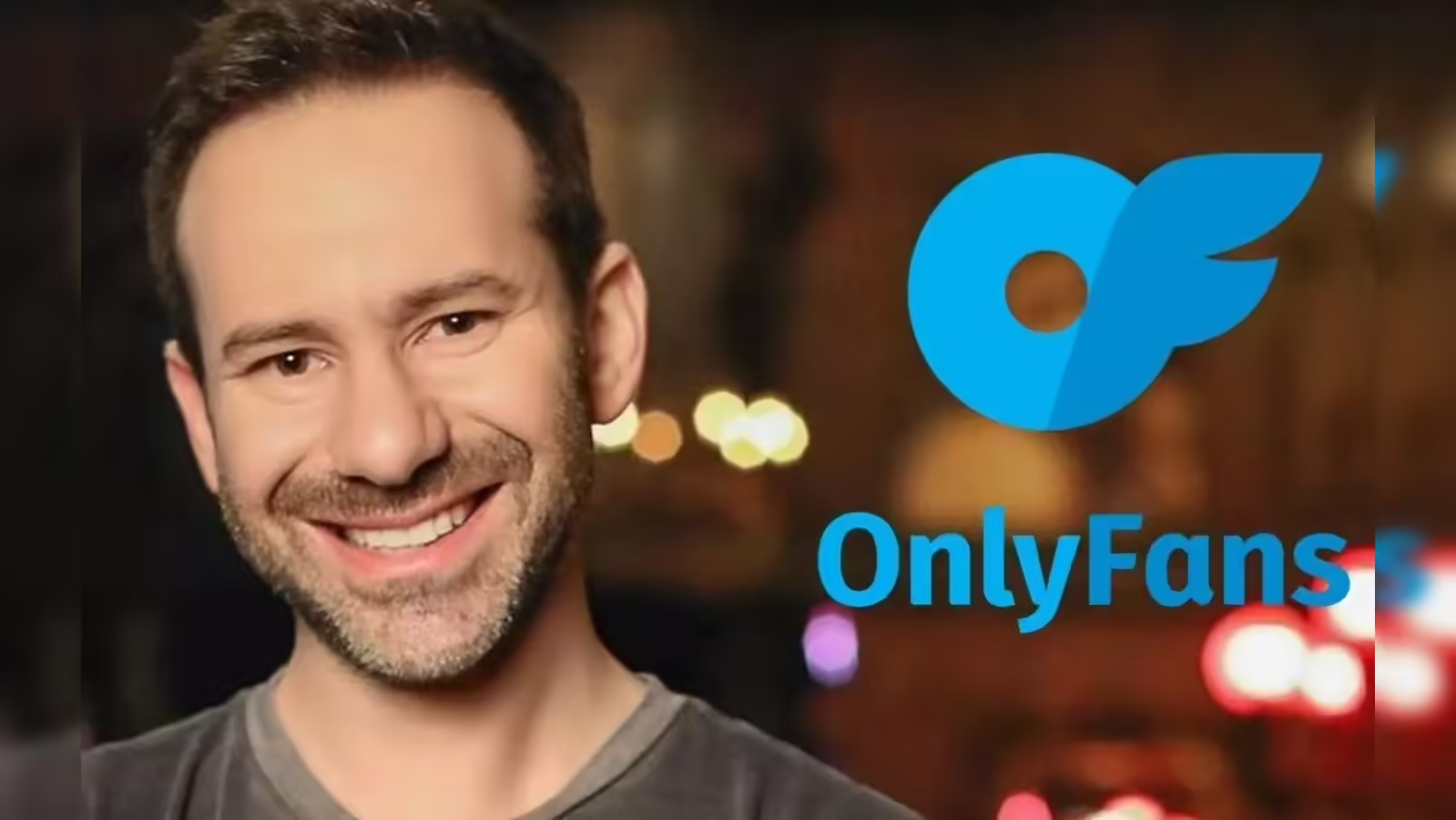
Leonid Radvinsky, a Ukrainian-born American entrepreneur and billionaire, emerged as one of the most influential yet private figures in the digital economy through his ownership of OnlyFans, a subscription-based content platform that reshaped online creator monetization. His sudden death at the age of 43 following a long and largely undisclosed battle with cancer has drawn attention not only to his business achievements but also to the quiet and unconventional path he followed in building a global digital empire.
Despite controlling one of the most talked-about platforms in the world, Radvinsky maintained an exceptionally low public profile, rarely appearing in media or making public statements, which only deepened the intrigue surrounding his life and career. Born in Ukraine and later becoming a US citizen, Radvinsky built his fortune in the digital content industry long before OnlyFans became a household name.
His journey reflects the evolution of internet entrepreneurship over the past two decades, particularly in sectors often considered controversial yet highly profitable. From founding early adult-content platforms to leading a company that capitalized on the rise of creator-driven economies during a global pandemic, his career illustrates a sharp understanding of internet trends, monetization models, and consumer behavior. His passing marks not only the loss of a tech billionaire but also the end of a unique chapter in the history of online business innovation.
Early Career and Rise in the Digital Content Industry
Leonid Radvinsky’s entrepreneurial journey began well before his association with OnlyFans, rooted in the early days of internet-based adult entertainment platforms. He founded MyFreeCams, a live webcam site that became widely known for enabling performers to interact directly with audiences in real time. This platform operated on a model that allowed creators to earn income directly from viewers through tips and subscriptions, a concept that would later become central to the success of OnlyFans.
During a period when the internet was still evolving as a commercial space, Radvinsky demonstrated a keen ability to identify profitable niches and scale them effectively. His ventures capitalized on the growing demand for personalized digital experiences, particularly in adult entertainment, where direct interaction between creators and consumers was increasingly valued.
Unlike traditional media companies, his platforms prioritized user engagement and monetization through decentralized participation, laying the groundwork for what would later become the broader creator economy. In addition to his involvement in adult-content platforms, Radvinsky also established a venture capital fund in 2009.
Read : Influencer and OnlyFans Star Nicole Pardo Molina Kidnapped at Gunpoint from Lilac Cybertruck
Through this initiative, he invested in technology companies, further diversifying his business interests and reinforcing his position as a forward-thinking entrepreneur. His investments were primarily focused on tech-driven opportunities, reflecting his deep understanding of digital infrastructure and innovation. Despite his success, he remained largely absent from public discourse, choosing to operate behind the scenes rather than cultivate a public persona.
Read : 70-Year-Old Sadhu Performing Tapasya in Circle of Fire for 3 Days Dies of Heat Stroke in UP
This approach to business—strategic, discreet, and highly focused—allowed him to grow his ventures without the scrutiny often faced by high-profile entrepreneurs. It also contributed to the mystique surrounding his life, as very little personal information was made available to the public. Even as his wealth and influence grew, Radvinsky continued to avoid media attention, a rare characteristic in an era where many business leaders actively seek visibility.
Acquisition of OnlyFans and Expansion During the Pandemic
In 2018, Leonid Radvinsky acquired Fenix International Limited, the parent company of OnlyFans, marking a turning point in his career. At the time, OnlyFans was still a relatively niche platform founded in 2016 by British entrepreneur Tim Stokely. It operated on a subscription-based model that allowed creators to share exclusive content with paying subscribers. While initially gaining traction among fitness trainers, musicians, and influencers, the platform would soon become synonymous with adult content, largely due to its flexible policies and direct payment structure.
Under Radvinsky’s ownership, OnlyFans experienced rapid growth, particularly during the COVID-19 pandemic. As lockdowns forced people to stay indoors and seek alternative sources of income, many turned to digital platforms to monetize their content. OnlyFans became one of the most prominent beneficiaries of this shift, providing a space where creators could connect directly with audiences and earn money without intermediaries.
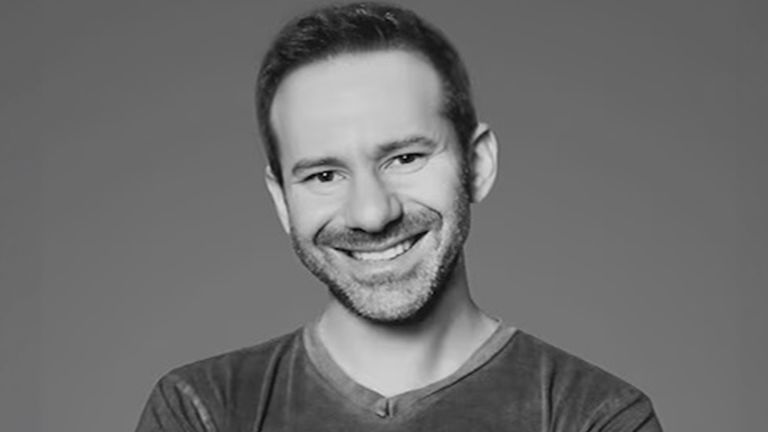
The platform’s user base and revenue surged during this period, transforming it into a global phenomenon. For many creators, it offered financial independence and control over their content, while for consumers, it provided access to personalized and exclusive material. Radvinsky’s decision to invest in and expand the platform at the right time proved to be a defining moment, significantly increasing its valuation and his personal wealth.
Despite the platform’s controversial reputation due to its association with adult content, OnlyFans also hosted a wide range of creators across various fields, including fitness, cooking, music, and art. This diversity contributed to its widespread appeal and demonstrated the versatility of its business model. Radvinsky’s leadership ensured that the platform maintained its core focus on creator empowerment and direct monetization, even as it faced regulatory challenges and public scrutiny.
Throughout this period, Radvinsky remained largely invisible, rarely commenting on the company’s growth or strategy. His role as the majority shareholder and director of Fenix International positioned him as the key decision-maker behind the scenes, yet he continued to avoid public appearances and interviews. This level of privacy was unusual for someone overseeing a platform of such global prominence, further reinforcing his reputation as an enigmatic figure in the tech world.
Personal Life, Philanthropy, and Legacy
Leonid Radvinsky’s personal life was characterized by the same level of privacy that defined his professional career. Very little was publicly known about his family, daily life, or personal interests. Even his battle with cancer, which ultimately led to his death, was kept out of the public eye. This decision to maintain strict privacy extended to his final days, with only a brief statement released confirming that he had passed away peacefully after a prolonged illness.
Despite his low profile, Radvinsky was known to be actively involved in philanthropy, particularly in the field of medical research. Reports indicate that he and his wife were significant contributors to a $23 million grant program dedicated to cancer research through a gastrointestinal research foundation. This involvement suggests a personal connection to the cause, although details remain limited due to his preference for discretion.
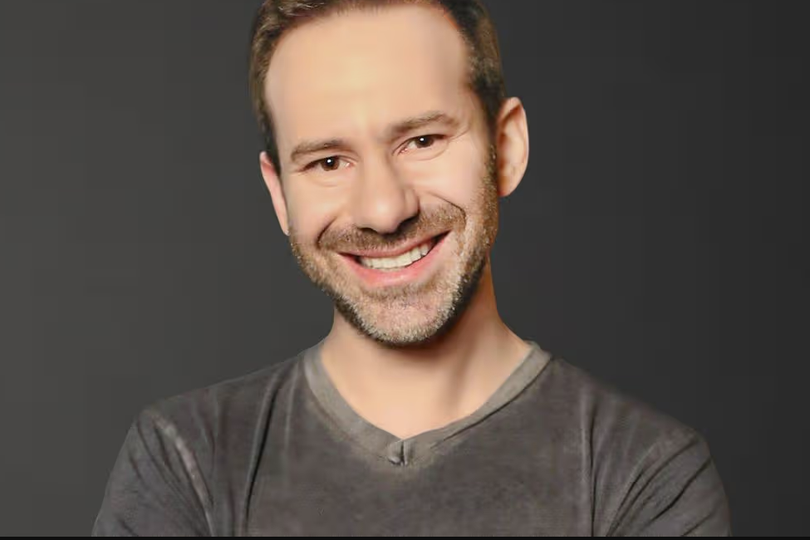
His philanthropic efforts highlight another dimension of his legacy, one that contrasts with the often controversial nature of his business ventures. By supporting medical research, Radvinsky contributed to advancements that could benefit countless individuals, demonstrating a commitment to social impact beyond the digital economy. This aspect of his life, though less publicized, adds depth to his overall narrative and underscores the complexity of his character.
Radvinsky’s death at the age of 43 represents a significant loss in the tech and digital media industries. His influence on the evolution of online content platforms is undeniable, particularly in shaping how creators monetize their work and interact with audiences. Through OnlyFans and his earlier ventures, he played a pivotal role in redefining the boundaries of digital entrepreneurship, challenging traditional business models and embracing the possibilities of a rapidly changing internet landscape.
His legacy is likely to endure through the continued success of the platforms he built and the impact they have had on the creator economy. While opinions on his work may vary, there is little doubt that Radvinsky was a visionary entrepreneur who understood the dynamics of online engagement and monetization better than most. His ability to identify emerging trends and capitalize on them with precision set him apart as a leader in his field.
As the digital world continues to evolve, the influence of figures like Leonid Radvinsky will remain evident in the structures and opportunities available to creators worldwide. His life story, marked by innovation, discretion, and a profound understanding of internet culture, serves as a reminder of the diverse paths that can lead to success in the modern economy.