
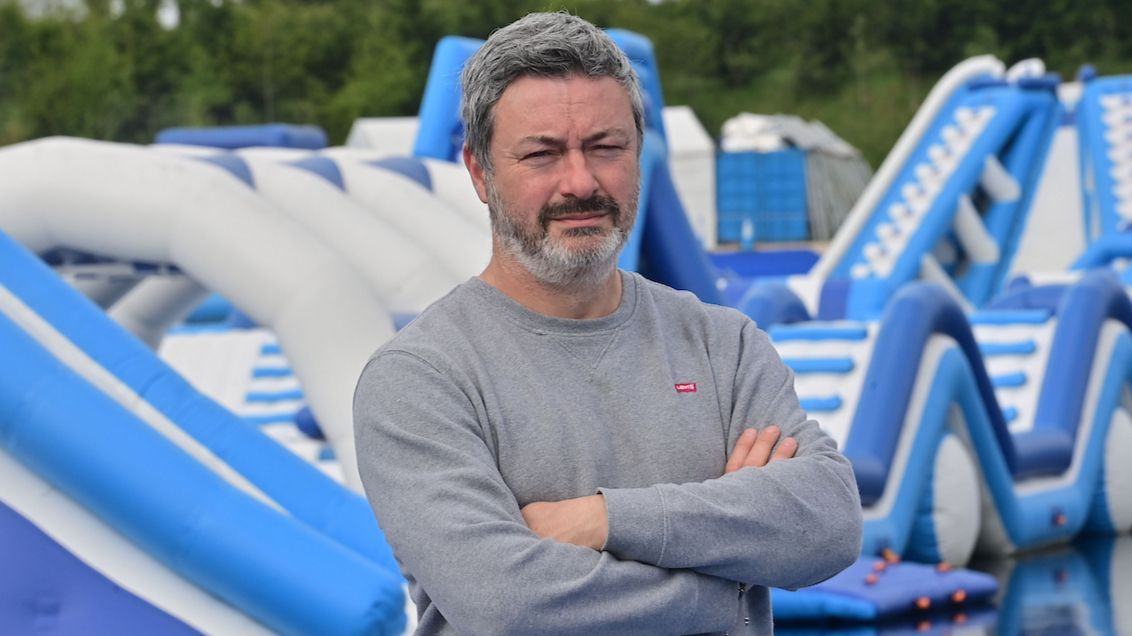
A growing safety concern at a popular outdoor activity centre in Northern Ireland has prompted a dramatic warning from its owner. Pete Boyle, the founder of the water park known as Let’s Go Hydro in Carryduff, has said he may drain the facility’s lake if young trespassers continue to enter the water at night. His statement follows repeated incidents over several recent weekends in which children and teenagers have climbed over security fencing and swum in the lake after hours. The situation has raised serious concerns about water safety, liability, and the responsibility of facility operators when individuals enter restricted areas without permission.
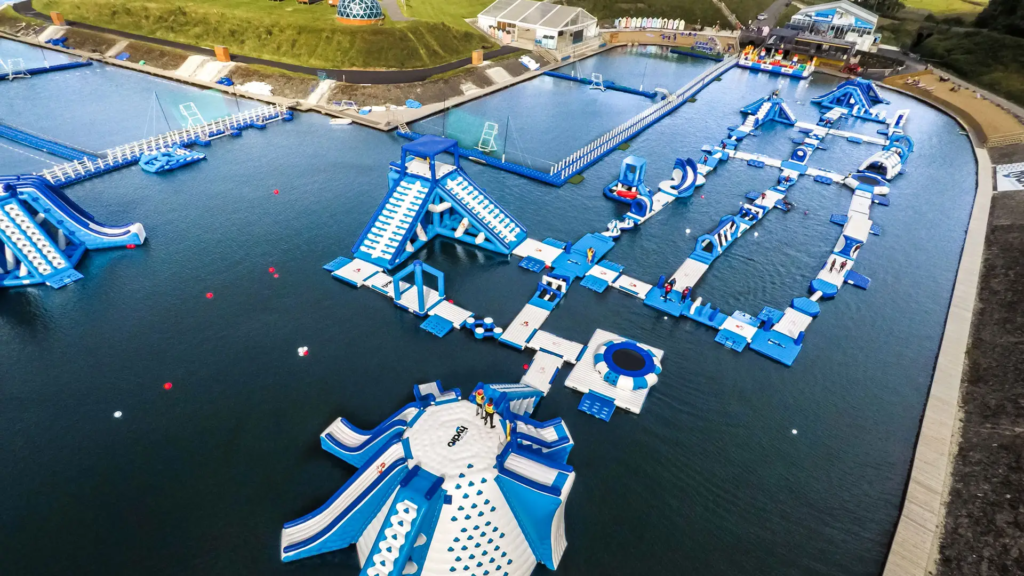
The lake is normally used for regulated water sports and recreational activities during operating hours, when lifeguards are present and visitors are required to wear safety equipment such as life jackets. However, when the facility is closed, none of those safeguards are in place. Boyle has explained that the thought of someone drowning in the lake despite the precautions taken by the park weighs heavily on him. The possibility of a tragedy occurring during an unauthorized nighttime swim has led him to consider drastic action to eliminate the risk entirely.
The issue highlights a broader challenge faced by recreational facilities that maintain natural or semi-natural water bodies. Even when strict security measures are implemented, determined trespassers can sometimes find ways to gain entry. In this case, the lake’s appeal as a place to swim during warm evenings appears to be drawing young people despite the dangers involved. Authorities and community representatives have begun encouraging families to discuss water safety with children and to reinforce the risks associated with entering restricted areas at night.
Rising Concern Over Nighttime Trespassing
The incidents that triggered Pete Boyle’s warning have taken place over the past several weekends, with groups of young people reportedly entering the property during evening hours. According to the owner, the trespassers typically arrive around 8:00 p.m. and remain at the lake until close to midnight. These nighttime visits occur well after the park has closed for the day, meaning that there are no staff members supervising the area and no emergency response systems in place.
Despite substantial investments in security infrastructure, preventing access has proven challenging. The water park recently spent approximately £30,000 installing fencing around the lake in an effort to deter unauthorized entry. The facility also uses CCTV monitoring along with other security measures designed to protect the site when it is closed. However, the continued incidents suggest that determined individuals have still managed to climb over barriers and reach the water.
For Boyle, the persistence of these trespassing incidents has created a significant moral and legal dilemma. While the individuals entering the property are doing so without permission, he believes that a serious accident would still weigh heavily on him as the owner of the site. The fear that someone might drown in the lake, even after multiple safety precautions have been implemented, has reportedly left him unable to sleep comfortably at night.
He has openly expressed the emotional toll the situation has taken, describing the anxiety of potentially receiving a phone call informing him that someone has died in the water. From his perspective, removing the lake entirely may be the only way to eliminate the possibility of such an event. Although draining the lake would dramatically affect the operations of the water park, Boyle has suggested that preventing a fatal incident must take priority over maintaining the attraction.
The Police Service of Northern Ireland has confirmed that it is aware of the reports involving children entering the outdoor activity facility after hours. While authorities have not publicly detailed any enforcement actions related to the incidents, the acknowledgement of the problem reflects growing concern among both officials and the local community.
Read : Robot Throws Itself Down the Stairs in South Korea: First Robot Suicide Case in the World
Trespassing at recreational facilities is not uncommon, particularly when locations contain features that may appear appealing or adventurous to young people. Lakes, swimming areas, and water parks often attract attention during warm evenings or weekends. However, the absence of trained personnel and safety equipment during off-hours transforms these environments into potentially dangerous spaces.
Safety Risks of Cold Water and Unsupervised Swimming
The greatest concern surrounding the nighttime swimming incidents is the danger posed by the lake itself, particularly during colder periods of the year. Boyle has explained that the water temperature recently measured around eight degrees Celsius, which is considered extremely cold and capable of triggering rapid physiological reactions in the human body.
Cold water immersion presents multiple risks, including cold shock, loss of muscle control, and hypothermia. When a person suddenly enters very cold water, the body can react with an involuntary gasp reflex and rapid breathing. If this occurs while the head is submerged or if the swimmer is unprepared, it can lead to immediate inhalation of water and drowning. Even strong swimmers can struggle to maintain control in such conditions.
Beyond the initial cold shock, prolonged exposure to frigid water can lead to a rapid drop in body temperature. Hypothermia can impair physical coordination, reduce the ability to swim effectively, and cause confusion or unconsciousness. In an unsupervised environment without rescue equipment or trained lifeguards, these risks become far more severe.
Boyle has warned that the lake becomes particularly hazardous at night and during winter conditions. Darkness reduces visibility both in and around the water, making it difficult for swimmers to judge distances or identify hazards. If someone were to get into trouble, friends nearby might not be able to see or reach them quickly enough to provide assistance.
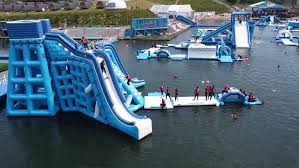
Another factor increasing the danger is the absence of rescue infrastructure during these unauthorized visits. When the park is operating normally, lifeguards monitor the lake and enforce safety protocols. Participants wear life jackets and receive guidance about how to safely take part in water sports activities. These measures significantly reduce the risk of accidents during official use.
However, when individuals climb over the fence after closing hours, none of those protections are present. There are no lifeguards to monitor swimmers, no life jackets available, and no emergency procedures being actively managed. Boyle has emphasized that in such circumstances there may be “no way of rescue” if someone encounters difficulty in the water.
The owner’s concerns reflect a broader understanding among water safety experts that unsupervised swimming is one of the leading contributors to drowning incidents. Natural lakes, reservoirs, and other open water bodies often have uneven depths, submerged obstacles, and unpredictable temperature variations. Without proper preparation and supervision, swimmers may quickly find themselves in dangerous situations.
The contrast between the lake’s controlled daytime use and its hazardous nighttime conditions illustrates how context can dramatically change the safety profile of a recreational site. What is considered safe during regulated activities can become life-threatening when accessed without oversight.
Community and Political Response
The concerns raised by Boyle have prompted responses from local political representatives and community leaders who share worries about the safety of young people entering the lake at night. Several public figures have urged parents and guardians to speak with children about the dangers associated with trespassing and unsupervised swimming.
Among those addressing the issue is a member of the Northern Ireland Assembly representing the Belfast South area. She described the safety of children as a matter of paramount importance and encouraged young people to act sensibly when confronted with potentially risky situations. According to her comments, activities that may appear harmless or exciting can quickly become dangerous when safety measures are absent.
Read : Thomas & Turner Boutique Owner Pamela Brooke Schronce Arrested for 12th Time
The timing of the nighttime swimming incidents has been highlighted as an additional concern. When the lake is accessed late in the evening, emergency assistance may be slower to reach the area if something goes wrong. The lack of nearby staff or immediate responders could significantly increase the severity of an accident.
Community representatives have emphasized that preventing such situations requires cooperation from families as well as local authorities. Parents are being encouraged to discuss water safety openly with their children and explain why entering restricted areas, particularly those containing bodies of water, can lead to serious consequences.
Local councillors have also expressed support for efforts aimed at stopping the trespassing incidents. One councillor noted that engagement between the facility owner, community organizations, and local authorities may help identify practical solutions to discourage young people from accessing the lake after hours. Collaborative approaches could include community awareness campaigns, additional monitoring, or outreach programs focused on water safety education.
Another councillor stressed the extreme danger posed by nighttime swimming in cold water, stating that the community does not want to see anyone lose their life in circumstances that could have been avoided. His remarks reflect a broader sentiment that while recreational facilities play an important role in providing entertainment and physical activity opportunities, safety must remain the highest priority.
The debate surrounding the possible draining of the lake has therefore evolved into a wider conversation about responsibility and prevention. On one side is the facility owner’s determination to avoid a tragedy at any cost, even if it means removing a central feature of the park. On the other side is the recognition that community awareness and responsible behaviour could prevent the need for such drastic measures.
At its core, the situation underscores the challenges faced by operators of recreational water facilities who must balance accessibility with strict safety requirements. When individuals ignore boundaries and enter restricted areas, the consequences can extend far beyond the immediate risk to those involved. The burden of responsibility often falls on property owners, local authorities, and emergency services that must respond if an incident occurs.
As discussions continue within the community, the hope among many residents and officials is that the warnings issued by Boyle and others will discourage further nighttime swimming attempts. Increased awareness of the dangers posed by cold water, darkness, and lack of supervision may ultimately prove more effective than physical barriers alone in preventing accidents.
Trying to log into Jili666 can be a bit of a hassle sometimes. Hopefully, this link makes it easier for everyone. Easy Jili access jili666login