

A labor and delivery nurse at a major South Florida hospital has been fired after a TikTok video circulated online in which she made graphic and violent comments about White House Press Secretary Karoline Leavitt, who recently announced she is pregnant. The video, which spread rapidly across social media platforms before being set to private, triggered swift backlash from the public, elected officials, and the healthcare system that employed the nurse.
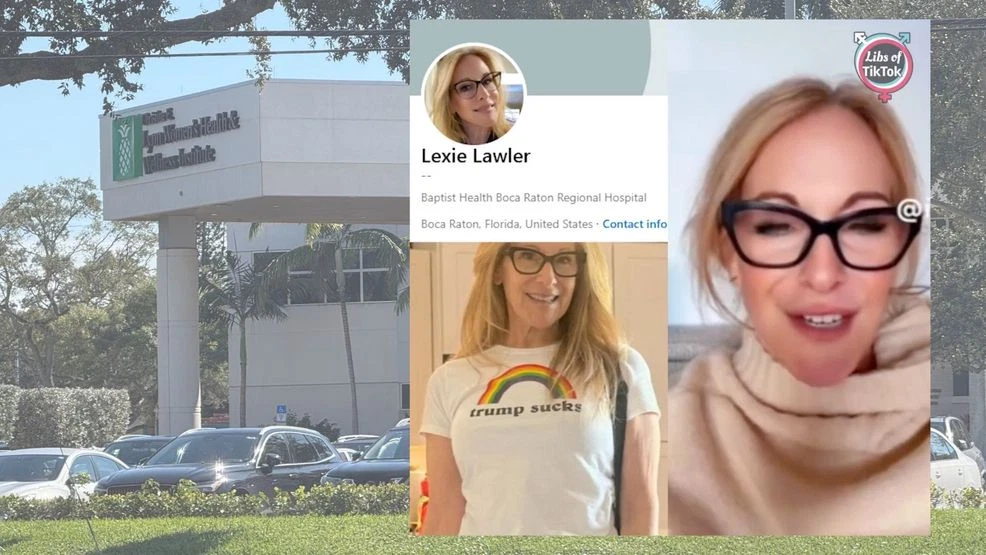
The incident has drawn national attention not only because of the explicit nature of the remarks but also because they were made by a medical professional trained to care for pregnant patients during one of the most vulnerable moments of their lives. As the controversy unfolded, it raised broader questions about professional conduct, social media accountability, and the expectations placed on healthcare workers in the digital age. The woman at the center of the controversy has been identified as Alexis “Lexie” Lawler, who worked as a labor and delivery nurse at Baptist Health Boca Raton Regional Hospital.
In the video, Lawler is heard using profane and graphic language to say it would give her “great joy” if Leavitt were to suffer a fourth-degree tear during childbirth, the most severe form of obstetric tearing. Such injuries extend through the vaginal tissue, perineal muscles, and into the anal sphincter, often resulting in long-term or permanent complications. The severity of the medical harm referenced, combined with Lawler’s professional background, amplified public outrage and led to immediate calls for accountability.
Who Is Lexie Lawler and What Is Known About Her Professional Background
Alexis “Lexie” Lawler was employed as a labor and delivery nurse at Baptist Health Boca Raton Regional Hospital, part of the Baptist Health South Florida system. Labor and delivery nurses play a critical role in maternal healthcare, assisting patients throughout childbirth, monitoring both maternal and fetal well-being, and responding quickly to complications during labor. The role requires not only advanced clinical skills but also a high level of emotional intelligence, compassion, and professionalism.
Before the video surfaced, Lawler was not a nationally known figure. Her online presence appeared to be personal in nature, using TikTok as a platform to share opinions and commentary. According to widely shared screenshots and reposts, the video in question was recorded and uploaded to her personal TikTok account. While the account was later set to private, the content had already been captured and disseminated across other platforms, including X, where it was amplified by the popular account Libs of TikTok.
Publicly available information indicates that Lawler worked directly with pregnant patients, making her comments particularly alarming to many observers. Labor and delivery nurses are often entrusted with intimate aspects of patient care and are expected to advocate for patient safety and dignity regardless of personal beliefs. The notion that a nurse would publicly wish severe childbirth-related harm on a pregnant woman—especially one who holds a high-profile public office—led many to question her judgment and fitness for the profession.
Meet Lexie Lawler, a labor and delivery nurse at Baptist Health Boca Raton Regional Hospital (@BaptistHealthSF). She says she hopes Press Secretary Karoline Leavitt suffers a severe 4th-degree tear during childbirth and has medical complications.
— Libs of TikTok (@libsoftiktok) January 22, 2026
"I hope you f*cking rip from bow… pic.twitter.com/rBFzcpFsxM
Images circulating online also showed Lawler wearing a shirt featuring a rainbow graphic and a political message critical of President Donald Trump. While political expression is protected in many contexts, critics argued that the combination of overt political messaging and violent rhetoric aimed at a political figure blurred the line between personal expression and professional responsibility. Supporters of the hospital’s decision emphasized that the termination was not about political views but about language and conduct that appeared incompatible with the ethical standards of healthcare.
The TikTok Video, Public Backlash, and the Medical Implications of the Comments
The video that triggered the controversy featured Lawler speaking directly to the camera, using explicit language to express hostility toward Karoline Leavitt. In the clip, she referenced a fourth-degree obstetric tear, a term familiar to professionals in maternal health but alarming to the general public once its severity became widely explained. Fourth-degree tears are rare but serious complications that can occur during vaginal delivery, often requiring surgical repair and potentially leading to chronic pain, incontinence, and other long-term health issues.
Medical professionals and advocacy groups were quick to point out that joking about or wishing such harm trivializes serious medical trauma that many women experience. For a labor and delivery nurse to invoke this specific injury as a form of insult or political expression struck many as especially troubling. The comments were seen not only as violent in nature but also as undermining trust in the healthcare system, particularly among pregnant patients who rely on medical staff for support and safety.
Read : Convicted Baby Killer Nurse Lucy Letby Lands ‘Top’ Prison Librarian Job at HMP Bronzefield
Once the video began circulating, social media users across the political spectrum condemned the remarks. While some defended Lawler’s right to free speech, many argued that freedom of expression does not shield individuals from professional consequences, especially when their speech suggests a lack of compassion or impartiality in patient care. The backlash intensified as the nurse’s employer and local officials became aware of the video.
Boca Raton Mayor Scott Singer publicly addressed the situation, stating that he contacted hospital leadership shortly after learning about the video. In a post on social media, Singer confirmed that Lawler was no longer employed at the hospital and described the comments as having no place in medicine or the community. His involvement underscored the level of concern the incident generated at the local government level, even though the remarks were made in a personal capacity online.
The amplification of the video by Libs of TikTok played a significant role in accelerating the controversy. The account, known for highlighting and criticizing progressive or controversial content, shared the clip with its large following, ensuring rapid dissemination beyond Lawler’s original audience. This amplification contributed to the swift response from hospital leadership and public officials, demonstrating how quickly online content can escalate into real-world consequences.
Hospital Response, Professional Standards, and Broader Implications for Healthcare Workers
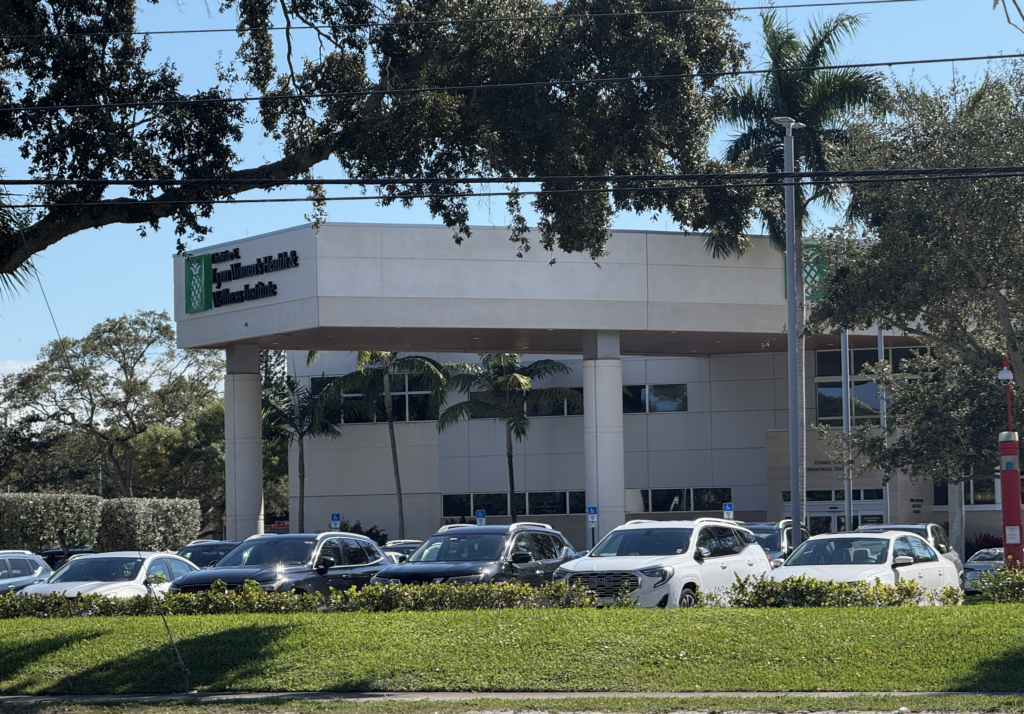
Baptist Health confirmed that Lawler was no longer employed by the health system following what it described as a prompt review. In an official statement, the hospital emphasized that the comments made in the video did not reflect its values or the standards expected of healthcare professionals. While acknowledging that employees have the right to personal opinions, the statement stressed that there is no place in healthcare for language or behavior that calls into question a caregiver’s ability to provide compassionate, unbiased care.
Read : Nurse Heather Thompson Fatally Shoots Two Sons and Grandmother in Quadruple Murder-Suicide
The hospital’s response highlighted a key issue facing modern healthcare institutions: balancing employees’ rights to personal expression with the need to maintain public trust and uphold ethical standards. Healthcare professionals are often held to higher expectations because their work involves vulnerable populations and life-altering decisions. Public statements that suggest hostility or harm toward specific groups or individuals can erode confidence in the care they provide, even if those statements are made outside the workplace.
Legal experts have noted that private employers generally have broad discretion to discipline or terminate employees for conduct that violates workplace policies or damages the organization’s reputation. In this case, the hospital framed its decision around professional standards rather than political content, a distinction that may be significant in avoiding claims of discrimination or retaliation based on viewpoint.
The incident has also sparked renewed discussion within the medical community about social media use. Many healthcare systems have policies governing online behavior, reminding staff that their public posts can reflect on their employer and profession. Training programs increasingly include guidance on digital professionalism, emphasizing that even personal accounts can be perceived as extensions of one’s professional identity.
For patients, particularly those who are pregnant or considering childbirth, the episode has been unsettling. Trust between patients and healthcare providers is foundational, and incidents like this can create anxiety about whether caregivers will treat all patients with respect and empathy. Some patient advocates have called for stronger oversight and clearer communication from healthcare institutions about how they ensure professional conduct among staff.
At the same time, the controversy has underscored the power of social media to both expose and magnify behavior that might previously have gone unnoticed. A single video recorded in a private setting can rapidly reach a global audience, prompting institutional responses within hours. For healthcare workers and other professionals, the case of Lexie Lawler serves as a high-profile example of how online speech can intersect with professional accountability in unexpected and far-reaching ways.
As the story continues to circulate, it remains a point of reference in broader debates about ethics, free speech, and professionalism. While Lawler’s employment status has been resolved, the questions raised by the incident about digital conduct and the responsibilities of healthcare professionals are likely to persist, shaping discussions in hospitals, nursing programs, and regulatory bodies well beyond Boca Raton.
References:
Slot machine manufacturers
References:
https://atomcraft.ru/user/brokercornet9/
References:
Casino drive
References:
https://www.mixcloud.com/librabeech17/
References:
Is winstrol legal
References:
https://gitea.zachl.tech/mickeyfrazier1/mickey1999/wiki/Clenbuterol-f%C3%BCr-Muskelaufbau-%26-Abnehmen-Gratis-Trainingsplan
References:
Buy injection steroids online
References:
https://iamtube.jp/@titusdenning9?page=about