
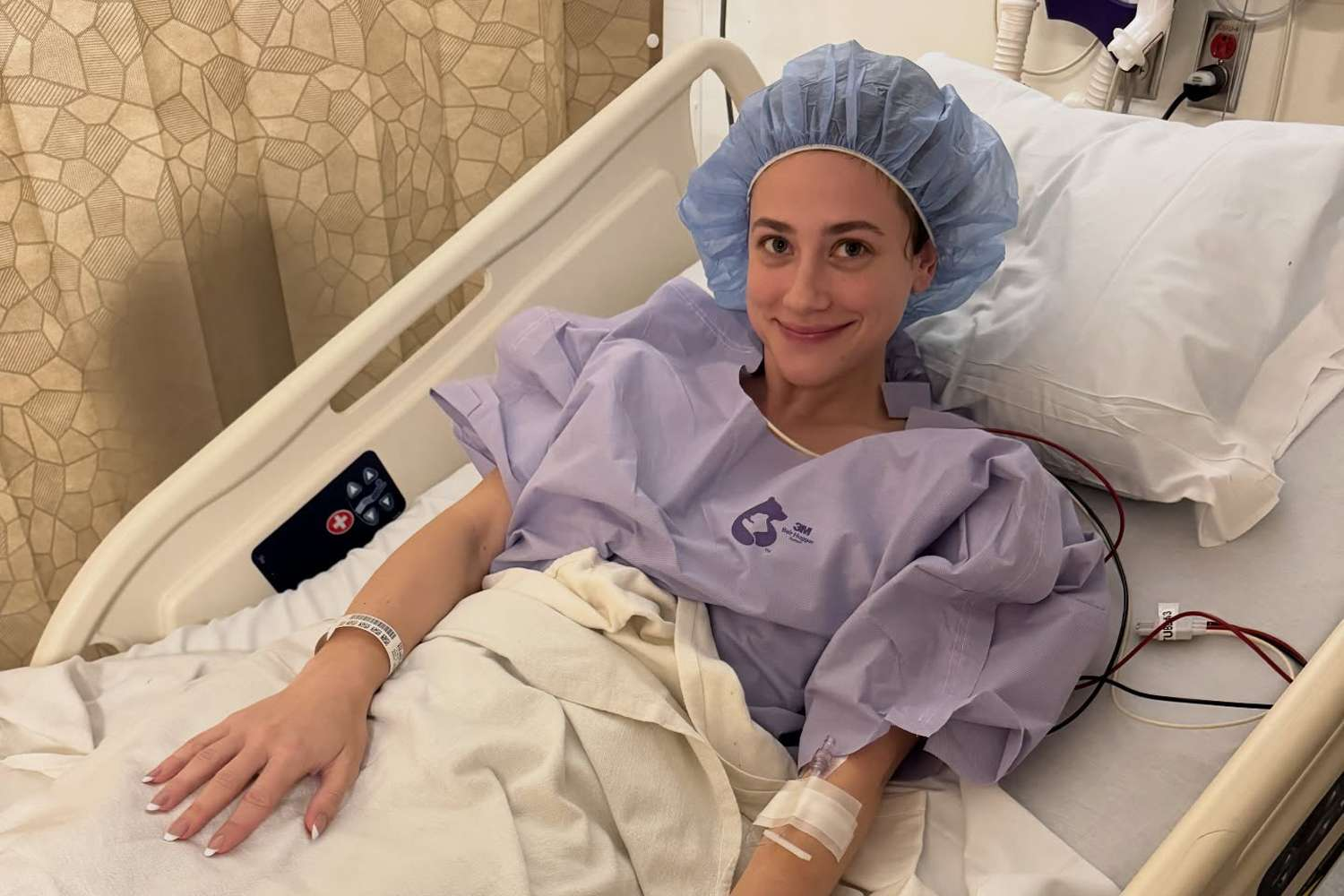
Lili Reinhart, best known for her role as Betty Cooper on Riverdale, has revealed that she was recently diagnosed with endometriosis after a prolonged and difficult journey through the healthcare system. At just 29 years old, the actress shared that her chronic pain was repeatedly dismissed by medical professionals, delaying a diagnosis that ultimately required surgical confirmation.
Her disclosure, made through a series of Instagram posts in December, has drawn widespread attention not only because of her celebrity status but also because it reflects a broader and well-documented pattern of delayed diagnosis and misunderstanding surrounding endometriosis. Reinhart’s account offers a detailed look into the challenges of navigating persistent symptoms, conflicting medical opinions, and the emotional toll of not being believed, while also shedding light on the clinical realities of a condition that affects millions worldwide.
A long medical journey marked by dismissal and misdiagnosis
Lili Reinhart explained that her diagnosis came only after years of unresolved symptoms and numerous medical consultations. Over the past year, she sought help from multiple specialists, including urologists and gynecologists, in an effort to understand the source of her pain. At one point, she was diagnosed with interstitial cystitis, a chronic bladder condition characterized by pelvic pain and urinary discomfort. According to Reinhart, she was told there was no cure and little prospect for long-term relief, a conclusion that did not fully account for the severity or persistence of her symptoms.
Despite three hospital visits and consultations with several doctors, endometriosis was not initially considered as a possible underlying cause. Reinhart noted that it was only after working with two different pelvic floor therapists that the possibility of endometriosis was first raised. This moment proved to be a turning point, highlighting how allied health professionals, rather than physicians, introduced a diagnosis that had previously been overlooked.
Determined to pursue further clarity, Reinhart advocated for herself by requesting an MRI, a step she said she had to push for independently. The imaging results led to the identification of adenomyosis, a form of endometriosis in which endometrial tissue grows into the muscular wall of the uterus. While adenomyosis is related to endometriosis, it is often harder to diagnose and can coexist with more widespread disease. Reinhart subsequently consulted an endometriosis specialist, who discussed treatment options with her and supported her decision to undergo laparoscopic surgery.
📱 Lili Reinhart via Instagram stories. 🤕 pic.twitter.com/jdyQt0a0gf
— Lili Reinhart Online (@FRLiliReinhart) December 11, 2025
At the same time, Reinhart encountered conflicting medical advice. She disclosed that another gynecologist suggested she likely did not have endometriosis and recommended managing her symptoms with hormonal birth control instead. This divergence in professional opinions underscores the diagnostic complexity of endometriosis and the lack of consensus that many patients face. Ultimately, Reinhart chose to proceed with surgery, a decision that resulted in definitive confirmation of the condition.
The diagnosis, surgery, and emotional validation
Reinhart shared images from her hospital stay following laparoscopic surgery, including photos showing her abdomen after the procedure. In accompanying captions, she described the emotional weight of finally receiving a diagnosis that explained her pain. She recalled asking her doctor immediately after surgery whether endometriosis had been found, and described feeling an overwhelming sense of validation when the answer was yes.
Read : American Pie Actress Tara Reid Hospitalized After Claiming Drink Was Spiked at Chicago Hotel Bar
This sense of relief was not simply about naming a condition, but about having her lived experience acknowledged after years of doubt. Reinhart wrote that she was glad she trusted her body and listened to her instincts, emphasizing that she plans to continue encouraging others to do the same. One of the images she shared included a handwritten message stating, “Believing women’s pain shouldn’t be REVOLUTIONARY,” a statement that resonated widely across social media. She also tagged the Endometriosis Foundation of America, aligning her personal story with broader advocacy efforts.

In her posts, Reinhart included educational context about the condition, noting that endometriosis is frequently misunderstood and often takes between four and eleven years to diagnose definitively through surgery. She cited estimates from the World Health Organization indicating that approximately one in ten people with uteruses are affected by endometriosis. These statistics underscore how common the condition is, despite its frequent underrecognition in clinical settings.
Reinhart also shared a hospital selfie on her Instagram Stories, explaining that she wanted to capture what she described as a moment of post-surgery validation. The image, taken while she was recovering, symbolized the culmination of years spent seeking answers. For Reinhart, the diagnosis represented not only a medical outcome but also confirmation that her persistence and self-advocacy were justified.
Why Reinhart’s story reflects a wider issue in women’s healthcare
Earlier in the year, Reinhart had spoken openly about struggling with an undiagnosed chronic illness and the uncertainty that accompanied it. At the time, she explained that her determination to advocate for her own health was deeply influenced by her family history. She shared that her grandmother experienced months of dismissal by doctors despite showing clear signs of cancer, and that it was only after persistent self-advocacy that appropriate testing was conducted. By then, Reinhart said, the cancer had already spread.
This experience left a lasting impression and reinforced her belief in the necessity of questioning medical conclusions that do not align with one’s symptoms. Reinhart’s recent diagnosis places her among a growing number of public figures who have chosen to speak candidly about living with endometriosis. Celebrities such as Bindi Irwin, Lena Dunham, Halsey, Julianne Hough, Amy Schumer, and Padma Lakshmi have also shared their experiences, contributing to increased public awareness of the condition.

While celebrity stories do not replace clinical data, they often draw attention to systemic patterns that might otherwise remain overlooked. Endometriosis is characterized by the growth of tissue similar to the uterine lining outside the uterus, leading to inflammation, scarring, and chronic pain.
Symptoms can vary widely and may include severe menstrual cramps, pelvic pain, pain during intercourse, and fertility challenges. Because these symptoms overlap with those of other conditions and because pain is often normalized or minimized, many patients experience significant delays before receiving an accurate diagnosis. Surgical intervention, typically through laparoscopy, remains the gold standard for confirmation, further contributing to delays when less invasive tests fail to provide clear answers.
Reinhart’s account illustrates how these systemic challenges play out in real life, even for someone with access to specialized care and resources. Her experience underscores the importance of patient advocacy, interdisciplinary care, and continued research into better diagnostic tools and treatment options. While her story is deeply personal, it also aligns with ongoing conversations in medicine about gender bias, pain management, and the need for greater awareness of conditions that predominantly affect women.
By sharing her journey publicly, Reinhart has added a high-profile voice to discussions about endometriosis and the broader issue of believing patients when they report pain. Her experience, grounded in specific medical encounters and outcomes, reflects a reality faced by millions and highlights the persistent gaps between symptoms, diagnosis, and effective care.
Finding a reliable link to 12bet can be a pain, but linkvao12bet seems legit. Easy access, no issues so far. Give it a shot! Check it out: linkvao12bet