
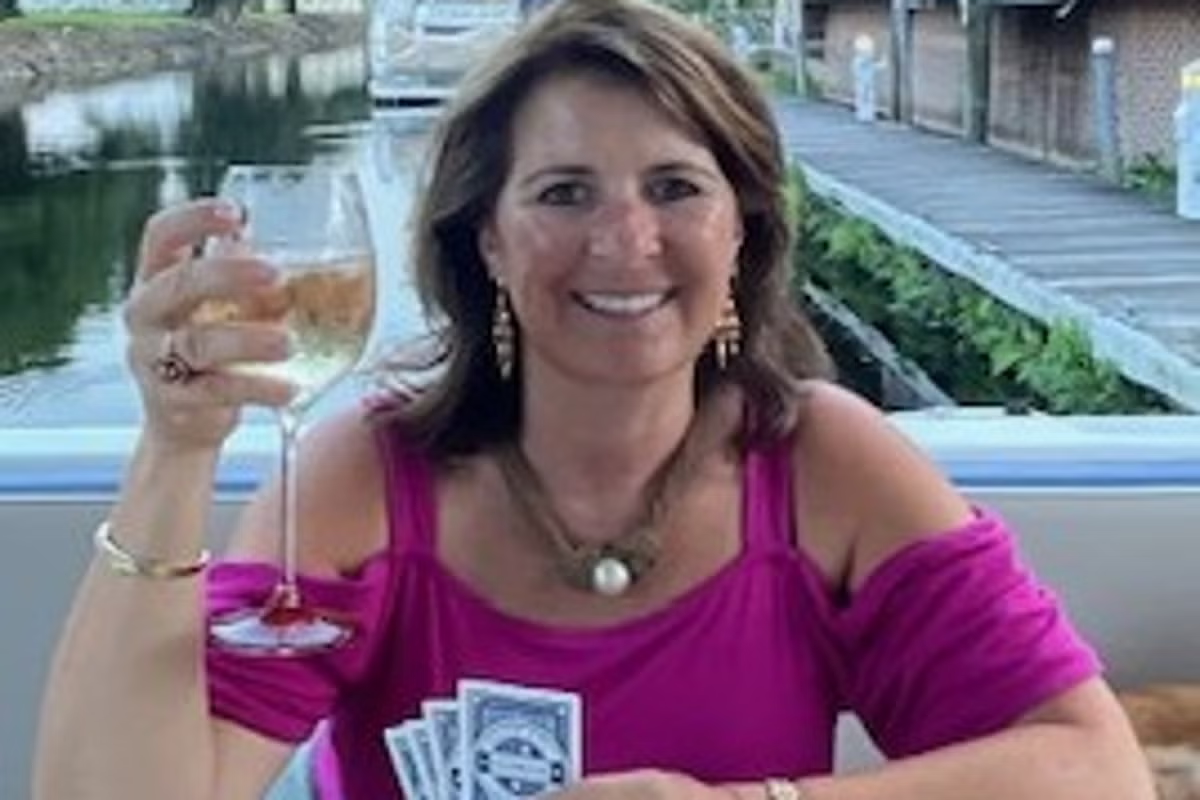
In a poignant blend of wit and wisdom, Linda Brossi Murphy’s self-penned obituary has captured hearts across the internet following her death from bulbar-onset amyotrophic lateral sclerosis (ALS) on September 21, 2025. At just 60 years old, the Framingham, Massachusetts, resident left behind a document that defies the somber conventions of traditional farewells.
Instead of mournful tones, Murphy’s words burst with humor, gratitude, and unfiltered candor, declaring her demise as a case of “FOMO due to complications of Bulbar ALS.” Published by McCarthy, McKinney & Lawler Funeral Home, the obituary quickly spread through social media and news outlets, amassing thousands of shares and sparking conversations about living fully amid terminal illness. As tributes pour in, Murphy’s final message stands as a testament to her indomitable spirit.
A Life Defined by Laughter, Family, and Unyielding Strength
Linda Brossi Murphy was born on March 7, 1965, in Boston to David and Patricia Brossi, growing up in the close-knit community of Framingham. Her early years were marked by a strong Catholic education at St. Bridget’s School and Marian High School, followed by a degree from Assumption University in 1987. After graduation, she briefly served as a nursing home administrator before embracing full-time motherhood with the birth of her first son, David Jr. Over the next few years, she welcomed two more sons, Doug and Adam, into the world, dedicating herself to raising a family that would become the cornerstone of her joy.
In 2000, Murphy transitioned into the family real estate business, where she thrived until her ALS diagnosis. Her professional life, however, was no stranger to adversity. Twelve years prior to her ALS battle, she confronted breast cancer with the same fierce determination that defined her character. Undeterred, she continued working through treatments and emerged victorious, channeling her experience into a memoir titled “F Off Cancer.” The book, self-published and raw in its honesty, detailed her journey with humor and defiance, earning quiet acclaim among readers facing similar trials.
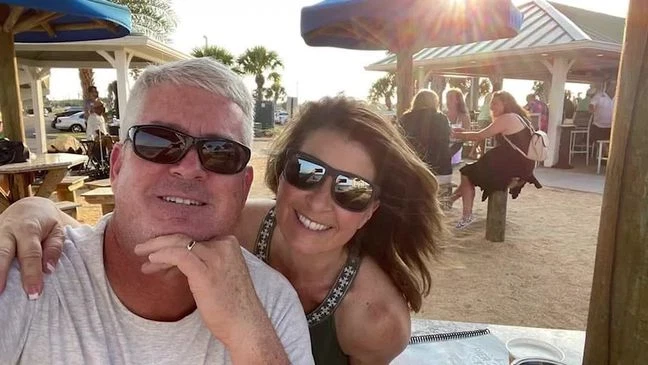
Murphy’s resilience was genetic in part; her father, David Brossi, whom she described as a “pillar of wisdom, grace, and character,” had lost his own mother to the same form of ALS, a family shadow that Murphy faced head-on. At the heart of her world was her husband of 42 years, David Murphy, whom she affectionately called “Hubby.” Their relationship, sparked in their teenage years, evolved from youthful romance to grandparenthood, marked by what she rated as an “A-” partnership—her an “A” wife, him a solid “B+.”
The couple’s bond deepened through shared adventures, including boating, skiing, and spontaneous dances, even as ALS introduced challenges like a respirator nicknamed “Hosee” that turned their bed into a “thruple.” Murphy’s three sons—David Jr. and Ali Bragg with grandsons Bode and Scottie in Charlestown; Doug and Kate Farrell with son Connall in Milton; and Adam and Justine with grandson Harvey Hastings in Bolton—formed her greatest pride. She also cherished her brothers, Michael of Marlborough and Dave of Westboro, who served as lifelong anchors, along with a sprawling network of cousins, aunts like Terry Ciarcia and Pam Nicolazzo, and numerous nieces and nephews.
Read : Christa Gail Pike, First Woman on Tennessee Death Row to Face Execution in 200 Years
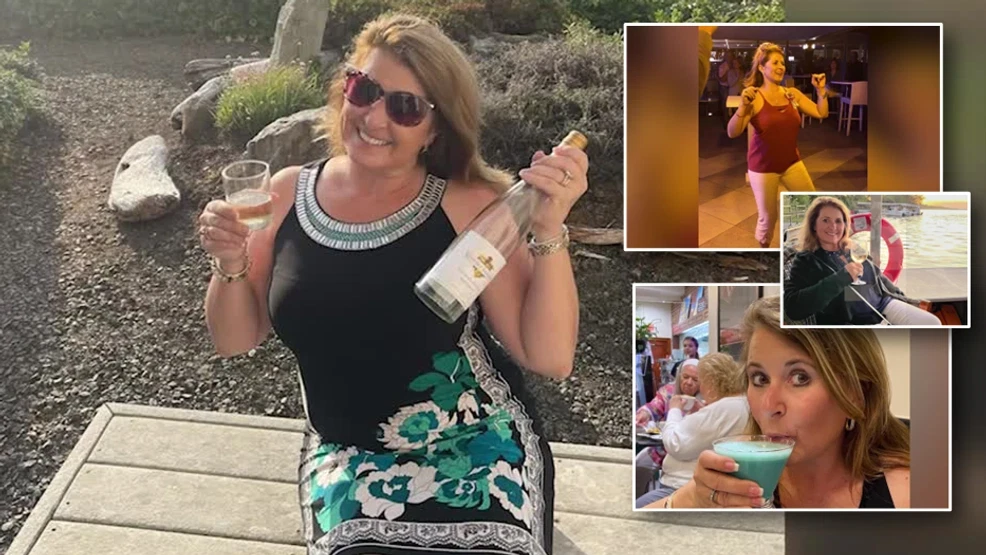
Murphy’s days were filled with simple pleasures that amplified her infectious happiness. She relished feeding birds in her garden, tinkering at the piano in private, and dominating games of Words With Friends—apologizing only half-heartedly to her defeated opponents. Social gatherings were sacred; she hosted Rummikub nights with friends, sipped wine on golf courses, and traveled whenever possible.
Read : Viral Video of Woman Struck and Killed by Train in Mexico While Taking a Selfie
Her “superpowers,” as she dubbed them, included an uncanny resistance to hangovers despite her love of a good pour and an unwavering positivity that drew people in. Even as ALS robbed her of speech and mobility, Murphy maintained her outward cheer, applying makeup and flashing smiles to mask the daily grind of puréed meals and unspoken “I love yous.” Her battle with bulbar ALS, which primarily affects speaking, swallowing, and breathing, began insidiously but never dimmed her core belief: life was for living, not lamenting.
The Obituary: Witty Words That Cut Through Grief
Murphy’s obituary, composed in her final months, opens with a disarming directness: “Well, if you are reading this obituary, it looks like I’m dead. WOW, it actually happened.” From there, it unfolds as a rollicking narrative, blending irreverence with profound emotion. She quips about dying of “FOMO”—fear of missing out—after watching loved ones devour burgers and burritos while she sipped mush, a stark illustration of ALS’s cruel isolations. Yet, amid the gallows humor, Murphy underscores her peaceful exit, surrounded by family and “a couple of my besties,” emphasizing the love that sustained her.
The piece shines in its personal vignettes. She grades her marriage with playful precision, jokes about her respirator turning her husband into a reluctant co-pilot to a “fighter pilot with smooshed hair,” and lists her hobbies with self-deprecating flair—admitting to “playing” the piano only when alone and trash-talking in app-based games. Formalities are dispatched briskly: her education, career pivot to real estate, and dual diagnoses of cancer and ALS, which she sums up with a wry “Yikes!! Cancer…THEN ALS. Ugh, honestly, you can’t make this stuff up!” Her pride in “F Off Cancer” is evident, positioning it as a beacon for others in the fight.
Murphy’s directives for remembrance are equally bold. She requests no flowers, urging readers instead to buy scratch tickets for strangers “to make people happy.” Calling hours at the Framingham funeral home on September 28 were open only to the “nice, loving people,” explicitly barring “stinkers and meanies” to preserve the positive energy she cherished.
A private burial followed, but her true send-off was a celebration of life on September 29 at The Verve Hotel in Natick—complete with wine, nibbles, dancing shoes, and stories of her “shenanigans.” In a final act of generosity, her body detoured to Massachusetts General Hospital en route to the funeral home, donating her brain and spinal cord to ALS research. She implored donations to Compassionate Care ALS, crediting the organization for easing her final years.
Threaded throughout is Murphy’s philosophy: kindness as currency. “Please be kind to everyone,” she writes—the telemarketer, the barista, even the tailgater. “Speak nicely and positively. Is there really ever a reason to be negative? I don’t think so.” Her advice to embrace invitations—”say ‘yes’ to the party, the trip, the adventure”—and toast her memory encapsulates a life unbowed by suffering. Closing with “So to my earthly existence, I say farewell. It was a blast while it lasted. We sure did have fun!” the obituary transforms mourning into motivation, proving Murphy’s pen as mighty as her heart.
Viral Echoes: A Legacy Amplifying ALS Awareness
Within days of its publication, Murphy’s obituary exploded online, shared by major outlets like TODAY, People, and Boston.com, and amplified across platforms including X (formerly Twitter) and Instagram. Posts from accounts like @TODAYshow garnered over 10,000 views, while viral threads dissected her humor, with users praising lines like her FOMO quip as “the most relatable exit ever.” By October 4, 2025, the story had trended regionally, with hashtags like #LindaMurphyObit surfacing in discussions on resilience and end-of-life choices. The ALS Association highlighted it on Facebook, noting how her words humanize the disease’s toll while inspiring action.
Reactions poured in from strangers moved by her candor. One X user wrote, “May we all go out with as much wit, humor and grace as Linda Brossi Murphy has,” echoing a sentiment repeated in hundreds of comments. Families affected by ALS shared personal parallels, crediting her for spotlighting bulbar-onset symptoms often overlooked. Her call for donations resonated; Compassionate Care ALS reported a surge in contributions, attributing it directly to her tribute. Media coverage emphasized her dual battles—cancer survivor turned ALS warrior—as a narrative of quiet heroism, with profiles in The Independent and Yahoo News framing it as a “love letter to life.”
Murphy’s in-laws, including father-in-law Joseph and the late Betty Murphy, along with best friend Michelle Loranger, were name-checked as pillars of support, their roles underscoring the communal fabric she wove. The virality extended her reach beyond Framingham, touching out-of-state readers who booked Natick hotel rooms for the memorial, turning it into a cross-country wake. Experts in palliative care cited the piece in webinars, using it to advocate for patient-authored narratives that empower rather than eulogize.
In death, as in life, Murphy dismantled barriers. Her obituary’s blend of laughs and lessons has not only honored her memory but elevated ALS discourse, reminding the public that even in silence, one voice can roar. As donations climb and stories multiply, Linda Brossi Murphy’s final words continue to dance—arms in the air, of course—urging us all to live without regret.