
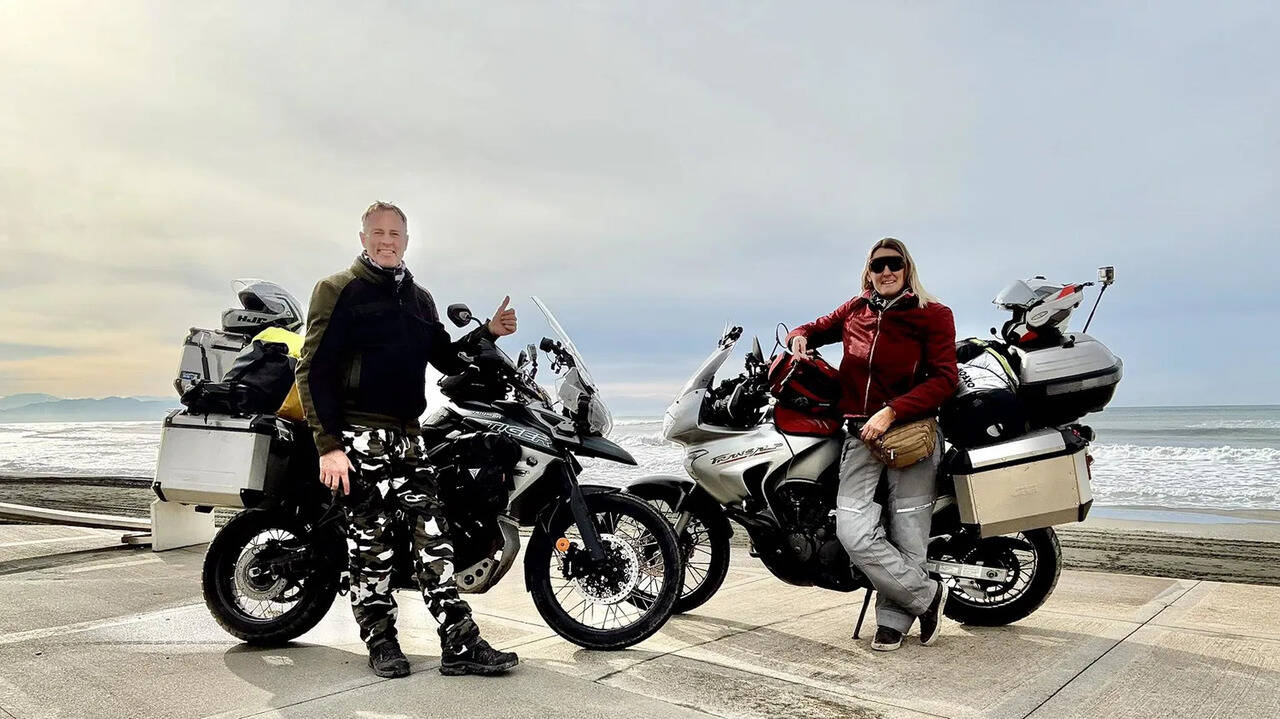
The case of a British couple serving a decade-long prison sentence in Iran has drawn international attention and concern, raising questions about international travel risks, diplomatic protections, and the legal systems governing foreign nationals abroad. Lindsay and Craig Foreman, who set out on what they described as a once-in-a-lifetime round-the-world motorcycle journey, now find themselves confined under harsh prison conditions following their arrest on espionage charges they firmly deny. Their detention and sentencing have become a deeply personal ordeal marked by deteriorating health, legal uncertainty, and emotional strain on their family back home.
Their story has unfolded through statements from prison, interviews given to international media, and appeals from relatives seeking intervention. What began as an adventurous journey across continents has transformed into a prolonged legal battle inside one of the world’s most tightly controlled judicial environments. The Foremans’ case reflects not only their individual circumstances but also broader tensions involving foreign travelers detained abroad under disputed allegations.
A Journey Around the World That Took an Unexpected Turn
Lindsay and Craig Foreman were not inexperienced travelers. Their global motorcycle expedition had been planned as an extended journey spanning multiple countries and continents, driven by a desire to experience diverse cultures and landscapes firsthand. Traveling overland was central to their approach, offering them direct engagement with local environments rather than conventional air travel between destinations.
Their route eventually brought them toward Iran, a country that occupies a significant geographical position between regions of Europe, Central Asia, and South Asia. According to accounts provided by family members and their own statements, the couple entered Iran legally with approved visas, accompanied by an official guide, and followed a pre-approved travel itinerary. Their plan involved traveling through the country en route to other destinations, including Pakistan and eventually Australia, where they intended to continue the next phase of their journey.
The couple had crossed into Iran from Armenia at the end of December 2024, expecting to proceed onward within days. Their travel schedule indicated they would depart Iran in early January 2025, continuing toward Pakistan before heading further east. Nothing about their plans suggested a prolonged stay, and their documentation reportedly complied with official requirements.
The Islamic Republic of Iran has sentenced a British couple, Lindsay and Craig Foreman to 10 years in prison for “spying”.
— Michael Dickson (@michaeldickson) February 19, 2026
They were arrested last year while on a round-the-world motorcycling trip. They are being held in brutal conditions at Tehran’s notorious Evin prison. pic.twitter.com/pI91udDJMs
For travelers accustomed to navigating multiple borders and administrative systems, this stage of their trip may have appeared routine. Yet the region’s complex political environment and strict regulations governing foreign movement made travel through Iran markedly different from previous segments of their journey. The Foremans’ experience would soon illustrate how quickly a carefully planned itinerary can unravel when legal interpretations and national security concerns intervene.
Arrest, Charges, and a Contested Legal Process
The couple’s detention occurred just days after their entry into Iran. Despite possessing the necessary permissions and documentation, they were arrested by Iranian authorities in early January 2025. Officials accused them of espionage, an allegation they have consistently denied and one that their family maintains lacks evidentiary support.
Their case proceeded through Iran’s judicial system, ultimately reaching proceedings before the Tehran Revolutionary Court. This court has jurisdiction over cases involving national security and political charges, making it a central institution in matters concerning alleged espionage or activities perceived as threatening to the state.
Family members and legal representatives have described the process as deeply troubling. According to statements from their son, Joe Bennett, authorities presented no evidence supporting the spying allegations. He has also claimed that the couple was not allowed to fully defend themselves during court proceedings, raising concerns about procedural fairness and due process.
The Foremans reportedly attempted to cooperate with the legal system, appealing decisions and formally protesting their treatment. Lindsay expressed that they had tried to remain respectful and patient throughout the process, believing that their innocence would eventually be recognized. However, the legal outcome did not reflect those expectations. The court sentenced both individuals to ten years’ imprisonment.
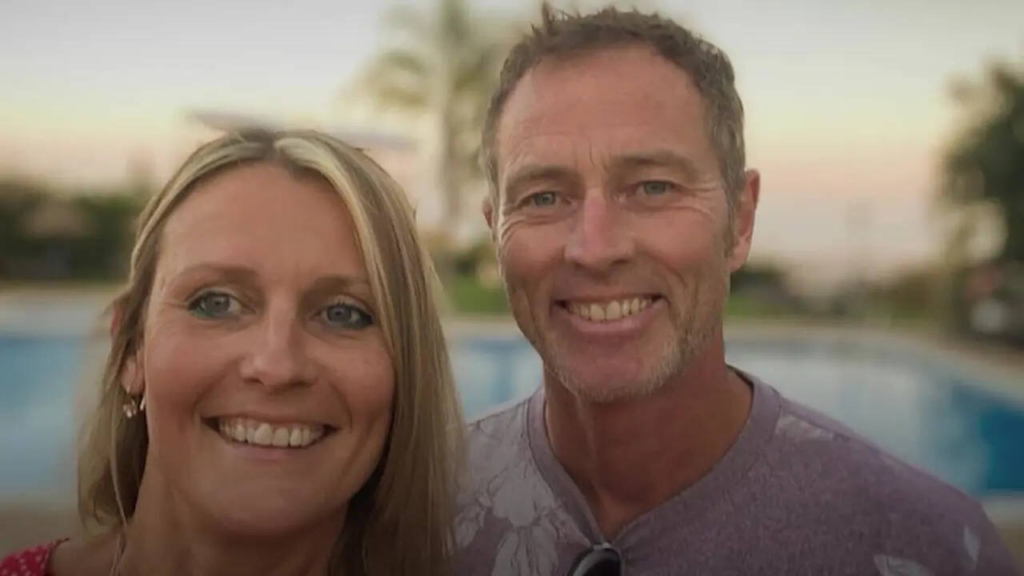
Their detention location further intensified international attention. Lindsay gave an interview from Evin Prison in Tehran, one of Iran’s most well-known detention facilities, particularly for political prisoners and foreign nationals accused of security-related offenses. Conditions there have long been the subject of scrutiny by human rights organizations.
Throughout the proceedings, the couple continued to pursue appeals within the Iranian legal framework. Their public statements emphasized their desire to be heard and their insistence that the accusations were unjust. For their family, the legal struggle has extended beyond courtroom decisions to diplomatic appeals and international advocacy.
Coverage of the case has included interviews broadcast by the BBC, which provided one of the primary windows into the Foremans’ circumstances. These interviews offered rare direct insight into the physical and psychological toll of their imprisonment.
Life in Prison and the Human Toll of Detention
The reality of incarceration has reshaped nearly every aspect of Lindsay and Craig Foreman’s lives. Lindsay has described the experience as both physically draining and mentally exhausting, characterizing the environment as an endurance test requiring constant emotional resilience. Her statements suggest that maintaining health inside prison conditions has been extremely difficult, with limited access to resources that might otherwise help preserve physical well-being.
She has acknowledged that her health may never fully return to its previous state, though she hopes recovery will be possible if and when they are released. This perspective reflects an awareness that long-term confinement carries lasting consequences, not only physically but psychologically.
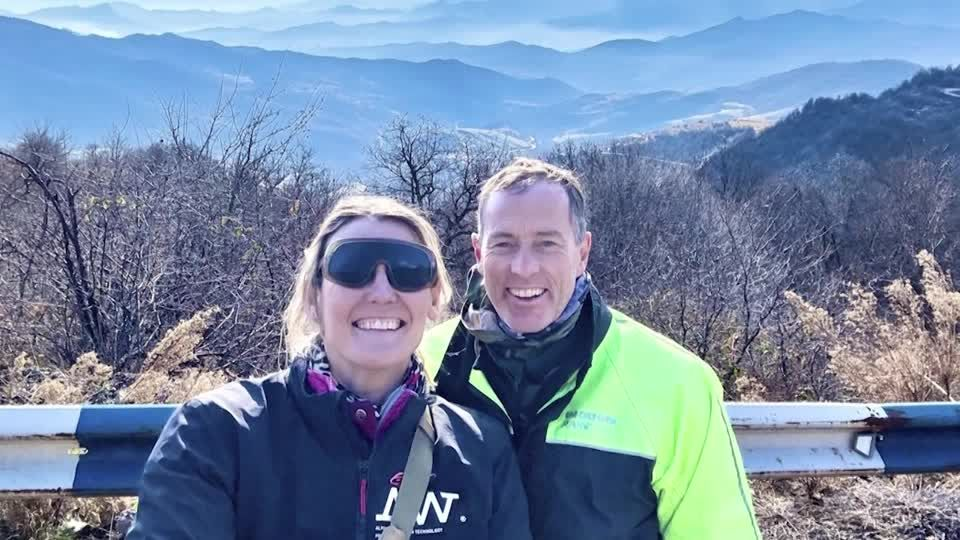
Despite her own hardship, Lindsay has also spoken about the broader prison environment. She has noted that many fellow inmates face permanent sentences or lifelong confinement, a reality that shapes her outlook. In some respects, she has expressed a sense of perspective, recognizing that her own situation—though severe—may still be temporary compared to others around her.
The emotional burden extends beyond the prison walls. For their family, the uncertainty surrounding their future remains a persistent strain. Joe Bennett has publicly urged the United Kingdom government to intervene more decisively, calling for all available diplomatic channels to be used to secure their release. His appeals reflect the limited options available to families when relatives are detained abroad under national security charges.
The psychological dimension of detention is evident in Lindsay’s description of daily life. Remaining hopeful in an environment of confinement and legal ambiguity requires sustained mental effort. Isolation from normal routines, limited communication with family, and the absence of clear timelines for resolution compound the sense of uncertainty.
Even so, the couple continues to pursue legal appeals within Iran. Their efforts reflect a determination to exhaust every available avenue, however uncertain the outcome. For them, the legal process remains one of the few structured paths toward potential release, even as previous attempts have yielded little change.
Their story now stands at the intersection of personal tragedy, international diplomacy, and legal controversy. What began as a journey intended to explore the world has become a prolonged struggle to regain freedom, health, and normalcy.