
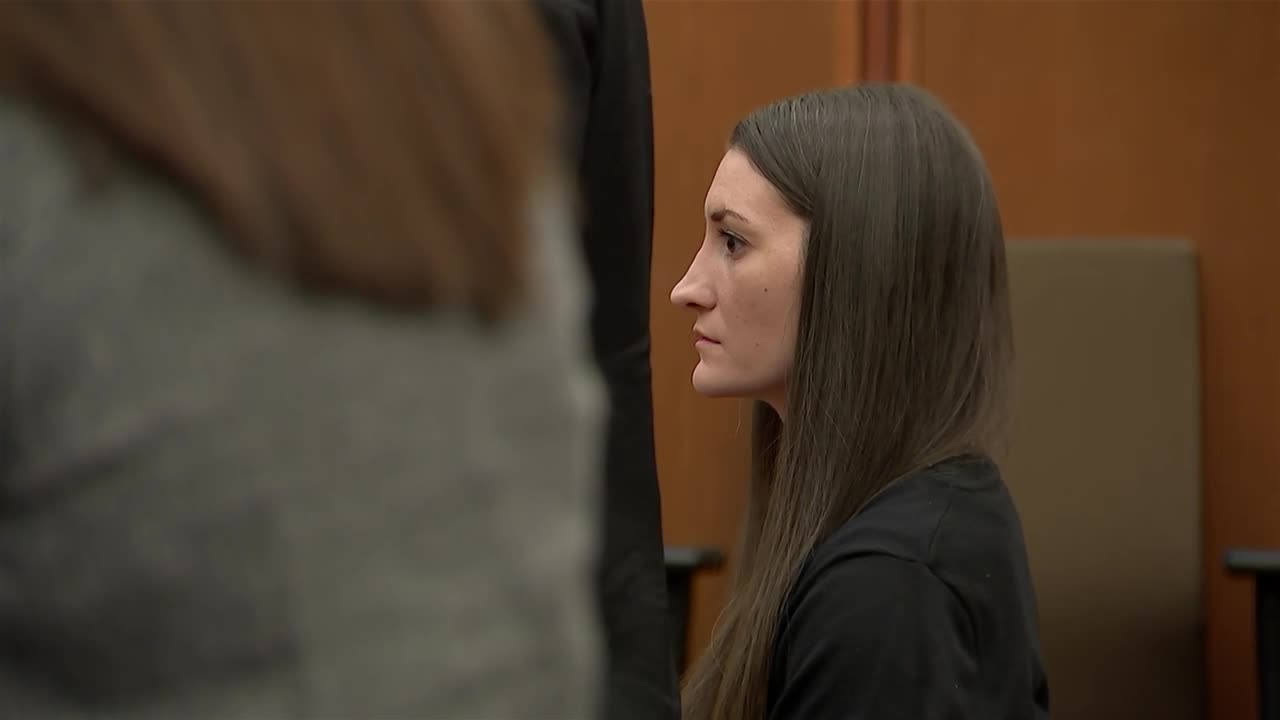
The case involving former Massachusetts nurse Lindsay Clancy has become one of the most disturbing and emotionally complex criminal proceedings in recent years, raising difficult questions about mental health treatment, medical responsibility, and criminal accountability. Clancy, who is accused of killing her three young children inside the family’s home in January 2023, is now pursuing legal action against the medical professionals who treated her in the months leading up to the tragedy.
In lawsuits filed in Norfolk Superior Court, Lindsay Clancy and her husband claim that doctors failed to properly recognize and treat her rapidly deteriorating mental state despite repeated warning signs and desperate attempts to seek help. According to the legal filings, Clancy experienced severe mental health struggles following the birth of her third child and repeatedly sought psychiatric care as her condition worsened.
Her attorneys argue that the medications prescribed to her and the limited time doctors spent evaluating her did not meet acceptable medical standards. The lawsuits claim that her providers overlooked clear indicators that her mental health crisis had escalated to a dangerous level, ultimately leading to catastrophic consequences.
Prosecutors, however, maintain a different view of the events, alleging that Lindsay Clancy intentionally planned the killings of her children before attempting to take her own life. As the criminal case moves toward trial later this year, the parallel civil lawsuits have introduced another layer to an already tragic case, focusing attention on the role of mental health treatment and whether different medical decisions might have prevented the deaths of three children.
A Rapid Mental Health Decline Before the Killings
Court documents and legal filings describe a dramatic decline in Lindsay Clancy’s mental health in the months leading up to January 2023. After the birth of her youngest child, Callan, in 2022, Lindsay Clancy reportedly became increasingly anxious and fearful about returning to work. She had previously struggled with anxiety and postpartum depression following the birth of her second child, and family members say those issues intensified after the arrival of her third.
According to the lawsuits filed by her attorneys, Lindsay Clancy sought psychiatric help in September 2022 as her symptoms worsened. She reportedly complained about extreme anxiety, intrusive thoughts, and an inability to sleep. Despite seeking treatment, the filings claim the medications she was prescribed made her condition worse rather than stabilizing it. At times, she was reportedly sleeping only three hours per night while experiencing escalating suicidal thoughts.
Her legal team argues that these developments should have alerted medical professionals to the seriousness of her condition. Instead, they claim her treatment was poorly coordinated and lacked the necessary oversight to properly monitor her mental health. The lawsuit alleges that doctors continued prescribing medications despite Lindsay Clancy repeatedly reporting that they were intensifying her symptoms.
Read : 27-Year-Old Gustavo Sanchez-Castillo Charged After Allegedly Assaulting Nurse
The filings also detail how Lindsay Clancy allegedly began experiencing disturbing thoughts about harming herself and her children. According to the lawsuit filed on her behalf, she heard a voice in her head telling her to harm the children and then take her own life. The alleged voice told her that she would never be the same again and that dying was the only option. These thoughts, her attorneys claim, were shared with medical providers as well as family members in the days before the killings.
Read : Barbell-Shaped UFO Glowing Indigo Blue Colour Spotted in Canada
Clancy reportedly tried numerous avenues to obtain help. Court filings state that she visited emergency rooms, admitted herself to hospitals, contacted crisis hotlines, and repeatedly informed doctors that the medications she had been prescribed were worsening her condition. Her attorneys argue that these actions demonstrate that she recognized something was wrong and was actively attempting to seek treatment before the tragedy occurred.
The Night of the Tragedy
On January 24, 2023, prosecutors allege that Lindsay Clancy carried out a plan to kill her three children inside the family’s home. Authorities claim she used exercise bands to strangle five-year-old Cora, three-year-old Dawson, and eight-month-old Callan after sending her husband out of the house to pick up takeout food. The timeline presented by investigators suggests that the killings took place during the period when Clancy was alone with the children.
About an hour later, Patrick Clancy returned home to a devastating scene. Prosecutors say Lindsay Clancy had attempted to take her own life by cutting her wrists and jumping from a second-story window. Emergency responders arrived at the house and transported her to a hospital, where she survived the attempt but sustained severe spinal injuries.

The injuries left her paralyzed from the chest down and dependent on a wheelchair. After receiving medical treatment, Clancy was transferred to Tewksbury State Hospital, where she has remained under supervision since 2023 while awaiting trial. She has appeared in court proceedings virtually from the facility as the legal process continues.
Prosecutors argue that the evidence indicates the killings were carefully planned. Investigators say Clancy sent her husband on the errand to ensure she would be alone with the children, allowing her time to carry out the attack. Authorities have emphasized this claim in arguing that the deaths were not the result of a sudden mental health episode but rather a deliberate act.
Clancy has pleaded not guilty to the charges against her. Her defense team maintains that her severe mental health crisis played a central role in the tragedy and that her psychiatric condition must be considered in evaluating her actions. As part of the ongoing criminal case, she is scheduled to undergo a forensic psychological evaluation that will examine her mental state and determine how it may affect the legal proceedings.
The Lawsuit Against Mental Health Providers
While the criminal case continues, Lindsay Clancy and her husband have filed separate civil lawsuits accusing several medical providers of negligence and wrongful death. The lawsuits claim that doctors and mental health professionals failed to recognize clear warning signs and did not provide the level of care required for someone experiencing such severe psychiatric distress.
According to the filings, Lindsay Clancy’s psychiatrist reportedly spent only about seventeen minutes with her during each appointment, including one that occurred just one day before the killings. Her attorneys argue that these brief sessions were insufficient to properly assess the severity of her symptoms or adjust her treatment plan in a meaningful way.
Read : Nurse Suspended After Making Disgusting Remark About Children He Claimed Was Ricky Gervais Joke
The lawsuit filed on her behalf claims that Clancy repeatedly communicated worsening symptoms to her providers, including the disturbing thoughts she was experiencing. It argues that medical professionals failed to properly diagnose her condition or coordinate her treatment with other specialists who might have been able to provide more comprehensive care.
Patrick Clancy’s lawsuit echoes many of the same allegations, asserting that the tragedy was the direct result of collective negligence by the medical professionals responsible for treating his wife. According to the filing, doctors did not adequately respond to warning signs that her mental state had become dangerously unstable. The lawsuit claims that if proper treatment had been provided, the deaths of the three children might have been prevented.
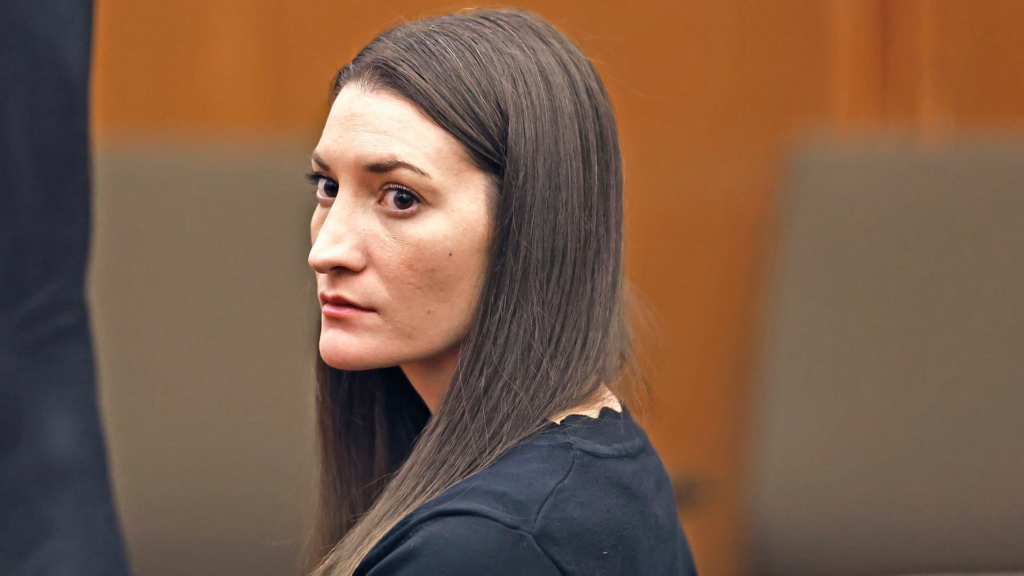
Attorneys representing Lindsay Clancy argue that she took numerous responsible steps to seek help during her mental health crisis. They state that she recognized her symptoms were worsening and actively pursued medical assistance through multiple channels. According to the lawsuit, she followed medical advice, took prescribed medications, and communicated openly with healthcare providers about the changes she was experiencing.
The filings also emphasize that Clancy had no prior history suggesting she was capable of harming her children. According to the lawsuit, she had been academically successful while growing up and spent nine years working as a labor and delivery nurse at Massachusetts General Hospital. Family members and acquaintances described her as a devoted mother who deeply loved her children and enjoyed caring for them.
Her mother-in-law reportedly told a grand jury that she had always viewed Lindsay as a fun-loving and affectionate parent who adored her family. The lawsuits argue that the drastic change in her behavior was directly tied to the severe psychiatric crisis she was experiencing in the months before the tragedy.
The civil lawsuits seek unspecified damages and request a jury trial to determine whether the medical providers involved in Clancy’s treatment were negligent. The outcome of those cases could hinge on complex questions about the standard of care in psychiatric treatment and whether her doctors should have taken stronger steps to intervene.
As the legal proceedings move forward, both the criminal trial and the civil lawsuits will likely draw intense public attention. Clancy is scheduled to undergo a forensic psychological evaluation in April before returning to court later that month. After multiple delays, her criminal trial is currently scheduled to begin on July 20.
The case has sparked widespread debate about postpartum mental health, psychiatric medication, and the responsibilities of healthcare providers when patients report severe psychological symptoms. For the Clancy family and those affected by the tragedy, the legal process will continue to unfold amid the lasting grief caused by the loss of three young children.