
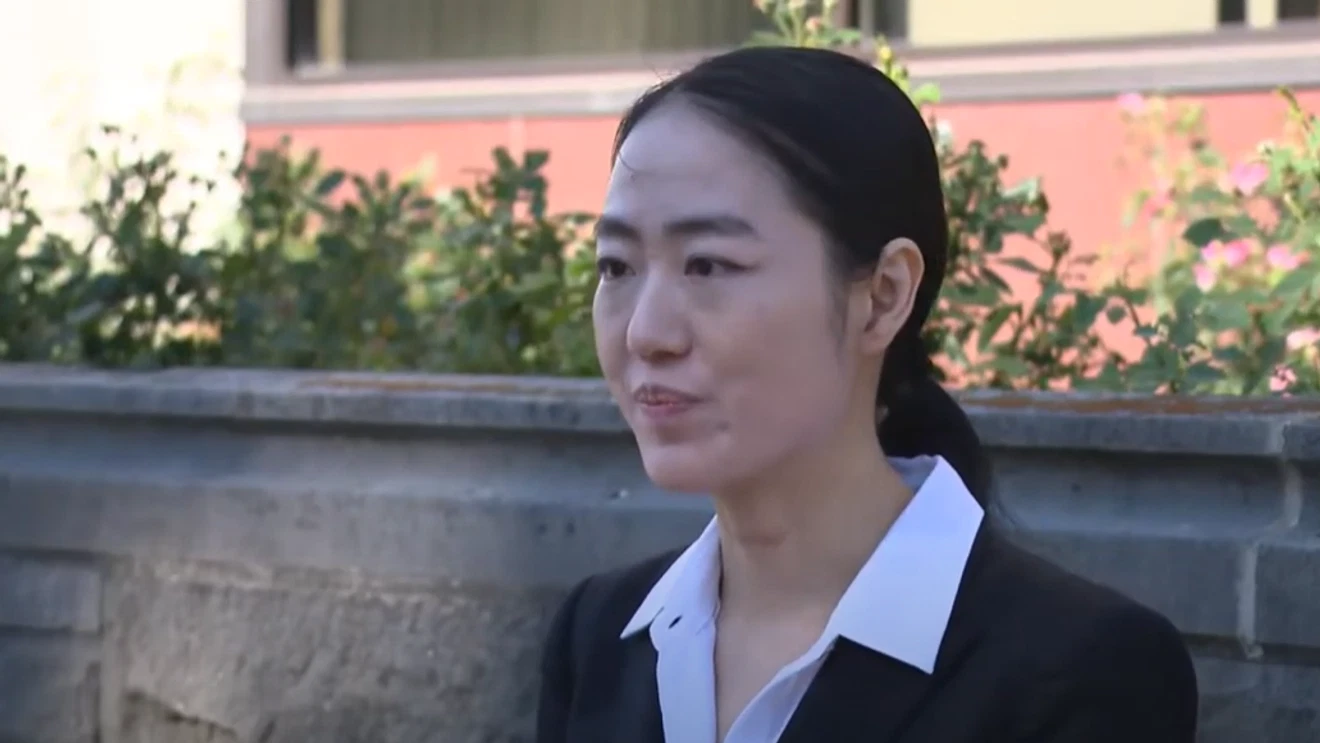
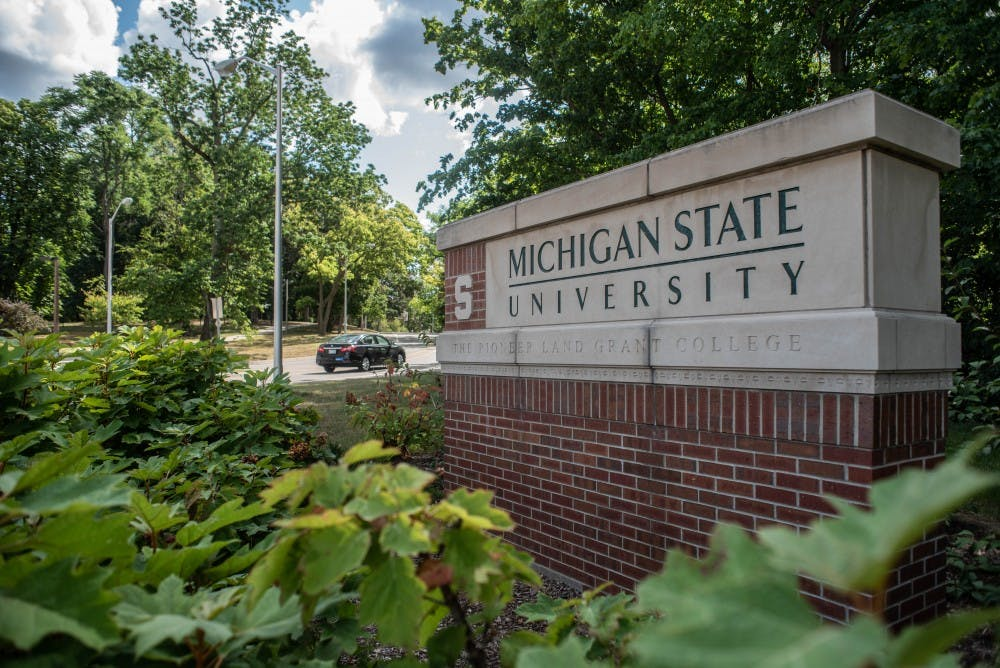
In a significant legal development that highlights concerns over workplace safety in academic research, former Michigan State University (MSU) graduate student LingLong Wei has filed a $100 million lawsuit against the institution. Wei alleges that her exposure to hazardous pesticides and herbicides during her time as a student research assistant led directly to her diagnosis of thyroid cancer.
The case, which has drawn attention to the potential risks faced by students in scientific fields, underscores broader issues of institutional responsibility and the long-term health consequences of chemical exposure. Wei, an international student from China who pursued a master’s degree in horticulture at MSU from 2008 to 2011, claims the university failed to provide adequate training and protective equipment, resulting in severe and lasting harm to her health and career.
The lawsuit was filed in Ingham County Circuit Court, targeting MSU’s Board of Trustees, the College of Agriculture and Natural Resources, the Department of Horticulture, and the Office for International Students and Scholars. Wei’s legal team argues that the university’s negligence not only caused her cancer but also inflicted emotional, physical, and financial damages.
MSU, in response, has emphasized its commitment to safety protocols but declined to comment specifically on the ongoing litigation. This case comes amid growing scrutiny of chemicals like paraquat, which has been linked in studies to health risks and is banned in numerous countries. As details emerge, the suit raises questions about how universities protect vulnerable student workers, particularly international ones who may face additional barriers in advocating for their safety.
Who is LingLong Wei? Her Journey and Background
LingLong Wei’s story begins as that of an ambitious international student seeking advanced education in the United States. Originally from China, Wei arrived at Michigan State University in 2008 to pursue a master’s degree in the horticulture program within the College of Agriculture and Natural Resources.
As part of her graduate studies, she took on the role of a student research assistant, a common position for many in academia that often involves hands-on fieldwork to support departmental research initiatives. This role, while educational, placed her in direct contact with potentially dangerous substances, setting the stage for the events that would later lead to her lawsuit.
During her time at MSU, which lasted until 2011, Wei was involved in field research that required her to handle and apply pesticides and herbicides. These chemicals included paraquat dichloride, glyphosate, and oxyfluorfen—substances known for their efficacy in weed control but also for their toxicity.
Paraquat, in particular, has been a subject of controversy; it is banned in over 70 countries due to health concerns, and the U.S. Environmental Protection Agency has issued interim decisions requiring mitigation measures, though a final ruling is pending. Wei’s work often took her hours away from campus, where she sprayed these chemicals for up to eight hours a day, depending on her class schedule.
After completing her degree at MSU, Wei continued her academic pursuits at Cornell University in New York before transitioning into a career in acting and modeling. This shift represented a new chapter in her life, one that allowed her to explore creative passions far removed from the scientific fieldwork of her graduate days. However, the lingering effects of her time at MSU would soon disrupt this path.
Read : University Hospital Leipzig Faces Backlash Over Baby Boy’s Name Yahya Sinwar in Birth Announcement
In the summer of 2024, specifically on July 11, Wei received a devastating diagnosis of papillary thyroid carcinoma following a thyroid biopsy on June 26 that revealed cancerous cells. This form of thyroid cancer, while treatable, required immediate and invasive interventions, including surgery to remove her thyroid gland.
Read : 20 Life-Changing Quotes
The diagnosis marked a turning point, prompting Wei to reflect on her experiences at MSU. She has publicly shared her gratitude for the opportunity to speak out, stating, “I’m very grateful and very hopeful today to be here to share the truth, to protect other students so that no one else has to go through what I did.”

Wei’s background as an international student added layers of complexity; she has noted feeling scared and hesitant to advocate for herself due to how the department treated her, which may have contributed to her not pushing harder for protections at the time. Her story is not just one of personal hardship but also a cautionary tale about the vulnerabilities faced by students in demanding research environments.
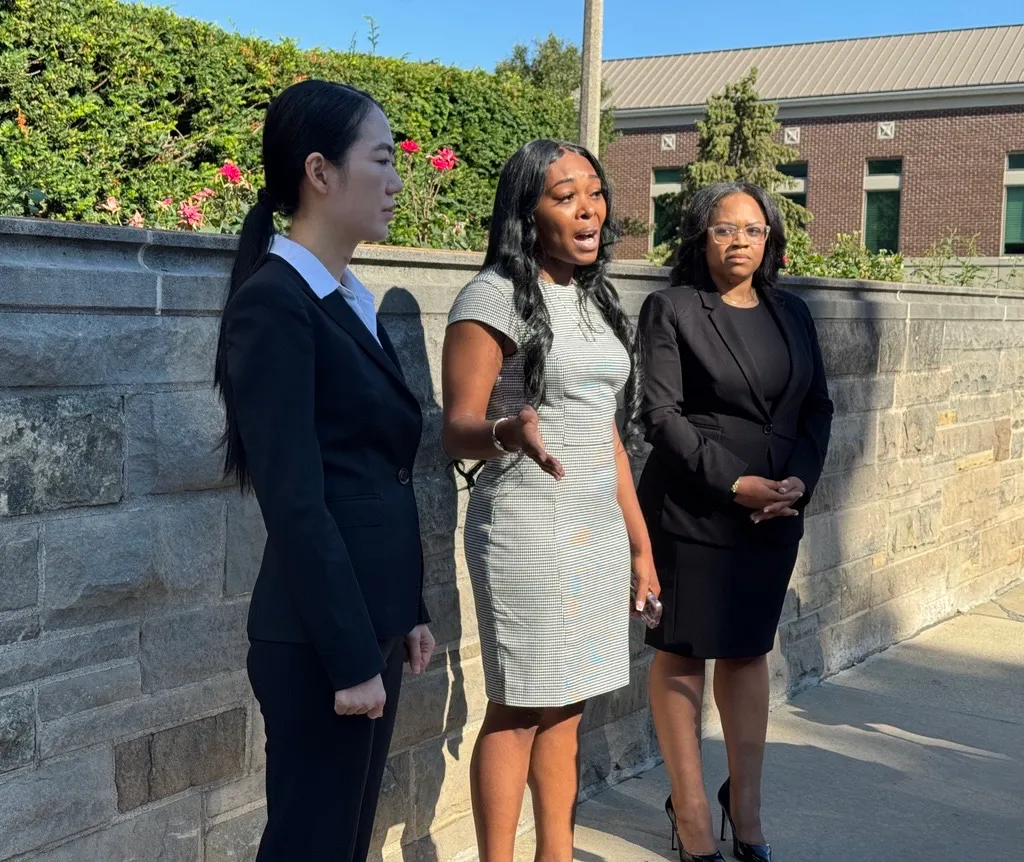
Wei’s legal action is supported by attorneys Maya T. Green and Tilmandra Wilkerson, who have highlighted the need for accountability. Green has stated, “We firmly believe that Ms. Wei is not the only victim of MSU’s gross negligence,” suggesting that the case could uncover systemic issues affecting other students. This subheading explores Wei’s path from eager graduate student to cancer survivor and litigant, illustrating how her experiences at MSU have shaped her current fight for justice.
The Alleged Negligence by Michigan State University
At the heart of LingLong Wei’s lawsuit are serious allegations of negligence against Michigan State University, particularly in how it handled safety protocols for student researchers working with hazardous materials. According to the complaint, MSU required Wei to spray toxic chemicals without providing essential personal protective equipment (PPE) such as masks, gloves, or coveralls. This lack of protection was compounded by inadequate training; Wei claims she was sent into the field without prior coursework or proper instruction on handling these substances safely.
The chemicals in question—paraquat dichloride, glyphosate, and oxyfluorfen—are potent herbicides and pesticides used in agricultural research. Wei was exposed to them repeatedly, with wind often blowing the sprays directly into her face, increasing the risk of inhalation and skin contact.
In one notable incident in 2010, after a spraying session, Wei experienced shortness of breath and sought medical help at MSU’s Olin Health Center. However, her symptoms were dismissed as anxiety, with no further investigation into possible chemical exposure. The lawsuit argues that this dismissal represented a failure in the university’s health services to address potential occupational hazards appropriately.
Wei’s attorneys have pointed out that MSU knew or should have known about the dangers of these chemicals. Paraquat, for instance, has been linked in a 2022 study by researchers from the University of California at Los Angeles, University of Southern California, and University of North Texas to an increased risk of thyroid cancer, particularly through residential or agricultural exposure.
Dr. Avital Harari, a professor of endocrine surgery at UCLA Health and principal investigator for the study, has noted that while more research is needed, initial evidence suggests a connection, especially with paraquat. Despite such knowledge in the scientific community, the suit claims MSU did not implement necessary safeguards, violating fundamental safety protocols and governmental regulations.
Attorney Maya Green has described the situation starkly: “Ms. Wei was forced hours away from Michigan State University’s campus to spray hazardous pesticides and herbicides without proper training, without proper protection equipment, without even taking a class.”
Co-attorney Tilmandra Wilkerson added, “This was a failure on Michigan State University’s behalf, and we need them to take accountability, not only for what happened to Ms. Wei, but also we need redress so this won’t happen to anyone in the future.” The legal team has indicated they have experts ready to testify on the links between the chemicals and Wei’s cancer.
MSU’s response, delivered through spokeswoman Amber McCann, asserts that the university prioritizes health and safety, providing required training and PPE in line with policies and laws. However, the lawsuit challenges this, suggesting a gap between stated policies and actual practices, especially for student workers. This section delves into the specifics of the alleged oversights, painting a picture of institutional lapses that could have profound implications for how universities manage research risks.
The Diagnosis, Its Impact, and the Path Forward
LingLong Wei’s thyroid cancer diagnosis in 2024 has had profound and multifaceted impacts on her life, extending far beyond physical health. Following the confirmation of papillary thyroid carcinoma, Wei underwent surgery to remove her thyroid, leaving her with a permanent scar on her neck.
She now requires daily thyroid hormone replacement pills for the rest of her life, and she battles ongoing symptoms including extreme fatigue, lethargy, hormone imbalances, and depression. These health challenges have severely affected her professional life in acting and modeling, where physical appearance and energy are crucial. Wei has missed out on auditions and roles, unable to travel or maintain the demanding schedule required in her field.
The emotional toll has been equally significant. Wei has expressed the ongoing struggle: “I will need to take thyroid pills every day for the rest of my life. I will live with my permanent scar, and I will have to always struggle against depression because of hormone imbalances.”
Her treatments involve continuous medical appointments, blood tests, and consultations with oncology and endocrinology specialists, further disrupting her daily routine and ability to be with her family in China, her primary support network. The lawsuit seeks compensation for medical expenses, lost wages, pain and suffering, emotional distress, loss of enjoyment of life, permanent disfigurement, and punitive damages to address MSU’s alleged willful disregard for safety.
Looking ahead, the case could set precedents for how universities handle chemical exposures in research. Wei’s attorneys believe it may encourage other affected individuals to come forward, potentially revealing a pattern of negligence. As the litigation progresses, it will likely involve expert testimonies linking the chemicals to her cancer, drawing on studies that suggest associations between pesticides like paraquat and thyroid issues. For Wei, the suit is about more than financial redress—it’s a call for systemic change to protect future students.
In conclusion, LingLong Wei’s $100 million lawsuit against Michigan State University serves as a stark reminder of the hidden dangers in academic research and the importance of robust safety measures. As the case unfolds, it may prompt reforms in how institutions safeguard their communities, ensuring that no one else endures the hardships Wei has faced. With her resilience and determination, Wei continues to advocate for accountability, turning personal tragedy into a catalyst for broader awareness and change.
My spouse and I absolutely love your blog and find almost all of your post’s to be exactly I’m looking for. Would you offer guest writers to write content for yourself? I wouldn’t mind writing a post or elaborating on a few of the subjects you write related to here. Again, awesome website!
But wanna input that you have a very decent site, I like the pattern it really stands out.