
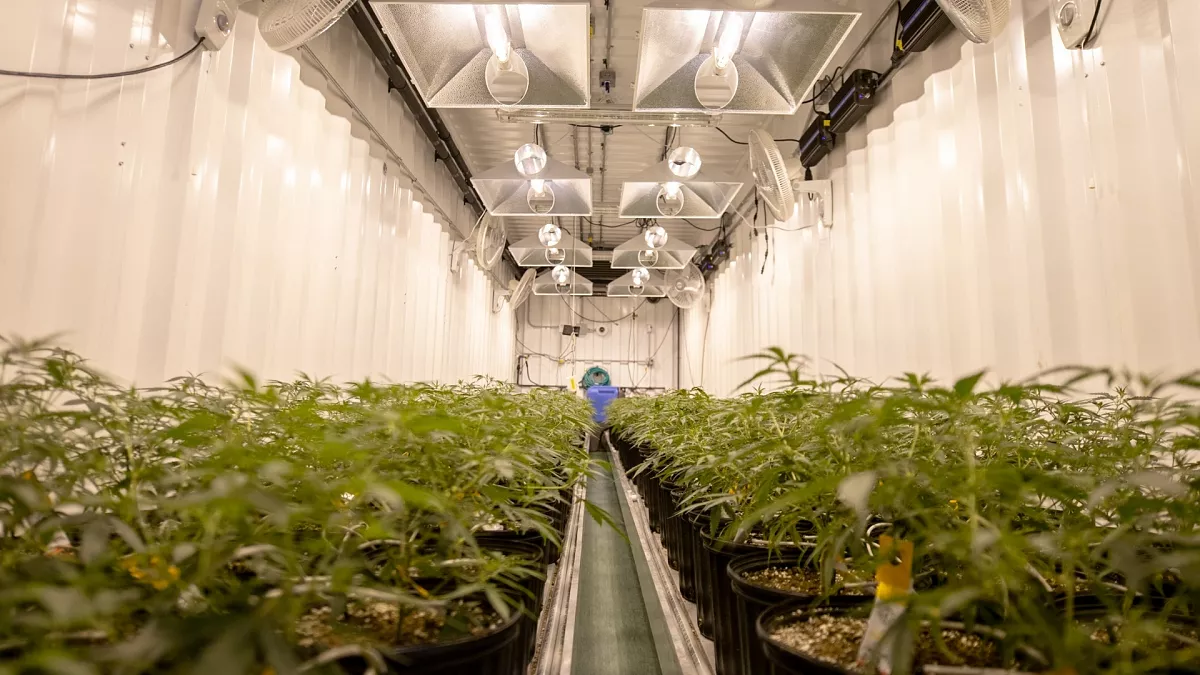
A sophisticated criminal operation was recently uncovered in the UK, where a group of eight individuals posed as electricians and road workers to Divert Electricity to Cannabis Farms.
This group, operating under the guise of a legitimate company, conducted a series of road excavations across the country, cutting into electricity mains to power industrial-scale cannabis farms. Their activities spanned multiple locations and involved millions of pounds in illicit revenue before law enforcement intervened.
A Well-Planned Criminal Enterprise
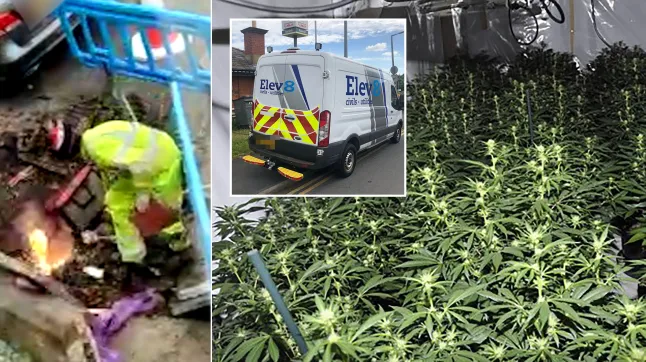
The criminals behind this operation used a seemingly legitimate business, Elev8 Civils and Utilities Ltd, as a front to facilitate their illegal activities. By presenting themselves as utility workers, they managed to gain access to public roads, digging up pavements and splicing into electrical cables to supply power to various cannabis farms.
Their method was elaborate and convincing—they donned high-visibility clothing, drove branded vans, and even cordoned off work areas to make their activities appear legitimate.
Their operation lasted for at least three years and involved a staggering 54 incidents of electricity theft across England, Scotland, and Wales. Authorities estimate that the gang illegally extracted electricity worth £253,980, which enabled the production of cannabis valued at approximately £7 million.
The scale and sophistication of the operation suggest that the gang had deep connections with organized crime networks, including Albanian criminal groups that have been linked to large-scale drug production in the UK.
Read : One of Europe’s Most Wanted Criminals Marco Ebben Killed in Mexico
Liverpool Crown Court heard how Ross McGinn, 33, and Andrew Roberts, 42, acted as the directors of Elev8 Civils and Utilities Ltd. They oversaw the entire operation, directing other members to specific locations where they would carry out the illegal road digs.
Read : Nepalese Man Believed to be Reincarnation of Buddha Found Guilty of Child Sexual Abuse
Graham Roberts, 47, known as “Ganny,” played a crucial role as the group’s skilled worker, using his expertise as a cable jointer to splice into the electrical mains and divert power to the farms. Other members of the gang worked as groundsmen, helping to maintain the illusion of legitimate utility work.
The Investigation and Arrests
Law enforcement agencies across multiple regions collaborated to dismantle the gang’s operation. The investigation revealed that their activities had extended to areas policed by forces including the Metropolitan Police, Avon and Somerset, Durham, Gloucestershire, Humberside, Kent, Leicestershire, Norfolk, Northumbria, Thames Valley, West Mercia, and South Yorkshire.
This widespread network of criminal activity made the case one of the most complex electricity fraud investigations in recent history. Authorities were initially alerted to the scheme when they noticed a pattern of unauthorized roadworks occurring near suspected cannabis farms.
Suspicious discrepancies in power usage at various locations also contributed to the investigation. Energy companies reported abnormal electricity consumption, leading investigators to suspect illegal tampering with the mains supply.
Further scrutiny uncovered the gang’s use of WhatsApp to coordinate their illegal activities. Messages detailing locations, work schedules, and specific instructions on how to avoid detection were found on seized mobile devices.
One particularly incriminating image discovered on a phone showed Graham Roberts with severe burns on his face, believed to have been caused by an accident during one of the illegal power diversions. This evidence further solidified the case against them.
During their court appearances, all eight individuals pleaded guilty to charges of conspiracy to abstract electricity and assisting an offense. Some members, including McGinn and Andrew Roberts, also admitted to conspiracy to steal.
Their sentences varied, with Andrew Roberts receiving the longest prison term of six years, while McGinn was sentenced to five years and four months. Two additional defendants are still awaiting sentencing.
The Impact of Their Crimes and the Dangers Involved
The crimes committed by this gang had far-reaching consequences. Not only did their actions support large-scale drug production, but they also posed serious risks to public safety.
One of the most alarming aspects of their operation was the dangerously poor quality of the electrical modifications they carried out. According to a professional electrical inspector, the work they did to divert power was substandard and often hazardous. Faulty wiring and unsafe installations increased the risk of electrical fires and power outages in surrounding areas, endangering unsuspecting residents.
Beyond the immediate safety risks, the economic impact of electricity theft is significant. When criminals illegally extract power from the grid, the costs are ultimately passed on to legitimate consumers in the form of higher energy bills. Utility companies also suffer financial losses, which can affect infrastructure development and maintenance.
In addition to these concerns, the gang’s activities had broader implications for organized crime in the UK. Cannabis farms require significant energy to operate, particularly for lighting and climate control systems.
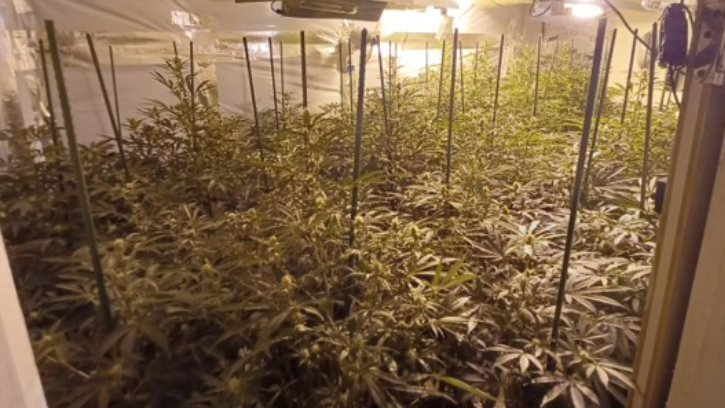
By facilitating access to free electricity, this group played a crucial role in sustaining the illegal drug trade. Their collaboration with international crime networks further highlights the growing sophistication of such operations.
James Allison, a senior crown prosecutor with the Crown Prosecution Service (CPS), emphasized the seriousness of the case. He described the defendants as “professional enablers” of organized crime, noting that their actions made it easier for drug traffickers to establish and maintain large-scale cannabis farms. He also pointed out that, despite their efforts to disguise their criminal activities, they were ultimately caught and held accountable.
The convictions in this case send a strong message to others involved in similar illegal enterprises. The successful prosecution of these individuals demonstrates the effectiveness of inter-agency cooperation and modern investigative techniques. However, it also underscores the need for continued vigilance in combating organized crime and electricity theft.
This case is just one example of the lengths to which criminals will go to support their illicit activities. As law enforcement agencies continue to crack down on such operations, it is crucial for communities to remain aware and report any suspicious activity related to unauthorized roadworks or sudden spikes in electricity consumption. By staying vigilant, authorities and the public can work together to prevent similar crimes in the future.