
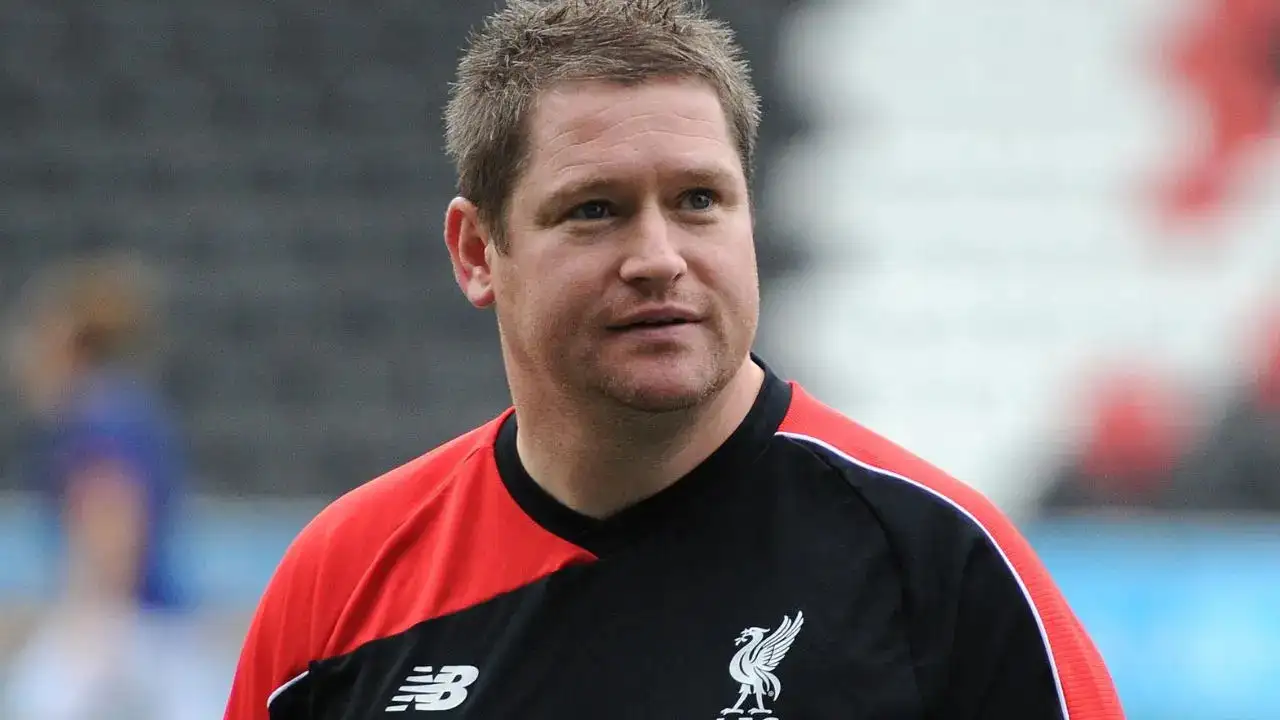
The world of women’s football has been plunged into profound mourning following the sudden passing of Matt Beard, the former Liverpool FC Women manager, at the shockingly young age of 47. Announced on Saturday evening, September 20, 2025, the news has left clubs, players, and fans reeling from the unexpected loss of a figure who not only shaped the trajectory of the sport but touched countless lives with his unwavering dedication and infectious warmth.
Liverpool FC, in a heartfelt statement, described Matt Beard as an “extremely committed and successful manager” and a “person of real integrity and warmth,” underscoring the deep void his departure leaves behind. As tributes flood in from across the globe, this tragedy serves as a stark reminder of the fragility of life and the enduring impact one individual can have on a community. Beard’s death, confirmed to have occurred at 7:28 PM on Saturday, has prompted immediate actions from the footballing world. Liverpool’s Women’s Super League match against Aston Villa, scheduled for Sunday, has been postponed, as has Burnley FC’s National League North fixture against West Bromwich Albion—Beard’s most recent club.
The Football Association has extended its condolences, hailing him as a “key figure” in women’s football, while his family, including wife Deb and brother Mark, shared poignant words of grief. Mark, a former professional footballer himself, posted on social media: “It is with great sadness that our beautiful Matthew Beard has passed away tonight… We will love you forever Matt Matt.” This outpouring of sorrow reflects not just the professional legacy Beard built but the personal bonds he forged, making his sudden absence all the more heartbreaking.
In the hours since the announcement, social media platforms and fan forums have become spaces of collective reflection, with hashtags like #RIPMattBeard trending worldwide. Players who once called him coach, executives who collaborated with him, and supporters who cheered his teams have united in disbelief and remembrance. As the dust settles on this devastating news, it’s clear that Beard’s story—marked by triumphs, resilience, and genuine humanity—will continue to inspire long after the initial shock fades.
A Trailblazing Career in Women’s Football
Matt Beard’s journey in football management was nothing short of remarkable, a testament to his tactical acumen and unyielding passion for the women’s game. Born and raised in England, Beard cut his teeth in the sport early on, but it was his appointment as manager of Millwall Lionesses in the early 2000s that truly launched his career. There, he laid the foundations of a philosophy centered on development, discipline, and delight in the beautiful game—principles that would define his tenure at every club thereafter.
His arrival at Liverpool FC Women in 2012 marked a pivotal chapter. Taking over a side eager to make its mark in the burgeoning Women’s Super League (WSL), Matt Beard wasted no time in transforming them into champions. Under his guidance, Liverpool clinched back-to-back WSL titles in 2013 and 2014, a feat that solidified his status as one of the league’s elite tacticians.
Those victories weren’t just about silverware; they represented a surge in visibility and investment for women’s football at a time when the sport was still fighting for its place in the spotlight. Matt Beard masterminded the Reds’ inaugural UEFA Women’s Champions League campaign in 2015, navigating the high-stakes European stage with a blend of defensive solidity and attacking flair that became his signature.
Leaving Liverpool for a stint with the Boston Breakers in the National Women’s Soccer League (NWSL) in the United States showcased Beard’s international appeal. There, he brought his English expertise to American shores, helping to bridge the gap between the two burgeoning professional women’s leagues. Upon returning to the UK, he took the helm at West Ham United Women, where he led them to the Women’s FA Cup final in 2019—a heartbreaking 3-0 loss to Manchester City, but a milestone that highlighted the growing competitiveness of the division. His time at Bristol City Women further demonstrated his versatility, focusing on youth integration and squad rebuilding amid challenging circumstances.
Beard’s second spell at Liverpool, beginning in 2021, was equally impactful. Tasked with resurrecting a team that had slipped into the Championship, he orchestrated a swift promotion back to the WSL in 2022, blending seasoned pros with emerging talents like Missy Bo Kearns and Emma Koivisto. By the 2023-24 season, Liverpool finished a respectable fourth in the league, earning Beard the FA WSL Manager of the Season award for the second time in his career—his first coming in 2013.
We are all devastated.
— Match of the Day (@BBCMOTD) September 21, 2025
The tragic news of Matt Beard's death broke last night and has been felt across the entire football community.
All our thoughts are with his family and friends. pic.twitter.com/r0nQ8MzNve
Over 350 games managed across various clubs, his win percentage hovered impressively high, but it was his ability to adapt to the evolving demands of the women’s game—from increased physicality to tactical sophistication—that set him apart. Beyond the stats, Beard’s career was a beacon for aspiring coaches. He championed the integration of analytics into training regimens long before it became mainstream in women’s football and was vocal about the need for better resources and parity with the men’s game.
His moves to Chelsea Women and a brief, ill-fated return to Millwall underscored his restlessness for innovation, always seeking the next challenge to push boundaries. In June 2025, he joined Burnley Women in the third tier, aiming to build from the ground up once more, though he resigned just two months later in August, citing a desire for new horizons. Little did anyone know, that decision would mark the end of an era far too soon. Beard’s career wasn’t just a series of job titles; it was a relentless pursuit of excellence that elevated everyone around him.
Tributes Pour In: A Life Celebrated by All
The football community has responded to Matt Beard’s passing with an avalanche of tributes, each one painting a portrait of a man whose influence extended far beyond the touchline. Liverpool FC’s statement captured the essence: “He will always be remembered with genuine fondness by everyone he worked with at the club.” Current and former players echoed this sentiment, with Liverpool’s Mia Enderby, who thrived under Beard’s mentorship, sharing, “Beardy wasn’t just a manager; he was family. His belief in us changed everything.”
Emma Hayes, the former Chelsea boss now leading the US Women’s National Team, delivered one of the most emotional eulogies: “Matt was one of the best humans I’ve ever known—a champion in the women’s game and a top bloke. Always available for a chat, one of the good guys. So gutted for his family.” Hayes, who overlapped with Beard during his Chelsea days, highlighted his role in fostering a supportive environment where players felt seen and valued. Similarly, Republic of Ireland manager Carla Ward simply stated, “Heartbroken,” a raw admission of the personal loss felt by peers who viewed him as a brother in arms.
At West Ham, where Beard reached that unforgettable FA Cup final, the club remembered him as “integral to the growth of the women’s game.” Gilly Flaherty, a defender who played under him at both West Ham and Liverpool, posted: “Absolutely devastated and lost for words at the news of losing Beardy tonight.” Her words resonated with many former charges, who recounted stories of late-night strategy sessions laced with humor and his knack for turning pressure into motivation. Even rivals joined the chorus; Aston Villa’s Rachel Daly, preparing for what was now a postponed clash, said, “Thoughts with the Beard family. What a legend.”
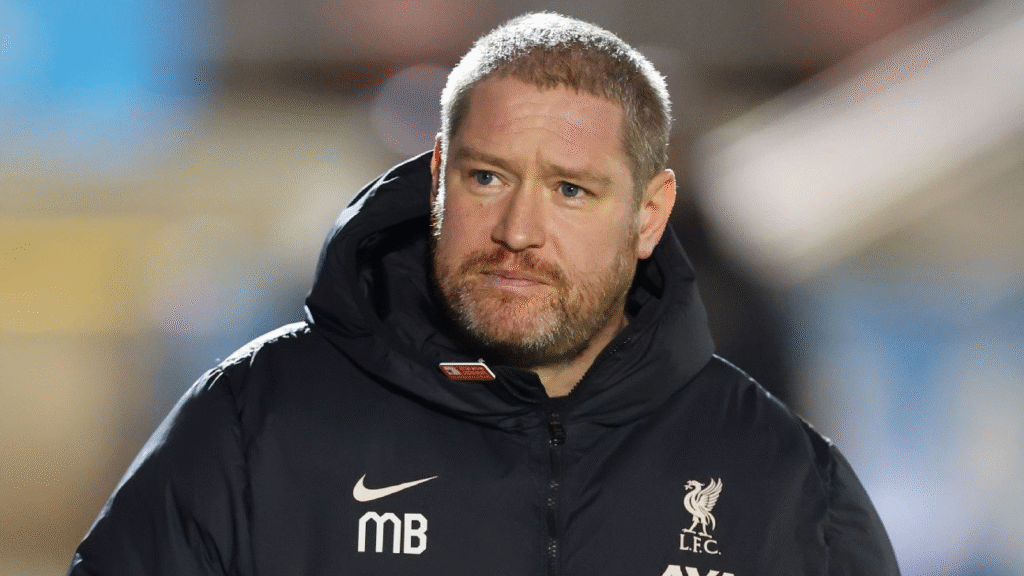
Family tributes added a deeply personal layer to the grief. Beard’s wife, Deb, mirrored her brother-in-law’s post with her own: “It is with great sadness that our beautiful Matthew has passed away.” Mark Beard, reflecting on their shared footballing heritage—Mark having played for Millwall and Sheffield United—called him “the most amazing, caring man who was loved by anyone who had the pleasure to meet him.” Eastbourne Borough FC, managed by Mark, extended condolences, noting the ripple effect on the entire Beard clan.
Fan reactions, particularly on platforms like Reddit’s r/LiverpoolFC and r/WomensSoccer, revealed the breadth of his reach. One supporter wrote, “While I’m not a follower of women’s football, I knew Matt as he was a regular at the shop I work at. Such a friendly man.” Another lamented, “Awful news. RIP. I’ve seen him in a couple of the videos and he seemed like a very decent man.” These anecdotes humanize Beard, transforming him from a distant figure into a relatable soul whose kindness transcended the pitch. Millwall Lionesses, his first managerial home, stated: “Everybody at the club is deeply saddened… We send all our love and support to his family, friends, and colleagues.”
The FA’s acknowledgment of Beard as a “key figure” in women’s football encapsulates the institutional respect he commanded. His instrumental role in professionalizing the sport—through advocacy for better facilities, equal pay discussions, and grassroots initiatives—ensured his legacy endures. As Chelsea Women noted, “Players and staff alike speak of a man who wasn’t just your manager, he was your friend.” In a sport often criticized for its intensity, Beard’s ability to balance rigor with empathy made him irreplaceable.
Remembering Matt Beard: Legacy of Passion and Change
As the initial wave of shock gives way to reflection, Matt Beard’s legacy emerges as one of unbridled passion and transformative change. He wasn’t merely a winner of titles—though his two WSL crowns and promotion heroics speak volumes—but a visionary who believed in the untapped potential of women’s football. Beard’s Liverpool sides of the early 2010s weren’t just dominant; they were entertaining, a whirlwind of goals and grit that drew new fans to the stands and screens. His 2021 return, amid the club’s nadir, exemplified resilience, turning relegation into redemption and proving that comebacks are forged in belief.
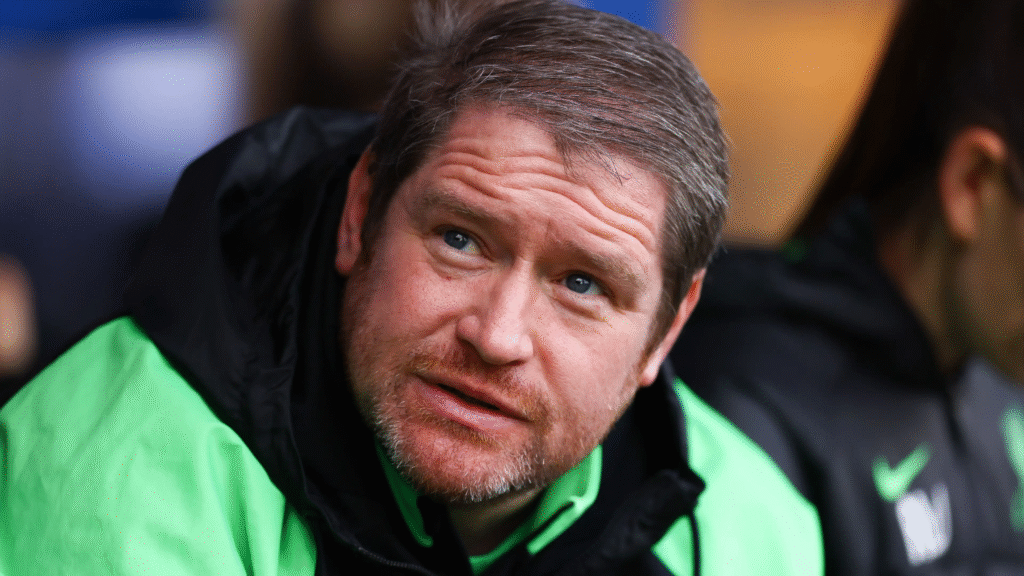
What set Beard apart was his holistic approach. He prioritized mental health long before it was a buzzword, incorporating wellness sessions and open dialogues into training. Stories from players like Flaherty reveal a coach who remembered birthdays, celebrated personal milestones, and offered guidance on life beyond football. This empathy extended to his advocacy; Beard was a vocal proponent for increasing female representation in coaching roles, mentoring young managers and speaking at panels on gender equity. His stint in the NWSL with Boston exposed him to global perspectives, which he wove into UK strategies, accelerating the professionalization of the WSL.
In quieter moments, Beard’s love for the game shone through his family life. Married to Deb, with whom he shared a deep partnership, he often credited her support as the bedrock of his success. Brother Mark’s tribute hints at a childhood steeped in football, where the Beard siblings dreamed big on local pitches. This familial grounding kept him authentic, even as fame grew. At Burnley, despite the short tenure, he instilled a culture of ambition, leaving players with tools for future growth.
Beard’s passing at 47 robs the sport of a leader at his peak, but it amplifies his call to action: invest in women’s football, nurture its talents, and honor the human side of the game. Liverpool’s postponement and the broader pauses in fixtures symbolize a collective breath, a moment to honor a man whose laughter echoed through training grounds and whose strategies etched history. As fans chant “You’ll Never Walk Alone,” it’s fitting—Beard walked with so many, and now, he walks eternally in their memories.