
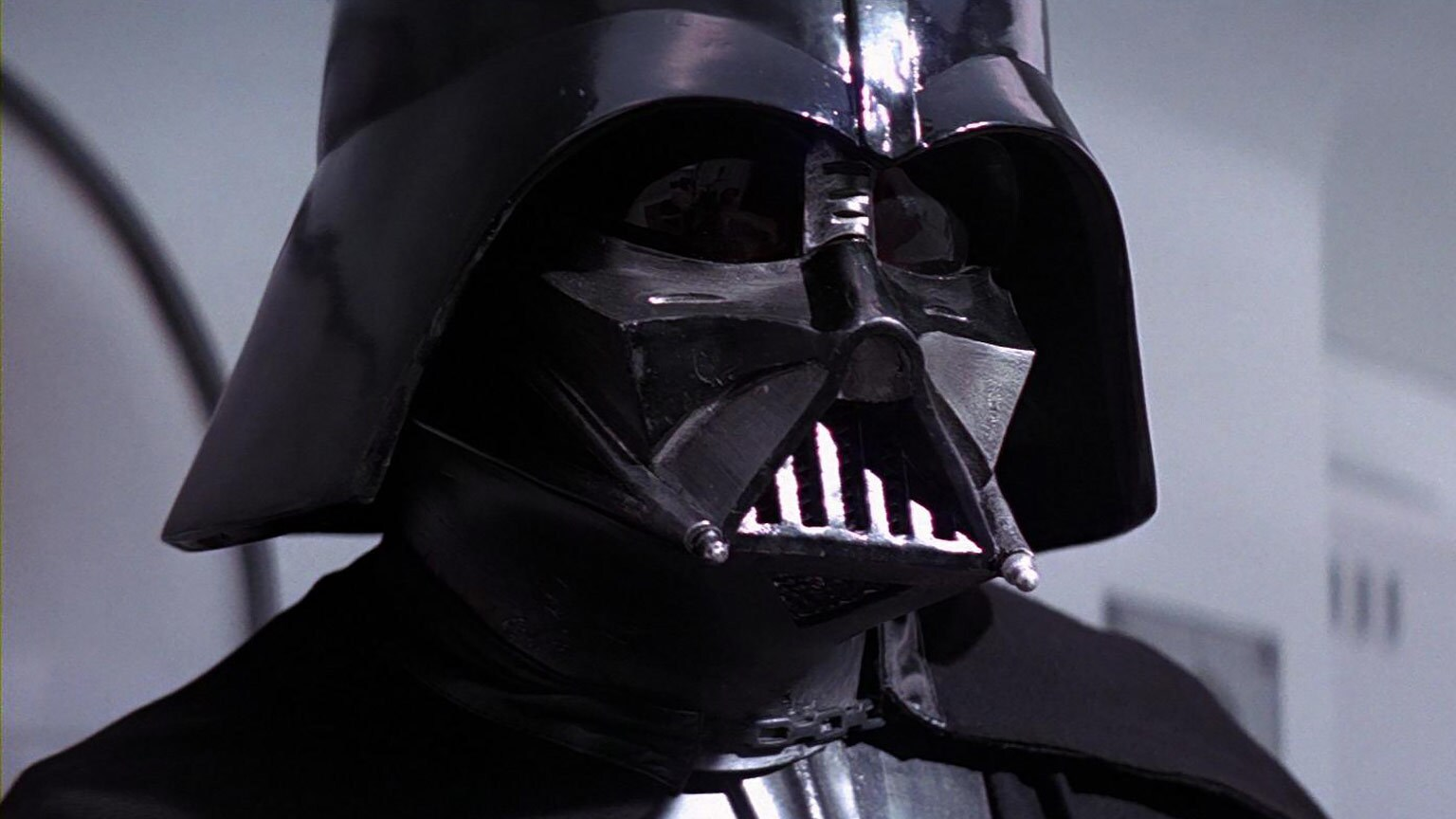
In an unusual and headline-making case, Lorna Rooke, a former NHS worker, has won nearly £30,000 in compensation after being compared to Darth Vader during a workplace personality test exercise.
The comparison, made as part of a team-building event, resulted in what a Croydon employment tribunal termed a “detriment” to Rooke’s emotional and professional wellbeing. While the case may sound like something out of a Star Wars fan fiction, it underscores important issues around workplace respect, mental health, and boundaries—even when humor is intended.
A Star Wars-Themed Test Sparks Real-World Trouble
The situation began in August 2021 when members of Lorna Rooke’s team at the NHS Blood and Transplant service participated in a themed personality test. The test, styled around the Star Wars universe and loosely inspired by the Myers-Briggs Type Indicator (MBTI), was intended as a light-hearted team-building activity.
However, when Lorna Rooke stepped away to take a personal phone call and missed the activity, a colleague, Amanda Harber, took it upon herself to fill in the quiz on Rooke’s behalf.
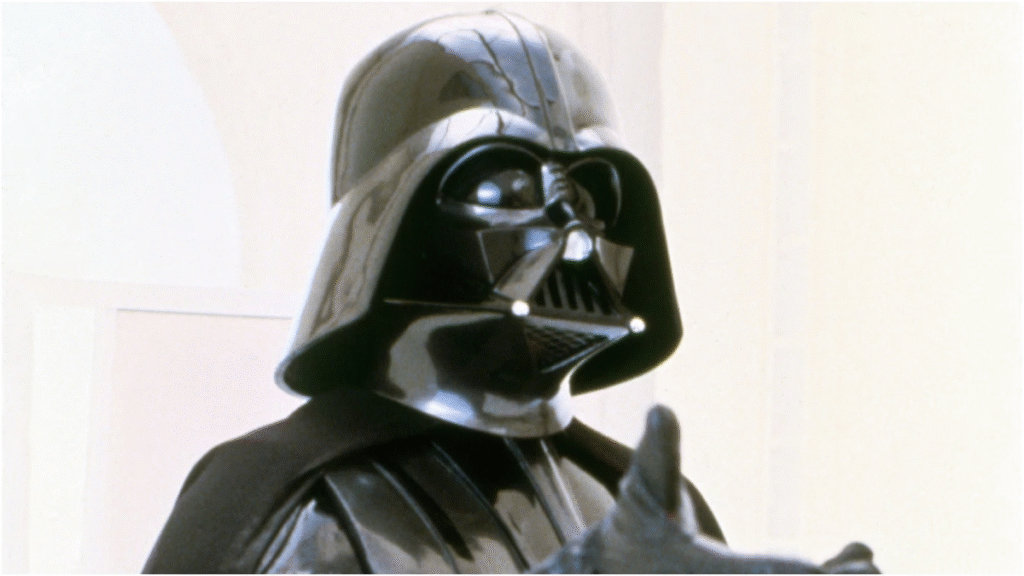
When Rooke returned, Harber announced that the personality test results showed Rooke matched with none other than Darth Vader—arguably the most notorious villain in science fiction cinema.
In the Star Wars canon, Vader is a dark and brooding figure, half man and half machine, known for his authoritarian tendencies, emotional repression, and association with evil deeds. The employment tribunal acknowledged the character’s deep cultural resonance as a villain and concluded that the comparison was “insulting” and “upsetting.”
Read : Iwao Hakamada Who Spent 46 Years in Prison For Crime He Never Done Awarded $1.4M in Compensation
Though the test was supposedly humorous in nature—portraying Vader as a “very focused individual” capable of bringing teams together—the context and the manner in which the comparison was made had a deeply negative impact on Lorna Rooke.
She told the tribunal that being likened to such a figure made her feel unpopular and diminished in the eyes of her colleagues, contributing to a growing sense of alienation in the workplace. Although the tribunal did not accept her claim that the incident was the direct reason for her resignation the following month, it did rule that the episode constituted a workplace detriment.
The Legal and Emotional Weight of a Joke Gone Wrong
The tribunal’s ruling clarified a significant aspect of workplace law: that being subjected to humiliation, even in the form of a joke or a light-hearted activity, can amount to a legal detriment if it causes emotional or reputational harm.
Employment judge Kathryn Ramsden noted in her decision that Darth Vader is a “legendary villain” and being associated with such a character—even through a themed personality test—was degrading enough to qualify as a detriment under UK employment law.
The ruling stressed that the context of the quiz mattered less than the result’s impact on Rooke’s dignity and mental state. Although some in the workplace might have viewed the test as harmless fun, the tribunal recognized that every employee experiences humor and criticism differently, especially when tied to their professional identity.
The quiz was reportedly described as “Myers-Briggs with a Star Wars theme” in the tribunal, but it was later clarified that it was not an official Myers-Briggs assessment.
This distinction also illustrates a broader issue—how corporate environments sometimes adopt pop culture references or gamified assessments to boost morale, without considering the psychological impact or professional implications such activities can have.
What might appear playful can turn personal when the results are used to label, define, or mock someone in a communal setting. The tribunal concluded that the act of a colleague completing the quiz on Rooke’s behalf and then sharing the results publicly made her feel “undermined,” contributing to a hostile work atmosphere.
While Lorna Rooke’s claims of unfair dismissal, disability discrimination, and failure to make reasonable adjustments were dismissed, her successful claim of detriment following a protected disclosure secured her an award of £28,989.61. The outcome highlights the legal recognition that mental harm and emotional distress, when rooted in workplace dynamics, deserve compensation and redress.
Broader Implications for Workplace Culture and Boundaries
The case of Lorna Rooke has broader implications beyond the NHS and the specific events at the Croydon tribunal. It serves as a cautionary tale about the thin line between team-building exercises and unintentional workplace harassment.
In today’s increasingly diverse and emotionally complex work environments, employers must ensure that all activities—no matter how trivial they may seem—are conducted with sensitivity and consent.
The fact that a colleague completed the quiz on Rooke’s behalf without her permission should have been the first red flag. This violation of autonomy was compounded by the public announcement of the result, which placed Rooke in a vulnerable position.
The tribunal’s decision reinforces that actions taken without someone’s involvement or consent, particularly those that concern personal traits or perceived character, can have lasting consequences. Employers may now take a more cautious approach when planning morale-boosting activities.

Ensuring participation is voluntary, refraining from sharing results publicly, and respecting employee boundaries could help prevent similar situations. Furthermore, this case could encourage HR departments to reevaluate the kinds of personality assessments they use and how results are communicated within teams.
There is also a broader societal implication regarding the use of pop culture references in professional settings. While cultural icons like Darth Vader can be entertaining in casual conversations, associating them with colleagues in formal or semi-formal settings can lead to unintended character judgments. Labels like “focused” or “determined” may be positive on paper, but when wrapped in the image of a ruthless Sith Lord, the connotation shifts dramatically.
Another layer of the case concerns the concept of protected disclosures, under which Rooke filed her successful claim. While the tribunal ruled that the Vader comparison wasn’t the reason she left her job, it still recognized the emotional harm it caused as part of a broader set of grievances. It’s a reminder that emotional well-being is not a fringe concern in employment law but a central part of workplace equity and fairness.
Lorna Rooke’s victory is not just about a Star Wars-themed incident gone wrong—it is about establishing the right to dignity and respect in the workplace. It serves as a reminder that humor, personality assessments, and team activities must all be conducted in a manner that does not compromise an individual’s sense of identity or standing among peers.
The £30,000 compensation awarded to her is symbolic of a growing awareness of psychological safety at work, and the importance of taking all grievances—no matter how odd they might appear at first—seriously and empathetically.