
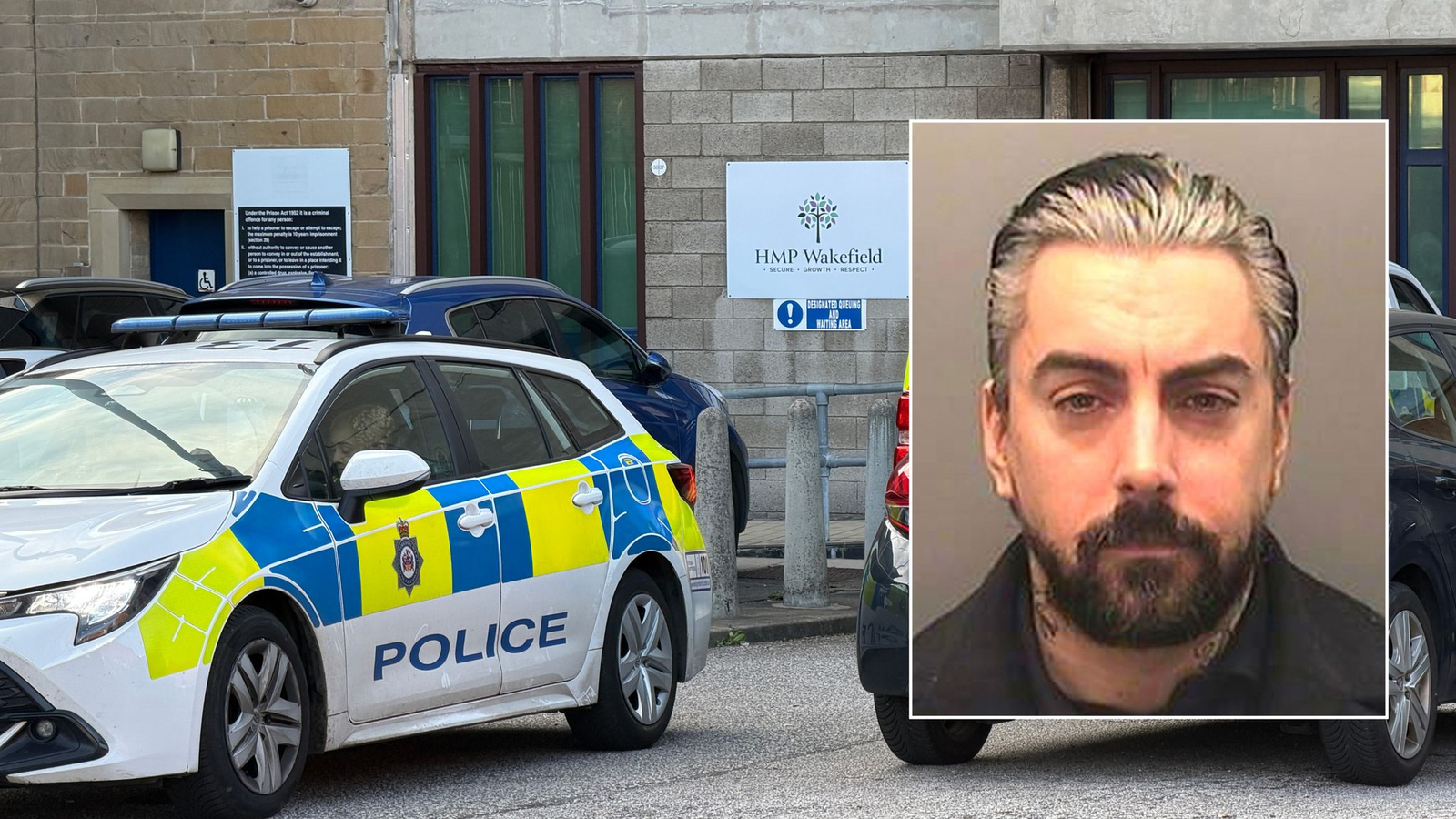
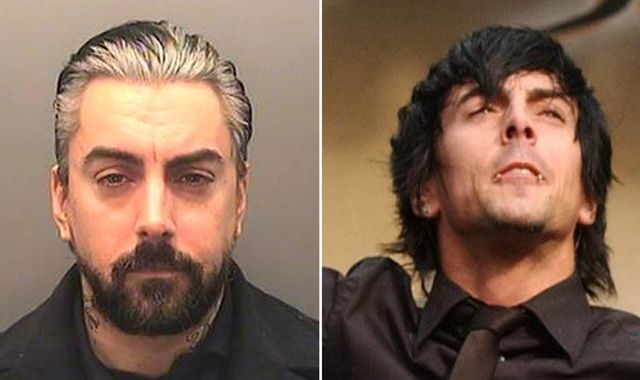
The shocking death of Ian Watkins, former frontman of the Welsh rock band Lostprophets and a convicted pedophile, has reignited debate over prison safety, inmate hierarchy, and the management of high-risk offenders in the United Kingdom’s most notorious correctional facilities. Watkins, who was serving a lengthy sentence at HMP Wakefield, was fatally stabbed by fellow inmates, leading to the arrest of two men as police launch a full murder investigation. The incident underscores the enduring volatility within prisons housing violent and sexual offenders, and the profound dangers that persist even under the tightest security measures.
The Violent End of a Disgraced Musician
Ian Watkins, aged 48 at the time of his death, was once the lead vocalist of Lostprophets, a rock band that achieved international success in the 2000s with hits such as “Last Train Home” and “Rooftops.” His musical career, however, collapsed in 2012 when he was arrested and subsequently convicted of a series of horrific sexual crimes involving children, including the attempted rape of a baby. In December 2013, Watkins pleaded guilty to 13 charges and received a 29-year prison sentence, alongside a further six years on extended license, for crimes that shocked the public and destroyed his reputation.
Ian Watkins was housed in HMP Wakefield, one of Britain’s highest-security prisons, located in West Yorkshire. Known as “Monster Mansion,” the facility is infamous for holding some of the UK’s most dangerous criminals, including serial killers and child sex offenders. It has long been regarded as one of the most challenging environments in the prison system, both for staff and inmates.
On Saturday, October 12, 2025, emergency services were called to the prison following reports of a violent incident. Watkins was found with multiple stab wounds and was pronounced dead shortly afterward. According to the BBC, two men, aged 25 and 43, were arrested on suspicion of murder. Authorities have confirmed that a full investigation is underway but have withheld the identities of the suspects while inquiries continue. The details surrounding the weapon used and the precise circumstances of the attack have not yet been disclosed.
The killing of Watkins, though shocking, did not come entirely without warning. In August 2023, he was attacked by three other inmates and sustained serious injuries to his neck, which required hospital treatment. That earlier assault raised questions about whether prison authorities were able to guarantee his safety, particularly given his notorious reputation among other prisoners. Sexual offenders, especially those involved in crimes against children, often occupy the lowest rung in the prison hierarchy and face routine violence and threats from fellow inmates. Ian Watkins’s previous encounter with violence suggested ongoing risks that, in hindsight, may not have been adequately addressed.
Escalating Violence and Safety Failures at HMP Wakefield
The recent killing of Ian Watkins has highlighted growing concerns about conditions within HMP Wakefield, a facility that has been the subject of repeated warnings from inspectors and watchdogs. A report released only weeks before Watkins’s death revealed that violence at the prison had “increased markedly,” with a particular rise in attacks against older inmates and those convicted of sexual offenses. The Chief Inspector of Prisons found that many prisoners felt unsafe and that tensions were escalating due to the changing composition of the inmate population.
Traditionally, HMP Wakefield has housed long-term prisoners serving sentences for murder, rape, and child abuse. However, in recent years, a demographic shift has occurred, with a growing number of younger, more volatile inmates being placed alongside older men convicted of sexual crimes. The result, according to the report, has been a dangerous imbalance that fuels aggression and resentment. Many older inmates, particularly those serving long sentences for sex offenses, now express fear for their personal safety.
The inspection report painted a troubling picture of neglect, noting that the prison’s infrastructure was struggling to cope with rising numbers and complex behavioral problems. Staff shortages, aging facilities, and limited resources for supervision have all contributed to a deteriorating environment. The report also emphasized the need for stronger protective measures for vulnerable prisoners, yet little appears to have changed since its publication. Watkins’s murder, coming so soon after these warnings, has prompted scrutiny of whether authorities acted swiftly enough to mitigate the known risks.
The Ministry of Justice has confirmed that it is cooperating with the ongoing police investigation, while the Prison and Probation Ombudsman is expected to conduct a separate inquiry into the circumstances surrounding Watkins’s death. Early reports indicate that the attack occurred within a communal area, suggesting potential lapses in monitoring or segregation protocols. Prison unions have repeatedly called for more staff and better training to handle high-risk inmates, warning that under-resourced institutions are ill-equipped to prevent such violent incidents.
HMP Wakefield has a long and dark history of violence. Established in 1594, it has evolved into one of Britain’s most secure facilities, yet it remains a flashpoint for attacks. Over the decades, it has housed infamous figures including serial killers Robert Maudsley, Roy Whiting, and Harold Shipman. Inmates convicted of sexual crimes, in particular, have been frequent targets of retribution by fellow prisoners. While such violence is often dismissed as an inevitable feature of prison life, the scale of recent attacks raises serious questions about the management of safety in what is supposed to be a controlled environment.
A Legacy of Infamy and the Question of Prison Justice
The death of Ian Watkins has reignited a polarizing public debate over justice, morality, and punishment within the prison system. To many, Watkins was the embodiment of evil — a man whose crimes were so vile that his death might seem to some as a grim form of poetic justice. Yet within the framework of law, every prisoner, regardless of their offense, is entitled to safety and humane treatment while serving their sentence. The killing of any inmate in custody represents a failure of the state’s duty of care, no matter how reviled the individual.
For Watkins, prison life was marked by notoriety and fear. After his 2013 conviction, he was moved between several facilities for his own protection before being transferred to HMP Wakefield. Even in custody, controversy followed him. In 2019, he was caught with a mobile phone hidden inside his cell, an offense for which he received an additional ten-month sentence. During the subsequent trial, Watkins claimed he had been coerced by other prisoners into holding the device and refused to name them, citing fear for his life. His statement to the court painted a vivid picture of his environment: he described being surrounded by “murderers, mass murderers, rapists, pedophiles, serial killers — the worst of the worst.”
That account reflected not only his own perilous position but also the chaotic social dynamics of prisons like Wakefield, where violence and intimidation are constant realities. Inmates convicted of sexual crimes are often segregated or placed in specialized units for their protection, yet full separation is rarely achievable. Watkins’s decision to remain largely silent about the dangers he faced — and the identity of those who may have targeted him — suggests a deep-seated culture of fear and retaliation.
The ethical dimension of his death cannot be overlooked. While the crimes for which Watkins was convicted were abhorrent, his killing raises uncomfortable questions about the nature of justice in custody. Should society accept violence against certain prisoners as inevitable, or even deserved? Or does such acceptance erode the moral foundation of the justice system itself? The principle of incarceration is punishment through confinement — not death at the hands of fellow inmates. If prisons cannot guarantee the safety of even the most despised offenders, the legitimacy of the system comes into question.

Authorities now face a delicate task: to investigate Watkins’s murder transparently, ensure accountability for any failings, and reinforce the message that no inmate is beyond the protection of the law. The case will likely prompt renewed scrutiny of the safety of sex offenders in British prisons, as well as the operational capacity of high-security institutions to prevent targeted killings.
Watkins’s death also brings an eerie close to one of Britain’s most disturbing criminal sagas. His crimes, trial, and imprisonment marked one of the darkest chapters in modern UK music history, permanently tarnishing the legacy of Lostprophets. Many former fans and fellow musicians have long sought to distance themselves from his name, while survivors of his crimes continue to grapple with the enduring trauma he caused.
For the families of victims, his murder may evoke conflicting emotions — a grim sense of closure, perhaps, mixed with the discomfort of knowing that justice was delivered not by the courts, but by violence behind prison walls. For the prison system, it serves as a warning of the fragile balance that exists between control and chaos within even the most fortified institutions.
As investigations continue, the case of Ian Watkins will likely remain a focal point for broader conversations about prison reform, offender management, and the ethical limits of retribution. The two men now accused of his murder will themselves face the justice system — a cycle that underscores the inescapable truth that, within prison walls, violence rarely ends with a single act.
References:
Los angeles casino
References:
https://diego-maradona-ar.org/user/gluewoman2/
References:
Roulette blackshot
References:
https://raindrop.io/beardseed2/shafferthurston3748-68993068