
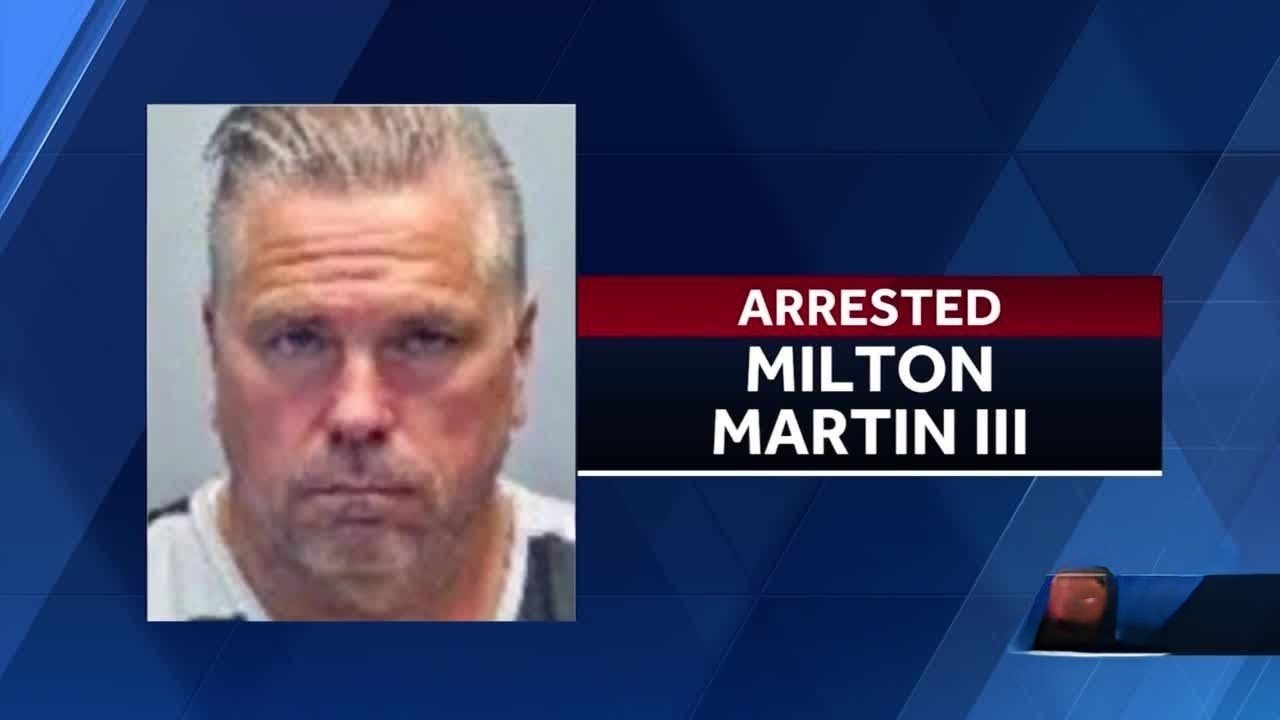
In a courtroom in Chalmette, Louisiana, a case that has shaken the local community and highlighted ongoing issues of abuse within religious institutions came to a partial resolution. Milton Otto Martin III, a 58-year-old Pentecostal pastor, was convicted of indecent behavior with a juvenile following a three-day trial. While he was acquitted of the more severe charge of statutory rape—known in Louisiana as felony carnal knowledge—the guilty verdict marks a significant step toward accountability.
Martin, who led Chalmette’s First Pentecostal Church, now faces up to seven years in prison and mandatory registration as a sex offender. His sentencing is tentatively scheduled for January 15, adding to a growing list of high-profile religious abuse cases in the New Orleans area. This conviction not only underscores the vulnerabilities of young congregants but also raises questions about oversight in faith-based organizations. As details from the trial emerge, the story reveals a pattern of alleged misconduct that authorities say involved multiple victims, though the charges focused on just one.
The Verdict: A Split Decision with Serious Consequences
The jury’s decision on Thursday was a mixed bag for both the prosecution and the defense. After deliberating on the evidence presented over three days, they found Martin guilty of indecent behavior with a juvenile but not guilty of statutory rape. This outcome reflects the complexities of proving such crimes, especially when they rely heavily on victim testimony and historical accounts. According to charging documents, the indecent behavior occurred when the victim was between 15 and 17 years old, spanning a period that included manipulative and abusive encounters. The statutory rape charge stemmed from an alleged incident of oral sex when she was 16, around 2011.
Prosecutors Barry Milligan and Erica Moore from the Louisiana Attorney General’s office led the case, presenting evidence that painted Martin as a predator who exploited his position of authority. State Attorney General Liz Murrill praised their efforts in a statement, calling it “great work” in securing justice for the victim. “We will never stop fighting to protect the children of Louisiana,” Murrill emphasized, signaling a broader commitment to combating child exploitation in the state.
For Martin, the consequences are immediate and far-reaching. Following the verdict, he was remanded without bail to the custody of the local sheriff’s office, where he awaits sentencing. The maximum penalty for indecent behavior with a juvenile is seven years, but the requirement to register as a sex offender will follow him for life, potentially restricting his movements, employment, and interactions within the community. His attorney, Jeff Hufft, did not immediately respond to requests for comment, leaving many to speculate on whether an appeal might be forthcoming.
Investigators from the Louisiana State Police spoke with several alleged victims during their probe, but the trial focused on testimony from just two, with charges pertaining to only one. This selective approach highlights the challenges in building cases against figures in positions of power, where victims may hesitate to come forward due to fear of retaliation or community backlash.
A pastor in Louisiana has been convicted of sexually abusing a minor in his church. Milton Otto Martin III, 58, faces 7 years in prison. Members of his congregation showed up in large numbers to support him at his trial. pic.twitter.com/nbbsIlTZJ6
— Fifty Shades of Whey (@davenewworld_2) December 13, 2025
Authorities arrested Martin in March 2023 after the primary accuser, now about 30, reported him. He posted bail, pleaded not guilty, and the trial commenced under state court Judge Darren Roy. The split verdict may stem from uncertainties in the victim’s initial reporting of her age during the alleged carnal knowledge incident, as noted by her attorney, John Denenea. Despite the acquittal on the graver charge, the conviction ensures Martin is held accountable, at least in part, for his actions.
The Victim’s Testimony: Courage Amidst Adversity
At the heart of this case is the bravery of the victim, whose testimony proved pivotal in securing the conviction. Now in her early 30s, she recounted experiences that began when she was a teenage congregant at Martin’s church. According to a parallel civil lawsuit, Martin would allegedly take her on four-wheeler rides, using these outings as opportunities to sexually abuse her during breaks. These excursions, meant to build trust under the guise of pastoral care, instead became sites of exploitation.
The victim’s attorneys—John Denenea, Richard Trahant, and Soren Gisleson—issued a statement lauding her resilience. “That was the most courageous thing I’ve ever seen a young woman do,” they said, emphasizing the emotional toll of testifying against a revered community figure.
Read : China Detains Pastor Ezra Jin Mingri of Zion Church Along with Dozens of Staff and Members
Throughout the trial, large numbers of church members showed up to support Martin, creating an intimidating atmosphere. Denenea described it as the first time in his career that he and a client needed deputies to escort them from the courthouse for safety. This support for the accused underscores the divided loyalties within religious communities, where leaders often enjoy unquestioned authority.
Denenea highlighted how the victim’s Wednesday testimony swayed the jury, providing vivid details that corroborated the indecent behavior charges. By coming forward, she not only sought justice for herself but also aimed to protect others. “She has also protected many other young women from this convicted predator,” her lawyers noted. After her initial report to state police, other accusers emerged with similar stories dating back further, suggesting a pattern of behavior that may have spanned years.
The trial’s focus on this single victim, despite multiple allegations, points to the strategic decisions made by prosecutors to strengthen their case. While authorities investigated broader claims, limiting the scope allowed for a more concentrated presentation of evidence. The victim’s decision to speak out, despite the personal risks, serves as a powerful reminder of the strength required to challenge institutional power. In a region still grappling with the aftermath of other abuse scandals, her story amplifies the voices of survivors who often face skepticism and isolation.
Broader Implications: Connections to Other Scandals and Ongoing Litigation
Martin’s case does not exist in isolation; it echoes larger patterns of religious abuse in Louisiana, particularly in the New Orleans area. Although unrelated to the Roman Catholic Archdiocese of New Orleans’ clergy molestation scandal—which led to federal bankruptcy in 2020—the two share notable connections. State Police Detective Scott Rodrigue, who investigated Martin, also pursued retired priest Lawrence Hecker, a serial child molester shielded by church superiors for decades. Rodrigue’s work resulted in Hecker’s arrest, conviction, and life sentence for child rape, just before Hecker’s death in December 2024.

Adding another layer, the victim’s attorneys—Denenea, Trahant, and Gisleson—represented the survivor in Hecker’s case as well. This overlap illustrates a network of legal and investigative efforts aimed at dismantling protections for abusers in religious settings. The Pentecostal context of Martin’s church introduces questions about accountability in non-Catholic denominations, where oversight might be less centralized.
With the criminal case resolved, the civil lawsuit against Martin can proceed. Filed by the victim, it accuses the First Pentecostal Church of failing to investigate earlier sexual abuse claims against him. It also targets the Worldwide Pentecostal Fellowships, alleging inadequate supervision of Martin around children. The suit demands damages from both entities, potentially exposing systemic failures in how complaints are handled within these organizations.
This conviction could encourage more victims to come forward, fostering a cultural shift toward greater transparency in faith communities. In Louisiana, where religious institutions play a central role in social life, such cases challenge the blind trust often afforded to leaders. As Murrill’s office continues its fight, the emphasis on protecting children signals a proactive stance against exploitation.
Martin’s story is a sobering reminder of the dark undercurrents that can lurk beneath the surface of spiritual guidance. While the split verdict offers partial closure, it leaves lingering questions about justice for all alleged victims. As sentencing approaches, the community watches closely, hoping this marks the beginning of real change.
Signed up for 188betvvip recently, and the VIP perks are actually worth it. It’s a class act. See for yourself at 188betvvip.