

In a recent employment tribunal case that has captured significant attention, Lucasz Zawadzki, a warehouse worker at a Co-operative Group facility in Manchester, England, was awarded over £10,000 in compensation after being unfairly dismissed.
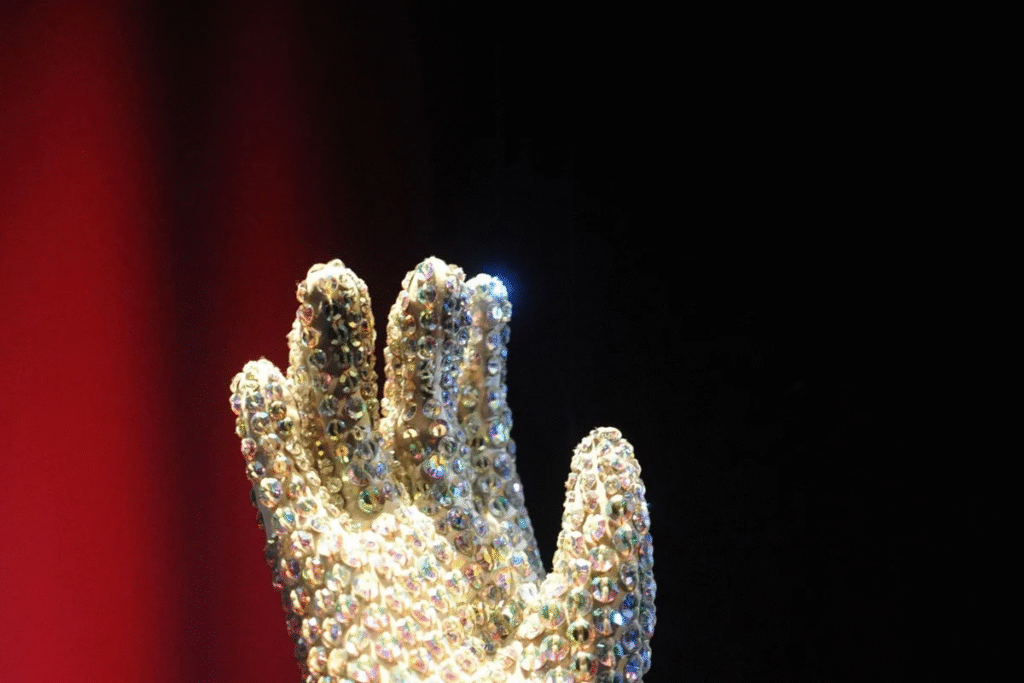
The dismissal stemmed from allegations that Zawadzki made high-pitched “hee hee” noises, purportedly mimicking the late pop star Michael Jackson, in the presence of a colleague. The case, decided on July 28, 2025, by Employment Judge Carol Porter, has sparked widespread discussion about workplace conduct, the boundaries of harassment, and the importance of due process in employment disputes.
The Allegations and Workplace Incident
The incident that led to Lucasz Zawadzki’s dismissal occurred at a Co-operative Group warehouse, where he had been employed for eight years. In December 2023, a colleague, referred to as SM in tribunal documents, reported to their manager that they felt bullied by Zawadzki. According to SM, who is Black, Zawadzki had made high-pitched “hee hee” noises, which SM interpreted as an impersonation of Michael Jackson.
Additionally, SM accused Lucasz Zawadzki of making “monkey noises” and engaging in racist behavior, allegations that carried significant weight given the racial implications. Zawadzki admitted to making noises in the workplace, which he described as “embarrassing and juvenile.”
He acknowledged engaging in “grunting and moaning” sounds alongside another colleague, which he conceded could be perceived as “orgasmic” and inappropriate for a professional setting. However, he firmly denied impersonating Michael Jackson or making monkey noises, emphasizing that he had no intention to bully or cause distress to anyone. Zawadzki also noted that he had worked alongside SM for a considerable period without prior complaints about his conduct.
Read : DOJ Employee Sean Charles Dunn Arrested for Throwing Sandwich at Federal Agent
The Co-operative Group responded swiftly to SM’s complaint, suspending Lucasz Zawadzki on December 21, 2023, for an alleged breach of their bullying, harassment, and discrimination policy. The company’s zero-tolerance stance on such matters led to an investigation, during which colleagues provided mixed accounts.
One colleague reported hearing “squealing” noises but did not associate them with racism, while another suggested the noises might have been directed at a female colleague rather than SM. Despite these inconsistencies, Zawadzki was summarily dismissed on March 7, 2024, with the dismissal letter inaccurately implying that he had admitted to making “Michael Jackson” or “monkey” noises.
The Tribunal’s Ruling and Compensation Award
The employment tribunal, presided over by Judge Carol Porter, scrutinized the evidence and the Co-operative Group’s handling of the case. The tribunal found that the dismissal was unfair for several reasons. First, there was insufficient evidence to substantiate SM’s claims that Zawadzki’s noises were racially motivated or specifically targeted to cause distress.
The judge noted that Zawadzki’s admitted behavior, while inappropriate, did not meet the threshold for gross misconduct under the company’s policies. Furthermore, the tribunal criticized the Co-operative Group for failing to demonstrate that Zawadzki was adequately informed of the company’s zero-tolerance policy or given prior warnings about his conduct.

Judge Porter’s ruling emphasized that employers must provide clear evidence that an employee’s actions caused genuine harm and that proper procedures were followed before dismissal. The tribunal found that the Co-operative Group’s investigation was lacking, as it relied heavily on SM’s allegations without corroborating evidence from other witnesses. Additionally, the dismissal letter’s misrepresentation of Zawadzki’s admissions further undermined the fairness of the process.
As a result, Lucasz Zawadzki was awarded £10,611.05 in compensation, equivalent to approximately $14,301.28. This amount included a basic award of £2,070 and a compensatory award of £8,541.05. However, the tribunal applied a 50 percent reduction to the award due to Zawadzki’s “culpable and blameworthy” behavior, acknowledging that his inappropriate noises could have been offensive or humiliating to colleagues, even if not racially motivated. The ruling underscored the need for employers to balance swift action against harassment with fair and transparent disciplinary processes.
Implications for Workplace Policies and Employee Rights
The Zawadzki case has far-reaching implications for how organizations define and enforce workplace conduct policies. It highlights the delicate balance between addressing complaints of harassment and ensuring that disciplinary actions are proportionate and evidence-based. The tribunal’s decision serves as a reminder that employers must clearly communicate workplace rules to employees and provide training to prevent misunderstandings. In this case, Zawadzki’s lack of awareness about the company’s zero-tolerance policy was a key factor in the tribunal’s finding of unfair dismissal.
Moreover, the case raises questions about the interpretation of workplace banter and its potential to cross into harassment. Zawadzki’s noises, while juvenile, were not found to have caused the level of distress alleged by SM. This underscores the importance of distinguishing between inappropriate behavior and actions that constitute bullying or harassment under employment law. Employers must ensure that investigations are thorough and impartial, gathering evidence from multiple sources to avoid relying solely on one individual’s account.
The ruling also has broader significance for employment law beyond the UK. In jurisdictions like the United States, similar standards apply, requiring employers to demonstrate that misconduct violated policy and had a tangible impact on the workplace environment. The Zawadzki case illustrates the legal and financial risks of dismissing employees without sufficient evidence or due process, potentially prompting organizations worldwide to review their disciplinary procedures.
For employees, the case highlights the importance of understanding workplace policies and seeking recourse through employment tribunals when unfairly treated. Zawadzki’s success in challenging his dismissal demonstrates that tribunals can provide a critical avenue for redress, particularly when employers fail to follow fair procedures. However, the 50 percent reduction in his compensation also serves as a cautionary note that employees must be mindful of their own conduct, as inappropriate behavior can still impact the outcome of such cases.
The public reaction to the case, as reported by outlets like BBC News, The Telegraph, and The Independent, has sparked debate about workplace dynamics and the boundaries of acceptable behavior. Some view the ruling as a victory for employee rights, emphasizing the need for fair treatment in disciplinary matters. Others argue that it highlights the challenges employers face in addressing sensitive complaints, particularly those involving allegations of racism. The case serves as a call for organizations to foster open communication, provide clear guidelines, and ensure that all employees feel safe and respected in the workplace.
In conclusion, the Lucasz Zawadzki case is a compelling example of the complexities surrounding workplace conduct and disciplinary actions. It underscores the importance of evidence-based investigations, clear communication of policies, and adherence to fair procedures.
For Zawadzki, the tribunal’s ruling provided vindication and financial compensation, but it also highlighted the personal and professional toll of such disputes. For employers, the case is a wake-up call to review their approach to workplace conduct, ensuring that policies are not only enforced but also clearly understood by all employees. As workplaces continue to navigate the evolving landscape of employee relations, cases like this will remain critical in shaping fair and equitable practices.
What’s up to every one, because I am genuinely eager of reading this blog’s post to be
updated on a regular basis. It carries fastidious material.
I am really loving the theme/design of your site. Do you ever run into any web browser compatibility
issues? A few of my blog readers have complained about my
blog not operating correctly in Explorer but looks great
in Safari. Do you have any suggestions to help fix this problem?