
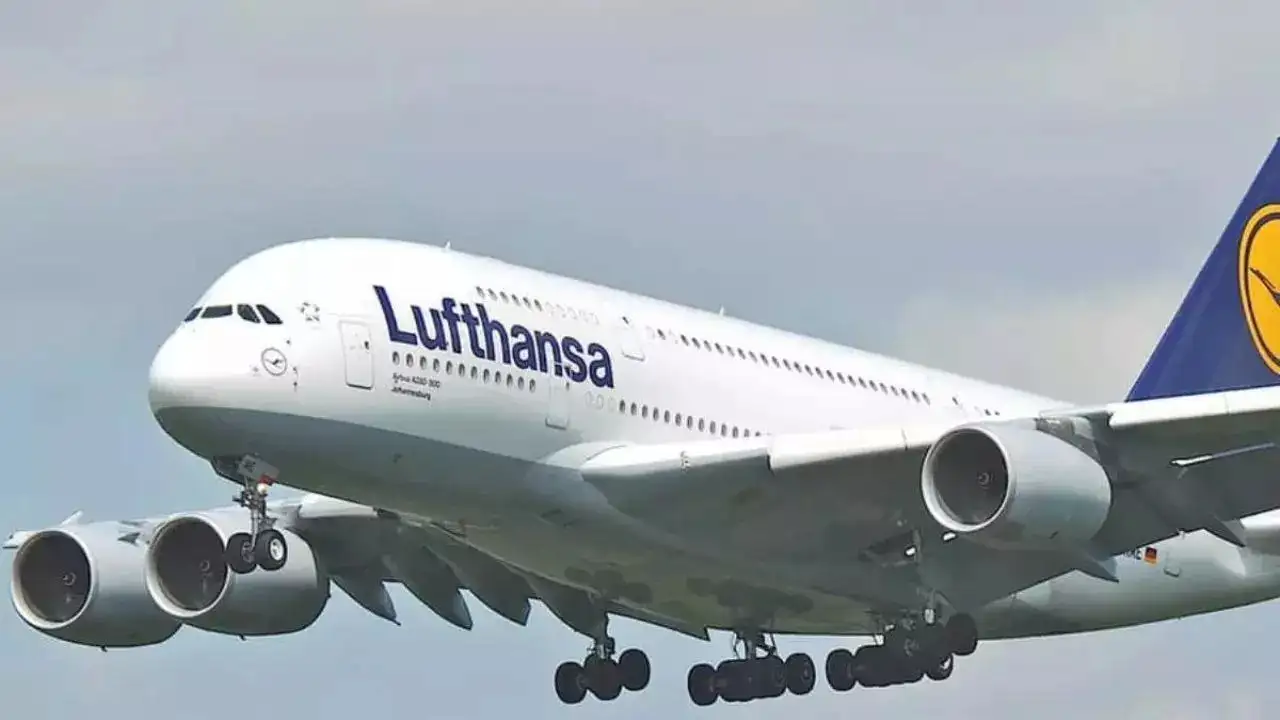
In an incident that sounds more like the plot of a suspense movie than a real-life aviation episode, a Lufthansa flight from Frankfurt to Seville was left momentarily pilotless when the co-pilot fainted mid-air, alone in the cockpit.
The situation became alarming when the Flight Flew 10 Minutes Without Pilot and without any conscious human at the controls—only saved by the marvels of modern autopilot systems.
This bizarre chain of events, which occurred on February 17, 2024, is now under intense scrutiny following the release of a report by Spain’s Civil Aviation Accident and Incident Investigation Commission (CIAIAC).
The Airbus A321 involved in the incident was carrying 199 passengers and six crew members. What was supposed to be a routine flight turned into a terrifying mystery when the first officer, left alone while the captain went to use the lavatory, suddenly lost consciousness.
As fate would have it, the door to the cockpit remained shut while the captain struggled to regain access, while the jetliner continued soaring through the skies on autopilot. The episode has sparked renewed concern over cockpit safety protocols, health emergencies in-flight, and how commercial airliners prepare for such rare but dangerous scenarios.
Flight Flew 10 Minutes Without Pilot
The flight had been smooth up to the point when the captain briefly left the cockpit to use the restroom. Under normal circumstances, this would be an uneventful moment, with the co-pilot maintaining communication and control of the aircraft.
However, shortly after the captain’s departure, the unimaginable occurred—the co-pilot reportedly fainted. The exact cause of his sudden medical emergency has not yet been publicly disclosed, but the situation turned critical very quickly.
During this alarming interval, the autopilot system engaged on the Airbus A321 ensured the aircraft maintained its flight path and altitude. The aircraft’s design allows for continued operation under autopilot in such conditions, but there are inherent limits to what automated systems can do without human supervision—particularly in emergencies.
Read : Nearly 700 Koalas Shot Dead From Helicopters to Save Them From Suffering After Massive Wildfire
Inside the cockpit, the voice recorder captured irregular noises, indicating a health crisis was occurring. According to investigators, these sounds matched those associated with someone experiencing a serious medical emergency, such as fainting or seizure-like activity.
Read : Our Pilots Not Capable of Flying Aircraft Given by India: Maldives Defence Minister
Outside the cockpit, the captain attempted multiple times to use the standard re-entry protocol to regain access. However, these attempts failed, likely because the unconscious co-pilot could not respond to the buzzer alert system that is designed to permit door access.
Locked Out of the Cockpit: The Captain’s Desperate Attempts to Re-Enter
As panic crept in, the captain was forced to rely on alternative methods to gain access to the flight deck. According to the CIAIAC report, the captain first used the normal door-opening code, triggering the cockpit’s buzzer—a system meant to alert the pilot inside to manually allow access. He tried this sequence five times without success. In the meantime, a flight attendant attempted to contact the co-pilot using the intercom, but with no response.
The seriousness of the situation became more apparent with every passing second. The captain, trained for high-stakes scenarios, decided to use the emergency access code. This special code, known only to authorized crew, overrides the standard cockpit lock system and opens the door automatically after a delay—assuming the person inside the cockpit doesn’t actively deny access within a certain time frame.
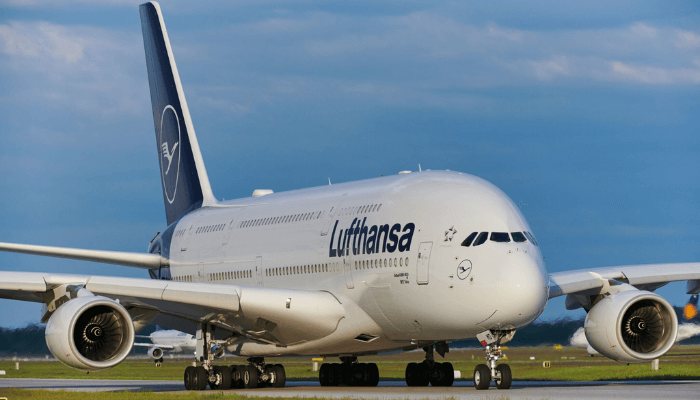
What happened next added a surreal twist to the already tense situation: just moments before the emergency override would have opened the door, the co-pilot, despite being unwell, managed to open it from the inside. This strange development suggests a brief moment of regained consciousness or instinctual motor function, even as he was in the midst of a medical crisis.
Once inside, the captain assumed full control of the aircraft. Recognizing the seriousness of his colleague’s condition and the potential implications for continued flight safety, he quickly opted to divert the flight. Madrid was the nearest suitable airport, and an emergency landing was executed without incident. Medical personnel were standing by to receive the ill co-pilot, who was immediately taken to a hospital for evaluation.
Implications and Aftermath: How Safe Are We in the Skies?
This chilling episode has reignited conversations around the fragility of even the most carefully designed aviation protocols. Lufthansa confirmed it is fully aware of the CIAIAC investigation and has also carried out its internal review of the event.
However, the company declined to share the results of its own inquiry publicly, at least for now. This silence has fueled speculation and concern among both passengers and aviation professionals.
Aviation experts and safety authorities will be paying close attention to how Lufthansa and the wider industry respond to this case. Questions are now being raised about the current procedures regarding cockpit access and solo pilot operations during flight.
Although it is standard procedure for one pilot to remain in the cockpit at all times, moments when one pilot briefly leaves the flight deck—such as for restroom breaks—do create brief windows of vulnerability.
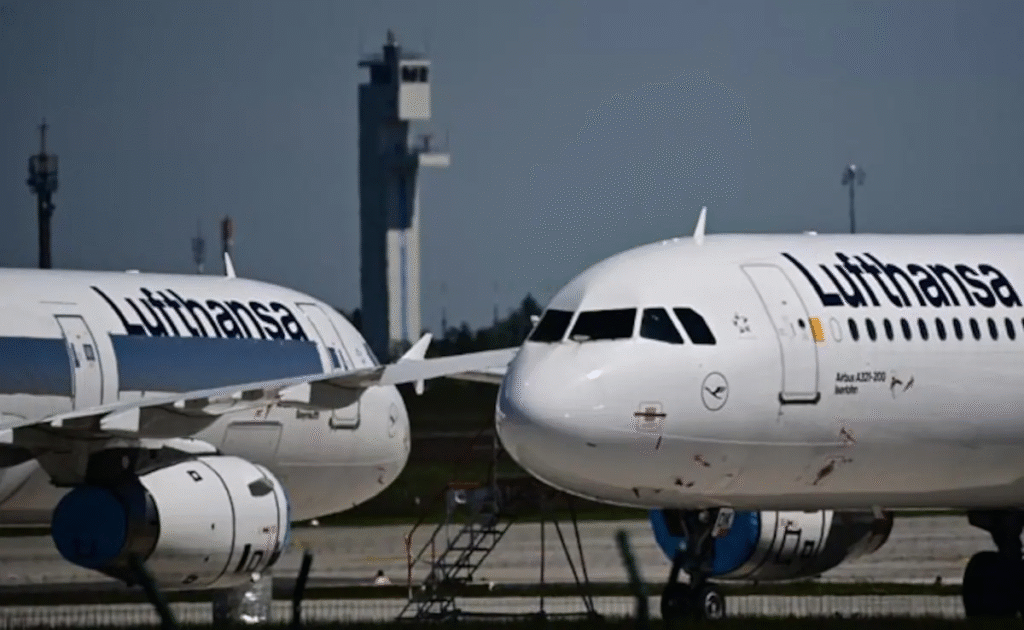
In many countries, regulations require that a flight attendant temporarily enter the cockpit when one pilot leaves, ensuring there is always another person in the flight deck. However, the implementation of this rule varies by airline and jurisdiction. Whether or not such a protocol was followed during this Lufthansa flight has not been made clear in the investigation report.
Autopilot technology, while advanced and capable of stabilizing the aircraft for extended periods, is not a substitute for human decision-making, particularly in the face of complex or unforeseen emergencies. Had the co-pilot’s episode triggered an aircraft system failure or if another critical incident had occurred during that 10-minute window, the consequences could have been catastrophic.
There are also serious health-related questions to consider. While all commercial pilots undergo rigorous health assessments before they are allowed to operate flights, sudden health episodes can still occur. Experts may now re-examine the frequency and scope of medical evaluations for flight crew, including whether more proactive monitoring could prevent such incidents.
Public confidence in air travel, one of the safest modes of transportation, largely hinges on trust in procedures and human capability. Stories like this, while rare, underline the fact that even the most carefully calibrated systems can face unpredictable challenges. As commercial aviation continues to evolve, blending human skill with cutting-edge automation, this Lufthansa incident stands as a stark reminder of the importance of being prepared for the unexpected.
In the weeks and months ahead, aviation regulators across Europe and the world will likely analyze this report in detail and determine whether new guidelines or cockpit protocols need to be introduced. Whether that means changes to emergency door access, co-pilot health screening, or inflight staffing arrangements, this incident has certainly left a lasting impression on the aviation industry.
Passengers on that flight, while ultimately safe, lived through an ordeal few could have anticipated. For them, it was a reminder of how fragile the line is between routine and emergency. For Lufthansa and the global aviation community, it has become a case study in the importance of vigilance, technology, and the human element in keeping our skies safe.