

A deadly botulism outbreak in southern Italy has claimed the life of artist Luigi Di Sarno, aged 52, and left nine others hospitalised. This tragic incident, linked to contaminated broccoli sandwiches sold from a food truck in the Cosenza province, has raised serious concerns about food safety and public health protocols.
Botulism, a rare but potentially fatal illness caused by toxins from Clostridium botulinum bacteria, attacks the nervous system and can cause paralysis. The recent outbreak highlights the need for vigilance in food preparation and immediate medical intervention.
The Tragic Incident: Luigi Di Sarno and the Botulism Outbreak
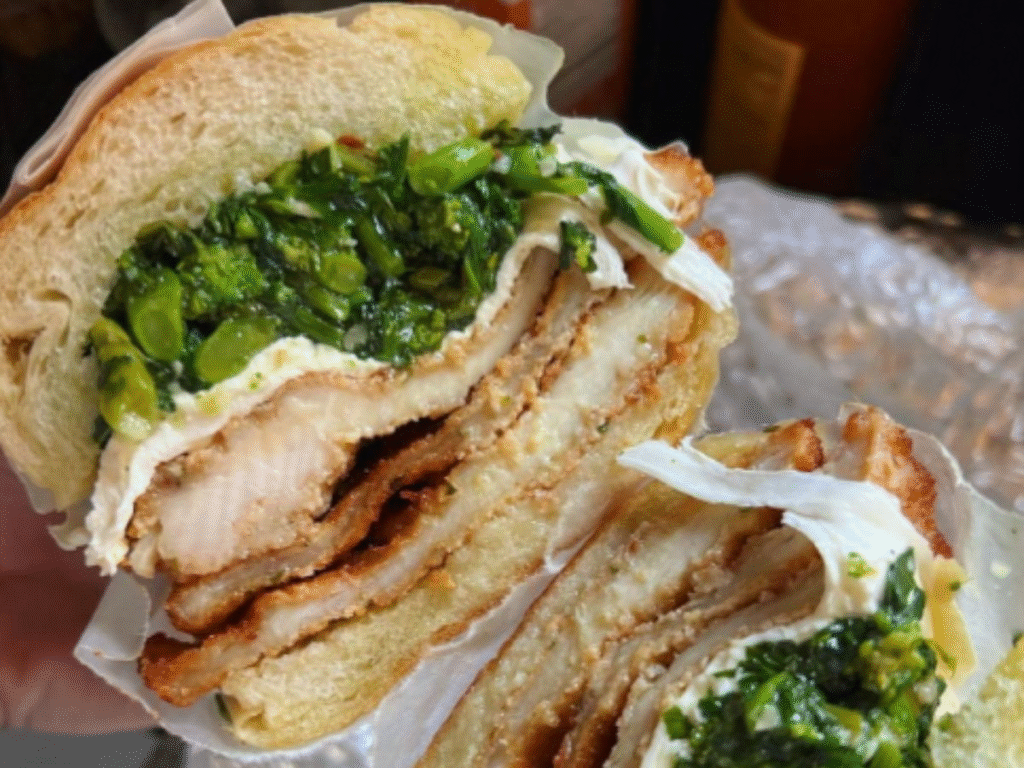
On a day that began like any other, 52-year-old artist Luigi Di Sarno purchased a broccoli sandwich from a food truck in southern Italy’s Cosenza province. Unbeknownst to him, this seemingly innocuous meal was contaminated with the deadly botulinum toxin. Shortly after consumption, Mr. Di Sarno collapsed, and despite medical efforts, tragically passed away en route to the hospital.
Alongside him, nine other individuals—including two teenagers and two women in their 40s—were hospitalised and admitted to the intensive care unit of Annunziata Hospital. The connection between the outbreak and the contaminated broccoli product became clear as investigations proceeded.
Authorities quickly identified that the botulism was linked to broccoli preserved in oil, a type of homemade preserve known to be a potential risk for botulinum toxin growth if not prepared and stored correctly. The food truck responsible for selling these sandwiches was seized, and the suspected commercial product was confiscated to prevent further cases.
Read : The Global Feast: Top 10 Most Consumed Vegetables Worldwide
This incident struck a community already familiar with botulism scares. Only a month prior, eight people in Sardinia fell ill after consuming infected guacamole at an event. This pattern underscores the ongoing risk that improperly preserved foods pose to public health in Italy and worldwide.
Understanding Botulism: Causes, Symptoms, and Risks
Botulism is a rare but severe condition caused by toxins produced by Clostridium botulinum bacteria. These bacteria thrive in low-oxygen environments such as improperly canned or preserved foods, especially those prepared in oil or vacuum-packed containers without adequate sterilization. The toxin they release attacks the nervous system, leading to muscle paralysis and, in severe cases, respiratory failure.
Read : Mother Unplugs NICU Monitor of Baby to Summon a Nurse for a Sandwich
The symptoms of botulism typically begin with weakness, dizziness, and blurred vision, progressing to difficulty speaking, swallowing, and breathing. Without prompt treatment, the paralysis can become life-threatening. Despite its severity, botulism can be treated effectively if diagnosed early and managed with anti-toxin serums and supportive care.
In the case of the Cosenza outbreak, authorities quickly distributed anti-toxin serum across Italy, focusing on the regions most at risk. The Poison Control Centre in Pavia has been designated as the hub to diagnose and manage botulism cases, coordinating efforts between law enforcement, medical services, and the Red Cross. These swift actions are critical to prevent further fatalities and contain the spread.
Lessons in Food Safety and Prevention
The tragic death of Luigi Di Sarno serves as a grim reminder of the importance of strict food safety practices. Maria Rosaria Campitiello, Head of the Department of Prevention, Research, and Health Emergencies, emphasized the risks associated with homemade preserves, particularly those vacuum-packed or preserved in oil or water. Such foods can create ideal environments for Clostridium botulinum to produce its deadly toxins if not handled properly.
Consumers are urged to adhere to guidelines for the correct preparation, storage, and consumption of preserved foods. This includes ensuring proper sterilization, avoiding consumption of bulging or damaged containers, and consuming products within recommended time frames. Vendors and food service providers must also maintain rigorous hygiene and safety standards to prevent contamination.

The Italian authorities’ prompt seizure of the contaminated broccoli product and the food truck highlights the necessity for vigilant monitoring and regulation of food markets, especially those involving ready-to-eat street foods. Public awareness campaigns about the dangers of botulism and safe food handling can help reduce future risks.
The botulism outbreak in southern Italy that led to the death of Luigi Di Sarno and the hospitalisation of nine others is a tragic event underscoring the ongoing threats posed by improperly preserved foods. Botulism, while rare, remains a life-threatening condition requiring immediate medical attention and preventative action. The coordinated response by Italian health authorities and law enforcement demonstrates the importance of rapid intervention in such outbreaks.
This incident also highlights the crucial role of food safety education and regulation in protecting public health. As communities remember Luigi Di Sarno and call for justice, it is vital that lessons are learned to prevent similar tragedies in the future. Safe food handling, strict adherence to preservation guidelines, and swift medical treatment can save lives and prevent the devastating impact of botulism outbreaks.
References:
Supplements that get you jacked
References:
https://moxymuse.com/forums/users/flysex2/
References:
Casino twist
References:
https://matkafasi.com/user/ovalhedge57
References:
Anabolic stack review
References:
https://www.fcla.de/index.php/;focus=STRATP_com_cm4all_wdn_Flatpress_38266970&path=?x=entry:entry251219-071747%3Bcomments:1