
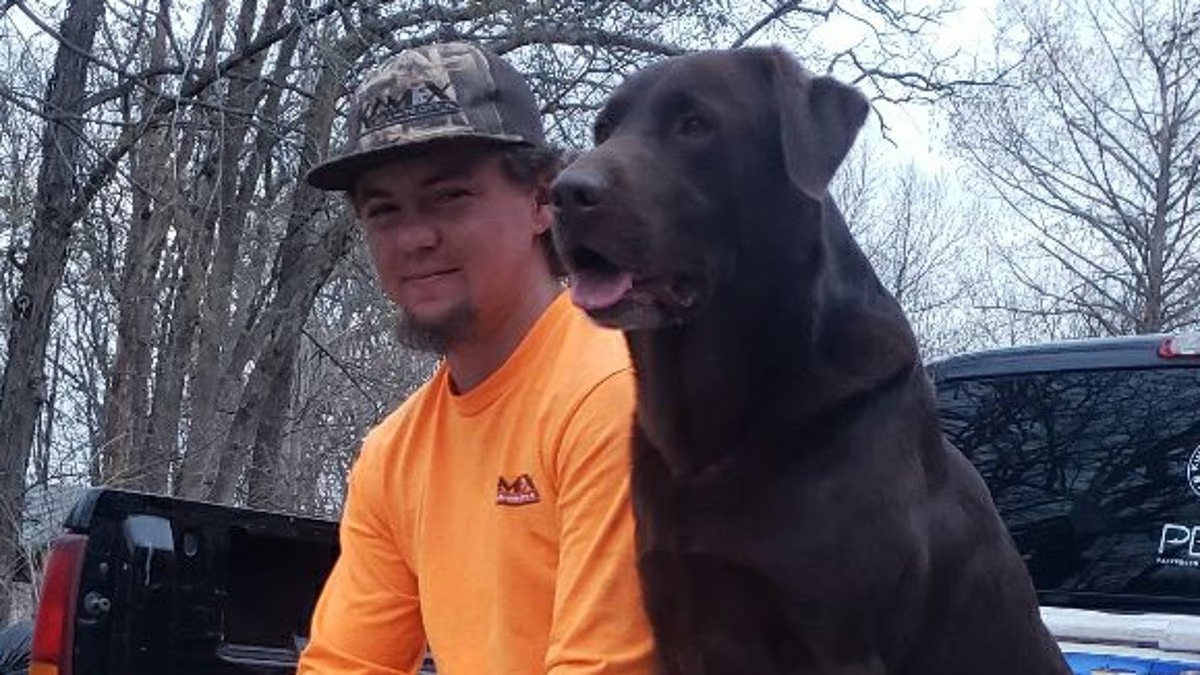
The death of 23-year-old Luke Kitterman has drawn attention to the dangers associated with winter hunting and frozen waterways, after the young Illinois man lost his life while attempting to rescue his dog from an icy pond. Authorities confirmed that Kitterman, an experienced goose hunter and outdoorsman, fell through the ice during a hunting trip and was later recovered following an extensive search operation.
The incident occurred in rural Illinois and involved multiple emergency response units, underscoring both the suddenness of the accident and the risks posed by unstable ice conditions. Luke Kitterman was hunting with friends when the accident occurred. According to officials, his dog, trained to retrieve geese, ran onto a frozen pond and fell through the ice while attempting to collect downed birds.
In a moment described by investigators as panicked and instinctive, Luke Kitterman went onto the ice to help the animal. The ice gave way beneath him, sending him into the freezing water. Despite efforts by his companions to reach him, Kitterman disappeared beneath the surface before they could pull him to safety.
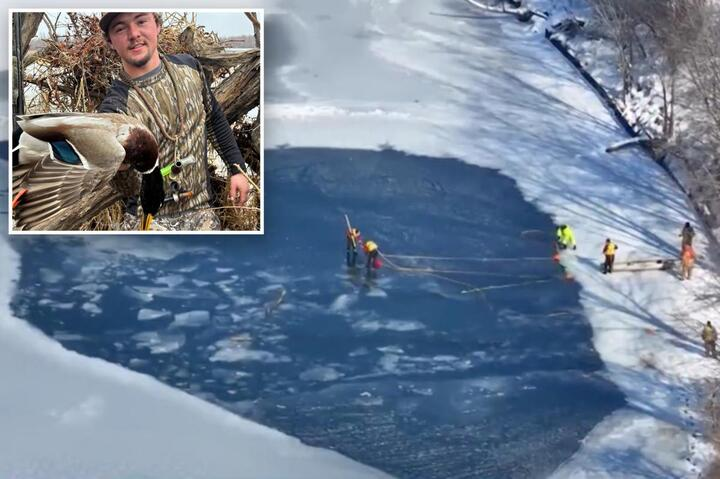
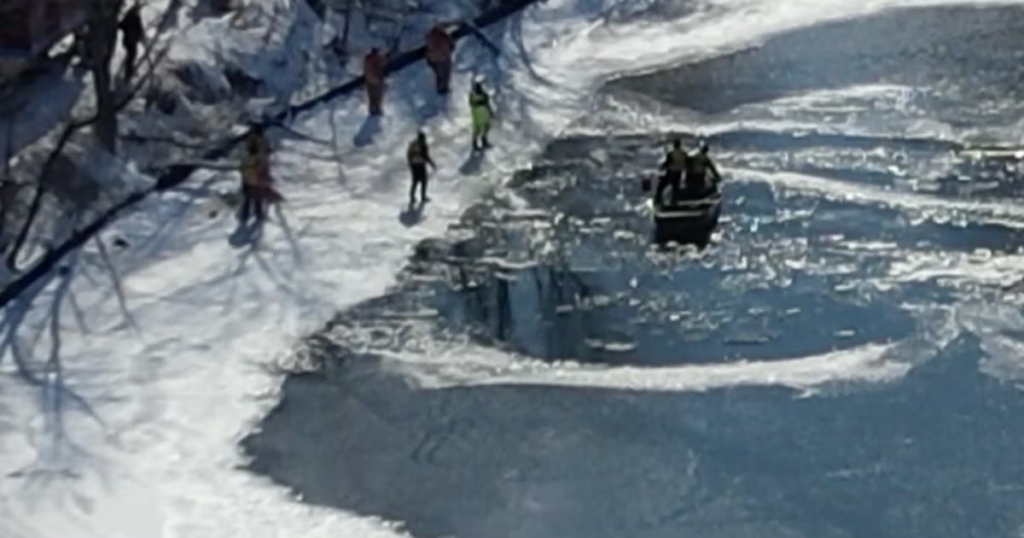
Emergency services were alerted shortly after the incident. Fire departments from multiple jurisdictions responded, including specialized dive teams. After several hours, the operation was downgraded from a rescue to a recovery, with Kitterman’s body located and retrieved the following day. His death has been widely reported across local and national media outlets, highlighting both the personal tragedy and the broader safety concerns surrounding winter outdoor activities.
Details of the Incident and Emergency Response
The New Baden Fire Department received a call shortly after 3 p.m. reporting that a man had fallen through the ice of a frozen pond. The location was described as a rural area commonly used for hunting, with winter conditions that made access and rescue particularly challenging. Recognizing the seriousness of the situation, multiple emergency units were dispatched, including a dive team from the Swansea Fire Department.
Officials said the pond was partially frozen, with ice that appeared solid in some areas but was dangerously thin in others. Such conditions are common during fluctuating winter temperatures, when surface ice may not be uniformly thick enough to support a person’s weight. According to Peyton Matthews of the Illinois Department of Natural Resources Conservation Police, the incident unfolded rapidly after the dog fell through the ice while retrieving geese during the hunt.
Matthews explained that Kitterman’s reaction was driven by concern for his dog, which had entered the water and was struggling. As he moved onto the ice to reach the animal, the surface gave way beneath him. Witnesses reported that he fell into the water and quickly submerged, making it difficult for his friends to maintain visual contact or attempt a direct rescue.
Kitterman’s companions attempted to assist using available equipment, including a canoe. They were able to retrieve the dog from the water, pulling it to safety. However, by the time they returned their focus to Luke Kitterman, he was no longer visible. The frigid temperatures and cold water significantly reduced the window for a successful rescue, a factor commonly cited by emergency responders in ice-related incidents.
Read : LaChunda Hunter Sues Novant Health Over Conflicting Reports on Premature Daughter’s Death
First responders worked at the scene for several hours, conducting searches under difficult conditions. As daylight faded and the likelihood of survival diminished, authorities transitioned the effort from rescue to recovery. The following day, divers located and recovered Kitterman’s body. Officials later confirmed his identity and notified his family.
Throughout the operation, several of Kitterman’s friends remained at the scene. Property owners nearby opened a warming center to provide shelter for first responders and those waiting for news, as cold temperatures persisted during the search. The coordinated response involved local fire departments, conservation police, and emergency medical services, reflecting the complexity of ice rescue and recovery operations.
Background on Luke Kitterman and His Life Outdoors
Luke Kitterman lived in New Memphis, Illinois, and was widely described by family and friends as someone deeply committed to outdoor life. According to his obituary, he was an avid outdoorsman who preferred being outside whenever possible. His interests included hunting, fishing, and boating, activities he pursued year-round and with considerable experience.
Kitterman was known among his peers as a skilled and responsible hunter. He was a member of Ducks Unlimited, an organization focused on wetland conservation and waterfowl habitat preservation. His involvement reflected a broader commitment to environmental stewardship, particularly in protecting forests, rivers, and lakes for future generations of hunters and fishermen.
Those who knew him described him as someone who valued both tradition and conservation. He took care to follow hunting regulations and emphasized sustainable practices, according to statements included in his obituary. Friends and family noted that he balanced his outdoor pursuits with strong personal relationships, enjoying time spent boating, socializing, and sharing meals and drinks with loved ones.
Kitterman’s passion for the outdoors was not limited to recreation. He reportedly took pride in maintaining natural spaces and understood the risks associated with hunting and fishing in challenging conditions. His experience, however, did not prevent the accident that ultimately claimed his life, illustrating how quickly circumstances can change in winter environments.
The loss has had a significant impact on his community. Local residents described him as well-known and well-liked, with many expressing shock at the suddenness of his death. Tributes from friends highlighted his enthusiasm for life and his willingness to help others, characteristics that were evident in his final moments as he attempted to rescue his dog.
Safety Risks of Frozen Waterways During Hunting Season
Incidents involving falls through ice are a recurring concern during winter months, particularly in regions where hunting and fishing activities take place on or near frozen bodies of water. Experts consistently warn that ice thickness can vary widely across a single pond or lake, influenced by factors such as water movement, vegetation, temperature changes, and snowfall.
Read : Who Is Lunden Roberts and Why Has She Filed a Motion Against Hunter Biden?
In hunting scenarios, the presence of dogs trained to retrieve game can introduce additional risks. Animals may venture onto ice that appears stable but is too thin to support a person’s weight. When a dog falls through, owners may instinctively attempt a rescue without proper equipment or safety measures, increasing the likelihood of a secondary victim.
Emergency officials often emphasize the importance of using safety gear when operating near frozen water, including ice picks, flotation devices, and ropes. They also recommend avoiding direct approaches to a person or animal that has fallen through the ice, instead using tools to reach from a safe distance. Training in cold-water rescue techniques can further reduce risk, though such situations remain highly dangerous even for experienced individuals.
The rapid onset of hypothermia is another critical factor. Cold water can incapacitate a person within minutes, limiting their ability to swim, hold onto objects, or call for help. This makes timely rescue essential but also complicates efforts, as would-be rescuers may themselves be exposed to the same hazards.
Authorities in Illinois and elsewhere regularly issue seasonal warnings about ice safety, particularly during periods of fluctuating temperatures. Conservation police and fire departments stress that no ice should be considered completely safe without proper testing, and even then, conditions can change unexpectedly.
The death of Luke Kitterman serves as a stark reminder of these risks. Despite his experience and familiarity with outdoor environments, a moment of urgency led to a fatal outcome. His case has prompted renewed discussion among hunting and conservation communities about safety practices, emergency preparedness, and the unpredictable nature of winter conditions on frozen waterways.
F*ckin’ remarkable things here. I am very glad to see your article. Thanks a lot and i am looking forward to contact you. Will you kindly drop me a mail?