
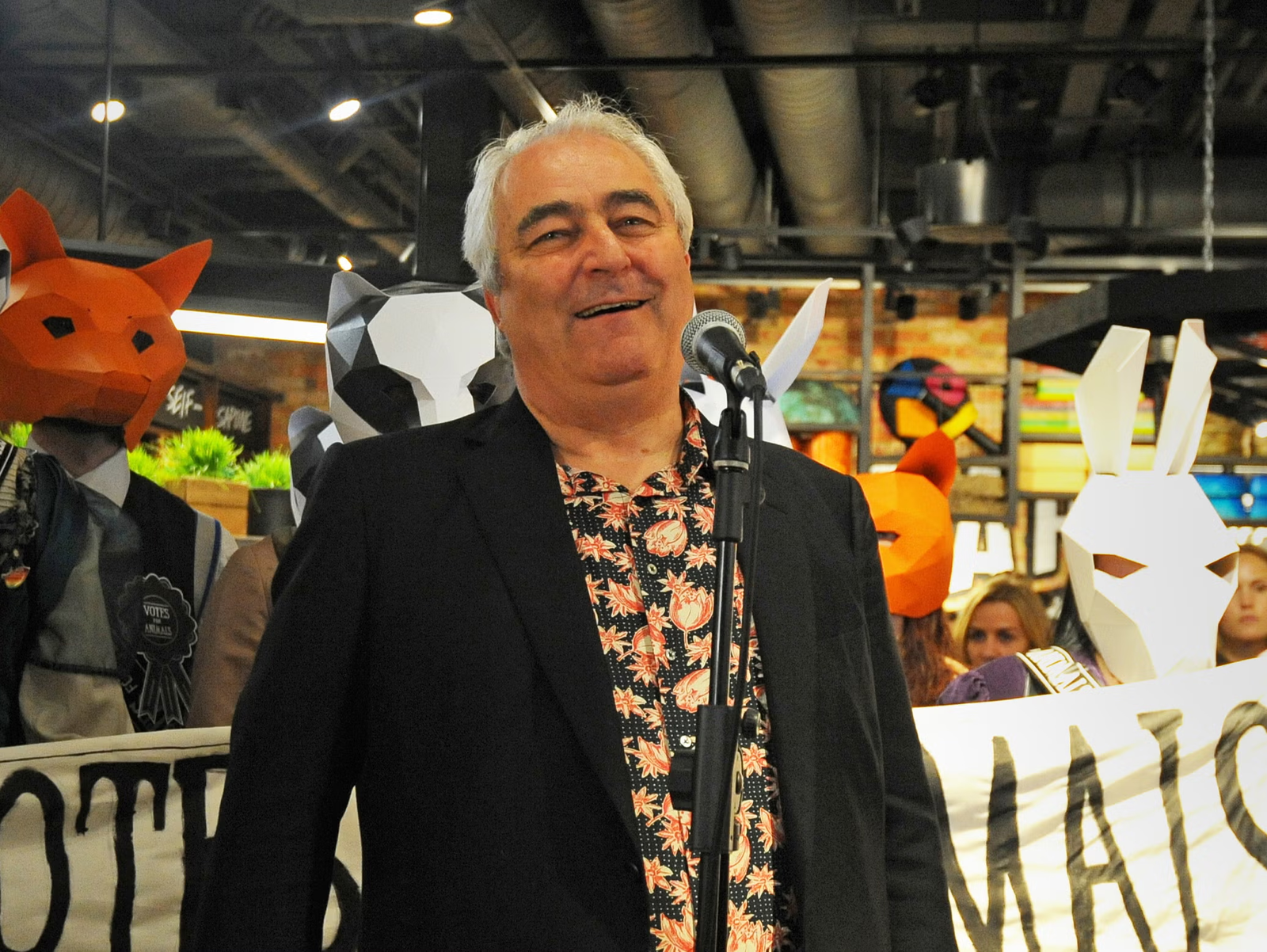
Mark Constantine OBE, the co-founder of cosmetics brand Lush, has once again placed himself at the centre of debate over the role of corporate leaders in political and humanitarian discourse. In remarks made on the BBC’s Big Boss Interview podcast, Constantine made it clear that he does not expect, or even want, support from customers who fundamentally disagree with his public stance on issues such as the humanitarian crisis in Gaza.
His comments have reignited discussion about ethical consumerism, corporate activism, and whether taking strong moral positions strengthens or undermines a global retail business. Coming from the leader of a brand long associated with campaigning, the remarks were not entirely unexpected, yet their bluntness marked a notable escalation in tone.
Lush has for decades positioned itself as more than a cosmetics retailer, integrating activism into its brand identity through campaigns on animal rights, environmental protection, and social justice. Constantine’s latest statements, however, directly challenge the assumption that businesses should strive to appeal to the broadest possible customer base. Instead, he has articulated a model of commerce that openly accepts, and even welcomes, the loss of customers who do not share the company’s ethical priorities.
A Clear Moral Line on Gaza and Corporate Responsibility
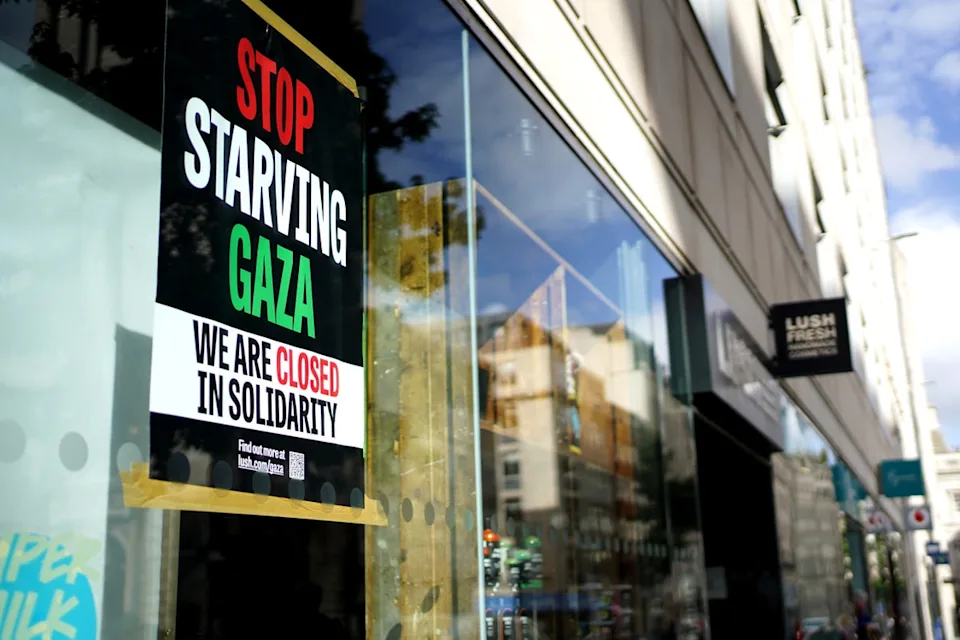
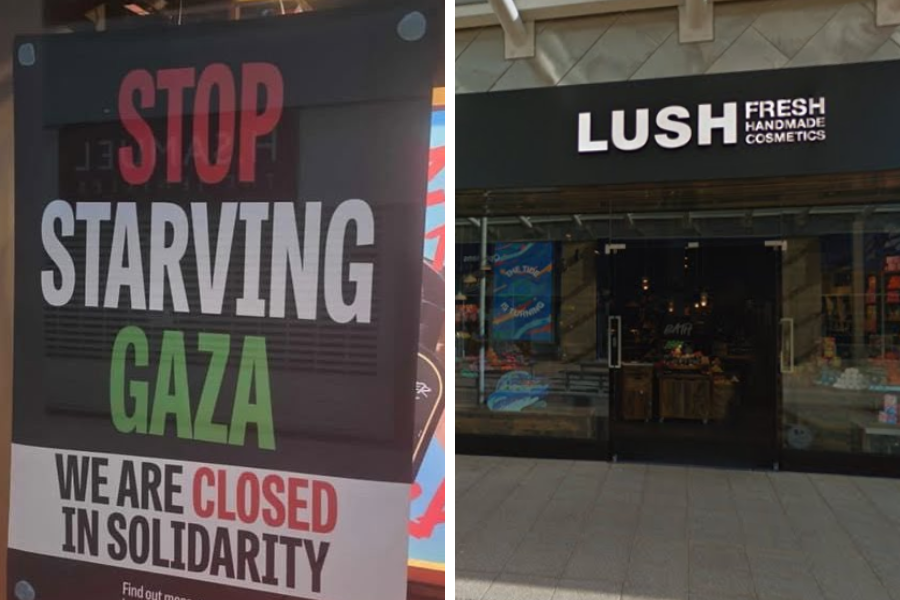
At the heart of the controversy are Mark Constantine OBE’s views on Gaza and the actions Lush has taken in response. Earlier this year, and again in September, the company shut all of its UK stores and closed its website for a day in solidarity with people in Gaza facing severe food shortages. Messages placed in shop windows during the closure read: “Stop starving Gaza, we are closed in solidarity.” The company also published a statement acknowledging the anguish felt by millions watching images of starvation and suffering in the region.
Speaking on the BBC podcast, Constantine defended these actions as a natural extension of values he believes should be universal rather than political. He rejected the notion that compassion equates to a left-wing stance, arguing instead that kindness, sympathy, and concern for others transcend ideology. In his view, disagreement with these principles reflects not a difference of opinion but a fundamental clash of values. It was in this context that he stated those who oppose his position “shouldn’t come into my shop.”
Constantine’s reasoning was explicit. If a customer disagrees with his stance and continues to shop at Lush, he argued, they are indirectly funding activities and messaging they oppose. From his perspective, the ethical choice for such consumers is to withdraw their custom entirely. He went further by challenging critics to consider where else they might spend their money and what values those alternative businesses support. This framing places ethical consistency squarely on the shoulders of consumers, positioning spending choices as moral acts rather than neutral transactions.
Read : Top Ten Businessmen in the World and Their Educational Qualifications
This approach reflects a long-standing tension in modern capitalism between shareholder value and stakeholder responsibility. While many companies engage in cause-related marketing or issue carefully worded statements during crises, fewer are willing to take actions that may directly affect revenue. Constantine’s comments suggest that, at least in his case, moral conviction takes precedence over short-term commercial considerations. Whether this represents principled leadership or unnecessary provocation depends largely on one’s view of the role businesses should play in global political issues.
Brand Activism, Consumer Choice, and the Risk to Business
The question of how Constantine’s stance might affect Lush’s commercial performance was directly raised during the podcast. His response was unequivocal: yes, it could impact business, and that is acceptable. He framed potential boycotts not as a problem to be mitigated but as a logical outcome of ethical disagreement. If customers choose not to shop at Lush because of its activism, he suggested, that decision aligns with the values of both parties.
This position places Lush firmly within the growing but still contested space of brand activism, where companies take explicit stands on social and political issues. Advocates argue that such transparency builds trust and loyalty among like-minded consumers, while critics warn that it risks alienating others and politicising everyday products. Constantine appears untroubled by these risks, implying that a smaller, values-aligned customer base is preferable to broader appeal built on compromise.
Historically, Lush has weathered similar controversies. The company has campaigned against animal testing, supported environmental causes, and taken positions on human rights issues, sometimes drawing criticism from governments, industry groups, and sections of the public. In many cases, these campaigns have reinforced the brand’s identity and differentiated it in a crowded market. However, the Gaza conflict is particularly polarising, and public reactions tend to be more intense and deeply personal.
From a business perspective, the impact of such stances is difficult to quantify. While some consumers may disengage, others may be drawn to a brand they perceive as morally courageous. Younger consumers, in particular, are often cited as valuing authenticity and social responsibility in the brands they support. Constantine’s remarks suggest that he is willing to bet on this demographic alignment, even if it means foregoing customers who prefer political neutrality from the companies they patronise.
Read : Dignitas Founder and Right-to-Die Pioneer Ludwig Minelli Ends His Own Life Through Assisted Dying
At the same time, his comments raise questions about inclusivity and dialogue. By telling critics they should not shop at Lush, Constantine effectively closes the door on engagement with dissenting views. Supporters might argue that not every disagreement requires accommodation, especially when it concerns humanitarian principles. Critics, however, may see this as an oversimplification of complex geopolitical realities and a dismissal of genuine differences in perspective.
Broader Views on Compassion, Ethics, and Economic Policy
Constantine’s remarks on Gaza were part of a wider conversation about compassion, ethics, and what he perceives as a growing culture of greed. During the same interview, he criticised activities such as fox hunting and shooting pheasants, stating that while people are free to engage in them, he does not approve. This stance reinforces his broader worldview, one that prioritises empathy for both humans and animals and views indifference to suffering as morally problematic.
He also turned his attention to economic policy, particularly proposed changes to inheritance tax affecting family businesses in the UK. From April 2026, the full exemption for family businesses is set to be removed, with only the first £1 million remaining tax free. Constantine criticised the government’s approach, arguing that policymakers fail to understand the importance and resilience of family-owned enterprises. He warned that increased tax burdens could force families to sell businesses they would otherwise pass down through generations.
In linking these issues, Constantine painted a picture of a society he believes has been “sold a belief in a greedy culture.” His critique suggests that economic systems and political decisions often prioritise short-term financial gain over long-term social and community wellbeing. This perspective aligns closely with Lush’s longstanding emphasis on ethical sourcing, fair treatment of workers, and reinvestment of profits into campaigning and charitable causes.
Taken together, Constantine’s views illustrate a consistent philosophy rather than a series of isolated opinions. Compassion, in his framing, is not selective or situational; it informs his stance on international crises, animal welfare, consumer behaviour, and tax policy alike. For supporters, this coherence enhances his credibility, presenting him as a leader guided by principle rather than convenience. For critics, it may underscore concerns about the blending of personal beliefs with corporate power.
Ultimately, Constantine’s comments highlight a fundamental shift in how some business leaders view their role in society. Rather than striving for neutrality or universal appeal, he openly embraces the idea that commerce can and should reflect moral conviction, even at the cost of controversy. Whether this approach represents the future of ethical business or a niche strategy suited only to certain brands remains an open question. What is clear is that, in the case of Lush and its co-founder, the line between activism and retail has been deliberately, and unapologetically, blurred.