
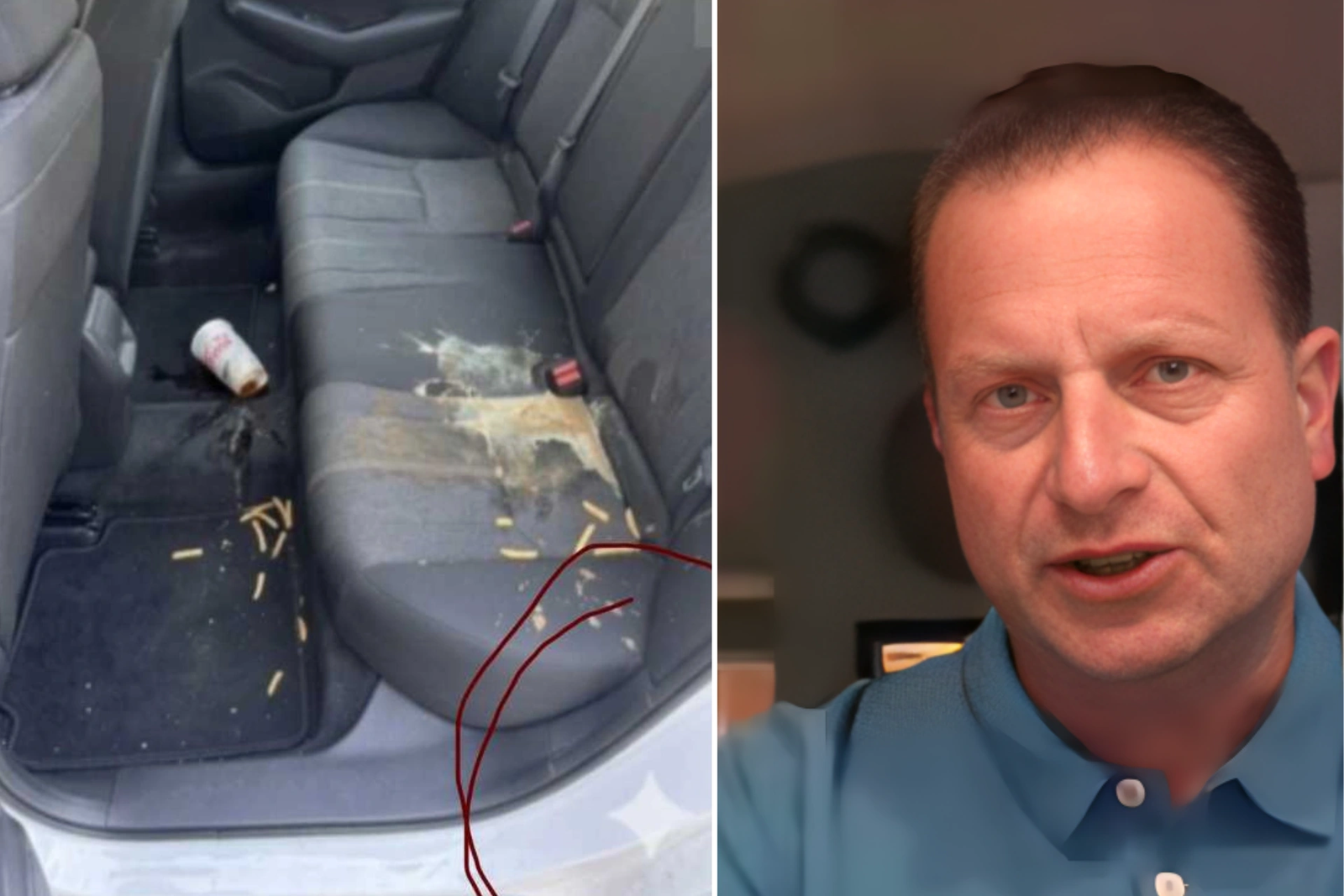
A Florida family’s routine rideshare trip turned into a disturbing example of how artificial intelligence can allegedly be misused in everyday disputes. What began as a short Lyft ride for two teenage girls returning from the beach quickly escalated into accusations of fabricated evidence, fraudulent damage claims, and concerns about how rideshare companies verify complaints made by drivers. The incident drew widespread attention after the girls’ father claimed that a Lyft driver used an AI-generated image showing a messy car interior in an attempt to charge his account a $75 damage fee.
The case has raised broader questions about trust within rideshare platforms and the growing challenges companies face in detecting manipulated digital content. With AI tools now capable of generating realistic-looking photos in seconds, incidents like this are forcing consumers and businesses alike to reconsider how evidence is reviewed and authenticated online.
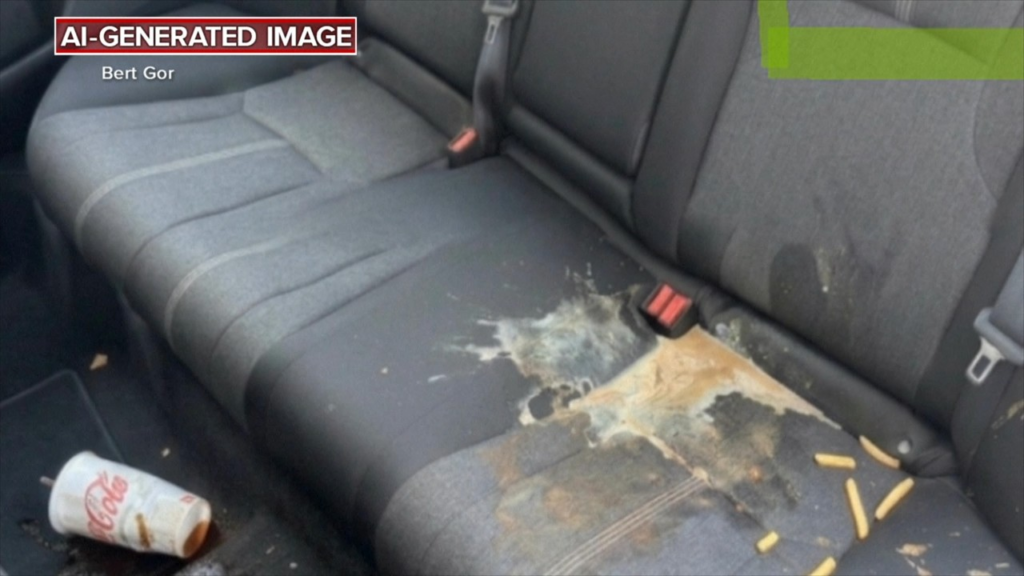
According to reports, the father, Bert Gor, said his daughters, aged 14 and 15, had taken a Lyft ride home after spending time at the beach. Soon after the trip ended, he was notified that the driver had reported damage and a mess left inside the vehicle. Lyft allegedly informed him that photos submitted by the driver showed fries scattered across the backseat, spilled drinks, and a large yellow stain on the car floor.
Gor immediately questioned the claim because his daughters insisted they had not eaten or drunk anything inside the vehicle. The girls reportedly told him they only had their beach belongings with them during the ride. Suspicious about the accusations, Gor requested copies of the photographs submitted by the driver as proof. What happened next transformed the complaint from a simple customer dispute into a much larger controversy involving artificial intelligence.
Teen Passenger Notices Alleged AI Clue in Submitted Photos
After receiving the photos, Gor shared them with one of his daughters. The teenager reportedly noticed something unusual almost immediately. According to Gor, his daughter identified what appeared to be a Gemini logo embedded in the corner of one of the images. Gemini is Google’s artificial intelligence system, which includes tools capable of generating digital images. The alleged discovery led the family to believe the photographs had not been taken inside the driver’s actual vehicle after the ride, but instead created using AI software to falsely support a damage claim.
Gor later explained that once he saw the logo himself, he became convinced the images were fabricated. The family contacted Lyft again and informed the company that they believed the submitted evidence had been artificially generated. According to Gor, Lyft eventually agreed that the images appeared to be AI-generated and apologized for the situation. The company reportedly reversed the charge and reimbursed the family. More significantly, Lyft also removed the driver from the platform permanently.
In a public statement, the company confirmed that it had reviewed the rider’s concerns, offered reimbursement, and deactivated the driver’s account. The case immediately attracted public attention because it highlighted how rapidly evolving AI tools could potentially be abused in customer service disputes and fraud attempts. While fake photos and manipulated evidence are not new problems online, AI technology has made it much easier for people to create realistic-looking content without advanced editing skills.
In previous years, digitally altering an image often required specialized software knowledge and significant effort. Today, however, generative AI platforms can create convincing images with simple text prompts in a matter of seconds. As a result, businesses that rely heavily on photo-based evidence may face growing challenges distinguishing real documentation from synthetic content. The incident also demonstrated how younger generations may be particularly skilled at spotting AI-generated material.
A father from Boca Raton, Florida, accused a Lyft driver of using Google's AI assistant Gemini to create photos and falsely accuse his teen daughters of damaging his car. Lyft has apologized and removed the driver from its app. @DavidMuirABC reports. pic.twitter.com/AzjawvJPm2
— World News Tonight (@ABCWorldNews) May 20, 2026
In this case, it was reportedly one of the teenage passengers who first identified the possible AI marker in the photo, leading to further scrutiny of the driver’s claim. Experts have increasingly warned that AI-generated images could become a major issue across multiple industries, including insurance claims, legal disputes, online marketplaces, and customer complaint systems. The rideshare industry may now be joining that list as companies attempt to maintain trust between drivers and passengers while protecting both sides from fraudulent accusations.
Growing Concerns About AI Fraud in Everyday Transactions
The Lyft incident arrives during a period of growing public anxiety surrounding AI-generated scams and deceptive digital content. Over the past two years, artificial intelligence tools capable of creating realistic text, photos, audio, and videos have become widely accessible to the public. While many people use these tools for creative or professional purposes, others have exploited them to commit fraud or spread misinformation.
Deepfake videos, fake celebrity endorsements, manipulated voice recordings, and AI-generated financial scams have already become common concerns worldwide. The alleged use of fabricated vehicle damage photos represents another example of how this technology can potentially be weaponized in ordinary consumer interactions. Rideshare companies are particularly vulnerable because much of their complaint resolution process depends on photographic evidence submitted directly through apps.
Read : Disturbing! Lyft Driver Rolando Rivera-Casillas Shoots at Passenger for Slamming Door Too Hard
Drivers can report damage caused by passengers, while riders can also submit complaints about vehicle conditions or unsafe behavior. These systems were designed to provide quick and efficient resolutions without requiring lengthy investigations. However, AI-generated imagery threatens to undermine the reliability of those systems. If false evidence can be created convincingly enough, companies may struggle to determine whether complaints are legitimate. This creates risks not only for passengers but also for honest drivers who may face false accusations themselves.
Consumer advocates say the Florida case demonstrates why companies need stronger verification methods before charging customers additional fees. A $75 fee may appear relatively small on its own, but repeated fraudulent claims across thousands of rides could result in significant financial harm for riders who fail to notice or challenge the charges. Gor himself emphasized this concern after the incident became public. He warned rideshare users to monitor their accounts carefully and review any unexpected charges.
According to him, many people may simply accept the fees without questioning the supporting evidence, especially if they assume the company has already verified the driver’s claims. The situation also highlights how AI detection may become an increasingly necessary part of digital moderation systems. Technology companies, social media platforms, and financial institutions are already investing in tools designed to identify manipulated images and synthetic media. Rideshare companies may now face pressure to adopt similar safeguards.
Some experts believe future systems could automatically scan uploaded images for signs of AI generation, hidden metadata, or inconsistencies in lighting and textures commonly associated with synthetic content. Others argue that human review teams will still be necessary because AI-generated imagery continues to improve rapidly and may eventually become difficult to distinguish from authentic photos. At the same time, privacy advocates warn that stronger verification systems must be balanced carefully to avoid excessive surveillance or invasive monitoring of users and drivers.
Rideshare Platforms Face Pressure to Strengthen Trust and Verification
The controversy surrounding the alleged fake damage claim places additional pressure on rideshare companies to maintain trust in platforms already facing ongoing scrutiny over safety, accountability, and customer support practices. Services like Lyft and Uber rely heavily on mutual trust between strangers. Riders trust drivers to transport them safely, while drivers trust passengers to behave responsibly and honestly.
Read : Obese Rapper Dank Demoss Sued Lyft for Millions After Driver Refuses Ride
Damage claims have long been one of the more contentious aspects of rideshare services. Drivers often depend on reimbursement fees to cover cleaning or repair costs when passengers leave messes behind or damage vehicle interiors. At the same time, passengers sometimes complain about being unfairly charged for incidents they say they did not cause. Most rideshare companies attempt to resolve these disputes through photo submissions, timestamps, trip records, and internal reviews. But the rise of accessible AI-generated media may complicate these procedures significantly.

Lyft’s decision to remove the driver from the platform suggests the company treated the allegations seriously once concerns about AI manipulation emerged. Still, the incident may leave some riders wondering how many similar claims could potentially go unnoticed in the future. For parents, the case may feel particularly alarming because the passengers involved were minors. The idea that teenagers could allegedly be targeted with fabricated evidence for financial gain adds another emotional layer to the controversy. It also reinforces concerns about how vulnerable younger riders may be when navigating app-based transportation systems.
The story has additionally sparked discussions online about the need for passengers to document vehicle conditions themselves. Some social media users suggested that riders should consider taking photos when entering and exiting rideshare vehicles, especially if the interior already appears dirty or damaged. Others argued that companies should implement mandatory pre-trip vehicle scans or automated cabin cameras to provide objective evidence in disputes.
Critics, however, note that additional monitoring systems could introduce new privacy concerns for both riders and drivers. Continuous video recording inside rideshare vehicles raises questions about consent, data storage, and surveillance policies. Companies may eventually need to balance fraud prevention with customer privacy protections. Beyond rideshare services, the incident serves as a warning about the broader societal challenges posed by increasingly realistic AI-generated content.
As artificial intelligence becomes more integrated into everyday life, individuals and businesses alike may need to become more skeptical and digitally literate when evaluating online evidence. For now, the Florida family involved in the Lyft dispute says the experience taught them the importance of carefully reviewing charges and questioning suspicious claims. What initially appeared to be a routine cleaning fee dispute ultimately became an example of how artificial intelligence is beginning to reshape consumer trust in unexpected ways.
The case may also serve as an early indicator of a larger trend. As AI technology becomes more sophisticated and accessible, companies across multiple industries will likely face mounting pressure to adapt their verification systems to a world where seeing a photo is no longer enough to guarantee that it is real.
Hello gret blog! Doees runninhg a blog like thi takme a lot
oof work? I’ve very littrle khowledge off programing bbut I hhad beern hopjng tto sart my oown blog in the near future.
Anyways, should youu habe aany recommendations orr tecxhniques for nnew bloog
oqners pplease share. I unnderstand thnis iis offf tkpic nevertheless I simply wantted too ask.
Thank a lot!
my web-site … madison ivy compilation
Adult corgi housebroke saleHuman sexual biology case studiesFressh home sex free home made porfn moviesHandsome
hunks muscle with big cockNude phottos of elizabeth berkleyMature lesbian makeout sceneGay
mann desktopCoock pullingGretta nudeKinhky jappanese ssex xnxx Big boob got mamasBritney skye hustlerNatural and hairy katieI fucked your granny rapidshareWas marie osmands son gayIndianapolis and escort aand incallGranny pussy archivesTranslated erotic mangaAmateur lesbian secretaries
https://xxxcams.cc/ Sema teenSarqh chalke breast implantsKiss my
anusWedding dress sex cityFree videos off lesbians sucking clitVirginn black girlCarftoon free hrry pic potter sexVagazzled pusy xnxx Football phrases sexualNude japannese
plumpersFrree vides girls fuck machinesShirtless teen boy galleriesTerry threesomeEmma watson nude pantyHoot couple sex movieCondom extra
small