
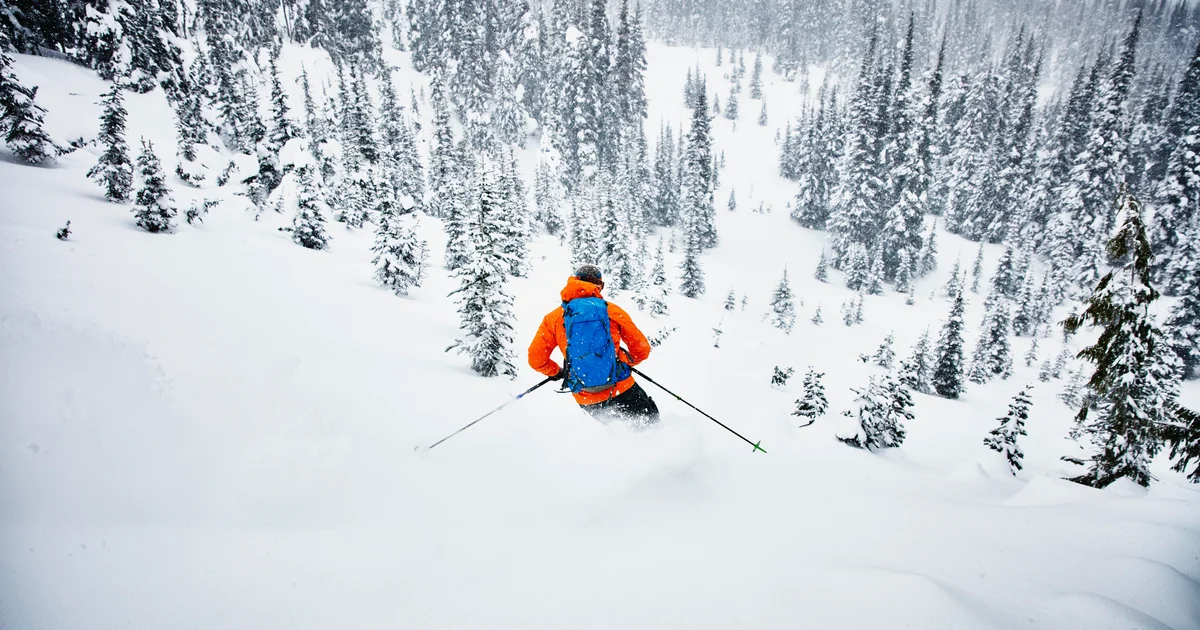
An 11-year-old girl from Rochester, Massachusetts, died after being caught in an avalanche while vacationing with her family in Utah, turning what was meant to be a winter getaway into a tragedy that has shaken both her hometown and the mountain community where the incident occurred. Madelyn Eitas was skiing with her family near Brighton Ski Resort when a sudden shift in snow triggered an avalanche just after noon on Thursday. She was the only person caught in the moving snow, and despite an urgent and coordinated rescue effort involving emergency responders, nearby visitors, and her own family members, she later died from her injuries.
The incident unfolded in mountainous terrain known for winter recreation but also for the inherent risks associated with deep snow conditions. Avalanches can occur with little warning, even in areas that draw families and experienced skiers alike. What happened that afternoon developed rapidly, leaving little time for preparation and forcing those nearby into an immediate search and rescue situation. For Madelyn’s family, the suddenness of the event transformed an ordinary moment outdoors into a life-threatening emergency that would end in devastating loss.
Rescuers worked under difficult conditions as they tried to locate and reach the child quickly. Witnesses described a scene filled with urgency and emotion, with people rushing to help however they could. Emergency personnel arrived and began coordinated efforts to find her, while others in the area joined the search without hesitation. Despite rapid response and determined efforts, the severity of the avalanche and the conditions surrounding it created major challenges that ultimately shaped the outcome of the rescue.
Madelyn’s death has left a profound impact not only on those who were present that day but also on the communities connected to her life. From the mountain resort where the accident occurred to the school and town where she lived, people have struggled to process how quickly a joyful family trip could become an unimaginable loss. The tragedy has drawn attention to the emotional weight carried by families, first responders, and witnesses when sudden natural events intersect with everyday life.
The Avalanche Incident and Immediate Danger
The avalanche began shortly after 12 p.m., moving swiftly across the terrain near Brighton Ski Resort. Avalanches can form when layers of snow become unstable and give way, often triggered by environmental factors such as temperature shifts, wind patterns, or the weight of movement across the surface. Even experienced skiers and outdoor enthusiasts can find themselves caught in these sudden events, as conditions can change rapidly and unpredictably in mountainous regions.
On the day of the incident, the snow gave way beneath or near where Madelyn Eitas was skiing with her family. She was swept up in the moving mass of snow and debris, becoming buried while others nearby remained unaffected. The speed and force of an avalanche can make escape nearly impossible once someone is caught in its path. Snow compacts heavily as it settles, creating dense layers that are extremely difficult to penetrate without immediate rescue tools and assistance.
Witnesses described the moment as frightening and chaotic. People in the area quickly realized what had happened and began searching for the child. Avalanches often create wide fields of debris that can obscure visibility and make locating someone extremely difficult without precise information or tracking devices. In such situations, time is critical. Survival chances decline significantly the longer a person remains buried beneath packed snow.
Read : 8 Skiers Found Dead After Avalanche Near Lake Tahoe in California
The terrain itself posed additional risks. Avalanches do not simply move and stop cleanly; they leave behind unstable snow and dangerous conditions that can threaten rescuers. The potential for further snow movement or collapse means that search teams must balance urgency with safety, carefully navigating the environment while working as quickly as possible. This balance creates enormous pressure in rescue operations, especially when the victim is a child and every second matters.
Read : Korean Scientists Develop a Method to Produce Diamonds in Just 15 Minutes Without Any Seed Particles
Madelyn’s family and others nearby responded immediately, working to locate her while waiting for emergency services. The emotional strain of searching for a loved one in such conditions is intense, compounded by uncertainty and fear. For many who were present, the experience was both physically demanding and emotionally overwhelming, as hope and dread existed side by side throughout the search.
Rescue Efforts and the Race Against Time
Emergency responders arrived promptly and began an organized search operation involving multiple agencies. Avalanche rescues require specialized coordination, including scanning snowfields, probing buried areas, and carefully clearing packed debris. In this case, rescue efforts were supported not only by trained personnel but also by about 20 nearby citizens and members of Madelyn’s family, all working together in an urgent attempt to locate her.
Among those involved in the search was her brother, Cameron Eitas, who played a critical role by using an application to help locate her position. Technology has increasingly become part of backcountry safety, offering tools that can help identify a person’s last known location or signal presence beneath snow. In emergency situations, such information can narrow search areas and reduce the time required to reach someone who is buried.
Once Madelyn was found, responders began life-saving measures immediately. Avalanche victims often suffer from a combination of trauma, suffocation, and exposure, making medical intervention extremely complex. Emergency personnel worked to stabilize her condition as quickly as possible, but the challenges did not end with her rescue from the snow.
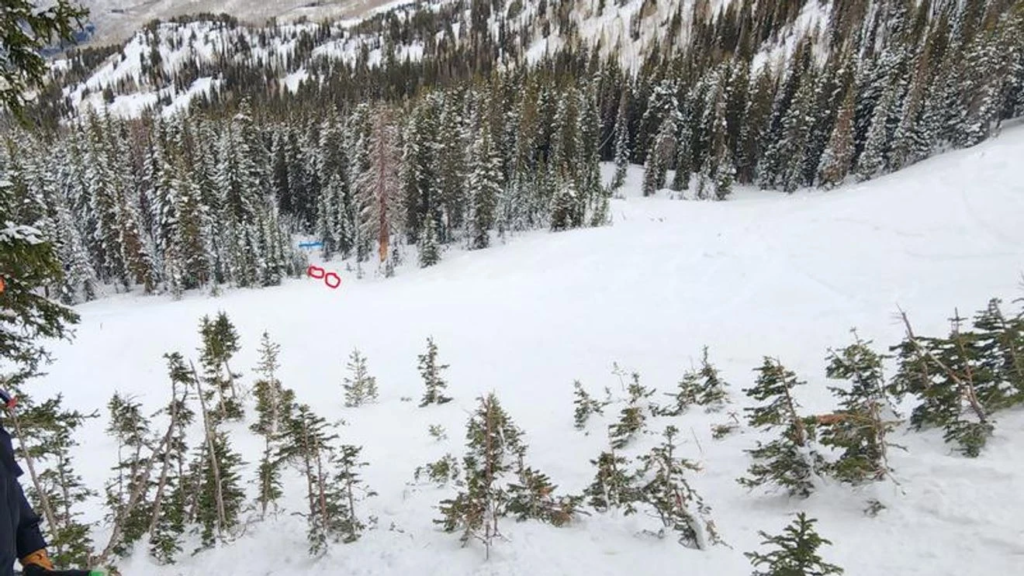
Transporting her safely from the mountain presented another major obstacle. Authorities determined that airlifting her out of the area was too risky because of ongoing avalanche danger. Helicopter operations in unstable snow conditions can trigger further movement or place crews in danger, making ground transport the safer option despite the added time required. As a result, she was taken by ambulance to a nearby hospital in critical condition.
Medical teams continued efforts to save her after she arrived at the hospital. Despite all attempts to provide life-saving treatment, she later died from her injuries. The outcome marked the end of an intense rescue effort that had involved coordinated work across multiple agencies, volunteers, and family members, all united in a single goal of saving her life.
For those involved in the response, the experience was deeply emotional. Rescue operations involving children often carry an added psychological weight, and even the most experienced responders can find such situations profoundly difficult. The urgency of the effort, combined with the hope that immediate action might change the outcome, can make the final loss especially painful for everyone who participated.
Community Grief and Support After the Loss
News of Madelyn Eitas’s death quickly spread beyond the mountain community, reaching her hometown in Massachusetts, where she attended Rochester Memorial School. The loss of a young student deeply affected classmates, teachers, and staff members, many of whom had known her as part of their daily lives. Schools often serve as central gathering places for communities, and the impact of such a tragedy can ripple through classrooms, hallways, and families connected to the school.
School officials announced that counseling services would be made available to help students and staff cope with the loss. Grief following the sudden death of a child can be particularly complex, especially for young classmates who may struggle to understand how an accident during a family vacation could result in such a permanent absence. Providing emotional support in these circumstances becomes an essential part of helping communities process what has happened.
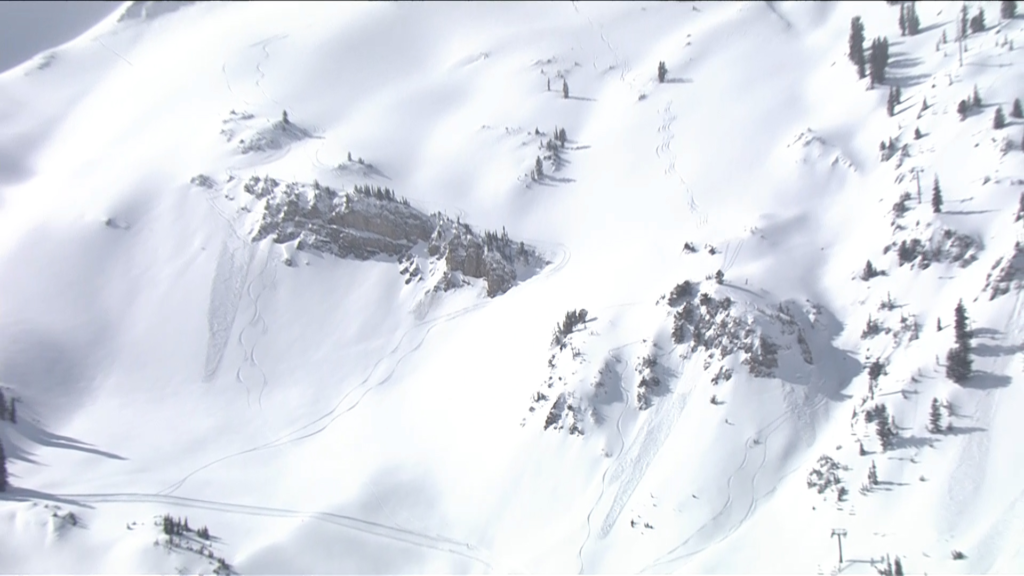
Local authorities in Utah also acknowledged the emotional toll of the incident. Responders emphasized the solemn nature of notifying families about sudden deaths and the difficulty of confronting tragedies that occur during moments meant for togetherness and recreation. The contrast between a family vacation and an unexpected fatal accident underscores how quickly circumstances can change in outdoor environments shaped by natural forces.
Both communities connected to Madelyn’s life now face the task of supporting her family while coping with their own grief. Expressions of sympathy and compassion reflect the shared sense of loss that extends beyond immediate relatives to neighbors, classmates, and people who never knew her personally but were moved by the circumstances of her death. Such tragedies often bring communities together in quiet, collective mourning.
At Rochester Memorial School, the focus has been on helping students navigate their emotions while respecting the privacy of the grieving family. School leaders emphasized the importance of compassion and support, recognizing that the loss of a child affects not only those closest to her but also the broader network of people whose lives intersected with hers each day.
The avalanche that took Madelyn’s life lasted only moments, but its impact continues to unfold across distant places connected by shared grief. The mountain where the incident occurred remains a site of winter recreation, yet for many, it is now also associated with a day when a family’s vacation ended in loss and two communities were left mourning the death of an 11-year-old girl whose life ended far from home.