
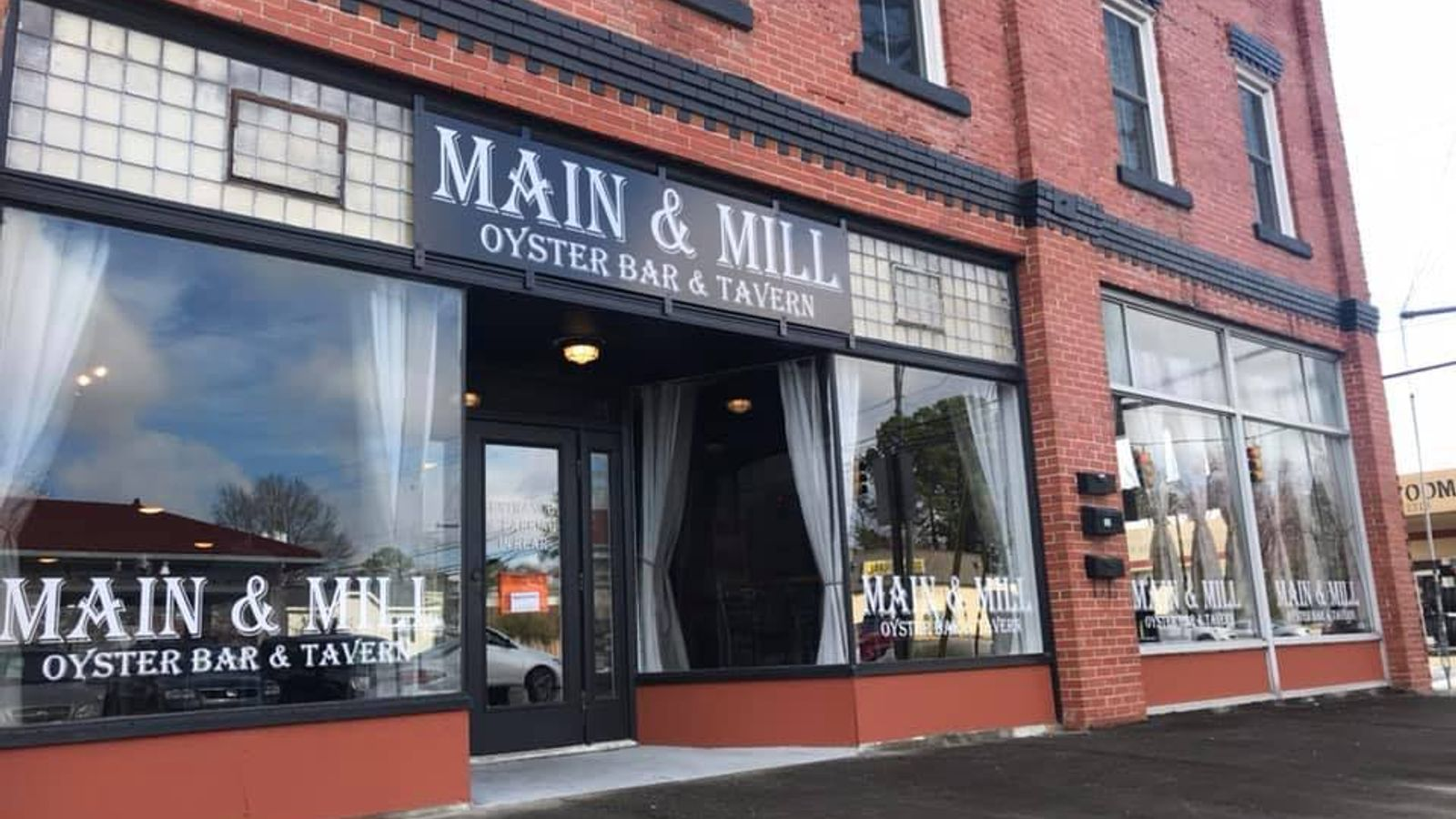
A tragic chain of events in Greenville has drawn attention to the responsibilities of alcohol-serving establishments and the devastating consequences that can arise when those responsibilities are neglected. Authorities have charged three employees of Main & Mill Oyster Bar and Tavern in connection with an underage alcohol-related crash that resulted in the death of an 18-year-old and left another young person seriously injured. The incident has not only shaken the local community but also raised broader concerns about enforcement, accountability, and the role of businesses in preventing underage drinking.
The crash, which occurred on January 19 along Dickinson Avenue near Star Hill Farm Road, involved two young individuals who had reportedly attended a private event at the bar prior to the accident. According to investigators, alcohol was served to the underage pair, leading to a situation that ended in irreversible loss. As legal proceedings move forward, the case continues to highlight systemic gaps and the urgent need for stricter adherence to regulations governing alcohol service.
Details of the Charges and Allegations
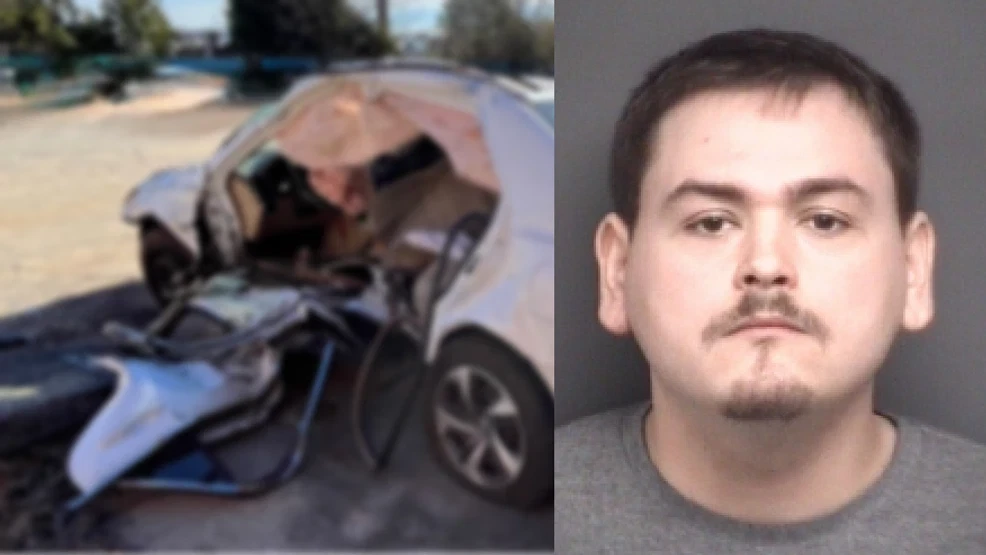
The charges filed by North Carolina Alcohol Law Enforcement authorities focus on three individuals associated with the establishment: the owner, the manager, and an employee. Each faces accusations tied to serving alcohol to individuals below the legal drinking age of 21, along with additional violations that reflect a failure to maintain proper oversight within the business. These charges suggest not only individual misconduct but also potential shortcomings in operational supervision and compliance protocols.
The owner and manager have been charged with multiple offenses, including providing fortified wine, spirituous liquor, or mixed beverages to underage individuals, failing to adequately supervise an alcohol-licensed establishment, and permitting unlawful conduct on the premises. These allegations indicate that the issue may extend beyond a single act of negligence and point toward broader management failures. Meanwhile, the employee involved faces charges of serving alcohol to underage individuals and allowing unlawful activity within the establishment.
Investigators have stated that the underage individuals attended a private event at the bar before the crash occurred. Events such as these often involve large gatherings, which can make enforcement of age restrictions more challenging. However, the law remains clear that establishments must verify the age of all patrons consuming alcohol, regardless of the nature of the event. The presence of underage drinking in such a setting raises questions about how thoroughly identification checks were conducted and whether standard procedures were followed.
Read : Password Forgotten for 11 Years, Rs 25 Crore Bitcoin Wallet Cracked
The involvement of multiple staff members further complicates the situation, as it suggests that the alleged violations were not isolated to a single individual’s actions. Instead, it raises the possibility of systemic lapses within the establishment’s operational framework. This aspect of the case is likely to play a significant role in both legal proceedings and any regulatory review that follows.
The Crash and Its Consequences
The human cost of the incident is at the center of the case. The crash claimed the life of 18-year-old Elijah Monty, a loss that has deeply affected family members, friends, and the wider community. In addition to the fatality, a 19-year-old passenger sustained serious injuries, adding another layer of tragedy to the event. The impact of such incidents often extends far beyond those directly involved, leaving lasting emotional and psychological effects on loved ones and witnesses.
Read : 20-Year-Old University of Alabama Student James “Jimmy” Gracey Missing in Barcelona
Details from law enforcement indicate that the crash occurred shortly after the individuals left the bar. While investigations continue to determine all contributing factors, the role of alcohol consumption has been clearly identified as a central element. Underage drinking, particularly when it leads to impaired driving, significantly increases the risk of accidents, injuries, and fatalities. This case serves as a stark reminder of how quickly a situation can escalate from a social gathering to a life-altering tragedy.
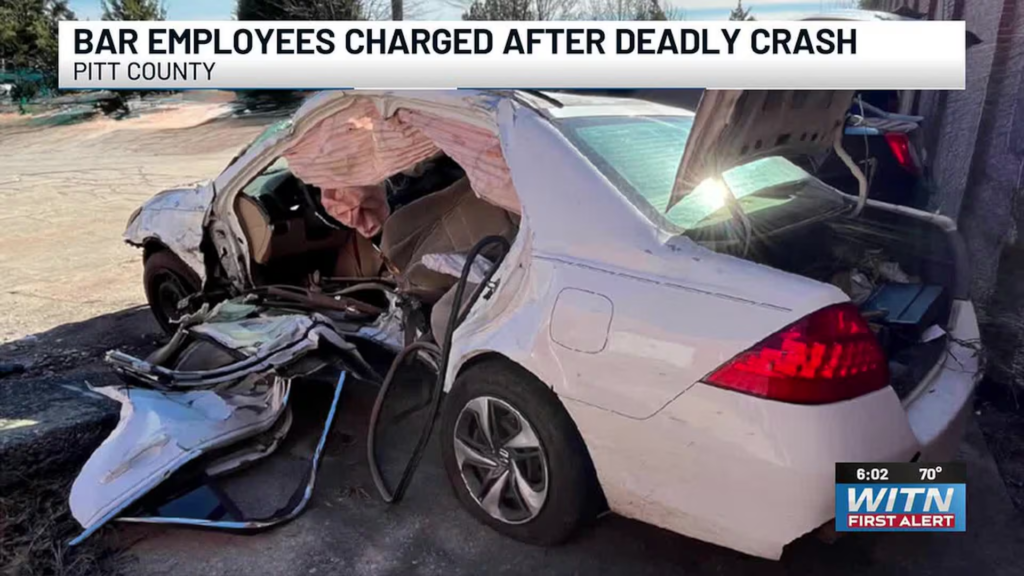
The location of the crash, along a known roadway in Greenville, underscores the potential danger to the broader public. Incidents involving impaired drivers do not only endanger those inside the vehicle but also pose risks to other motorists, pedestrians, and nearby residents. In this case, the consequences were immediate and severe, reinforcing the importance of preventative measures at every stage, from alcohol service to transportation decisions.
Community reactions have reflected a mixture of grief and concern, with many calling for greater accountability and stricter enforcement of existing laws. Such tragedies often prompt renewed discussions about the effectiveness of current regulations and whether additional safeguards are needed to prevent similar incidents in the future. The emotional weight of the loss has also highlighted the importance of awareness and education surrounding the dangers of underage drinking and impaired driving.
Regulatory Review and Broader Implications
Beyond the criminal charges, the case has triggered a review by the state Alcoholic Beverage Control Commission, which will determine whether further action should be taken against the business. This process could result in penalties ranging from fines to the suspension or revocation of the establishment’s license. Such outcomes not only affect the individuals directly involved but also have significant implications for the business as a whole, including its reputation and ability to operate.
Read : Who Is Andrew Wheeler, Baltimore Bar Owner Starring in Netflix’s ‘Age of Attraction’?
Regulatory oversight plays a critical role in maintaining public safety, particularly in industries where the potential for harm is high. Establishments that serve alcohol are expected to adhere to strict guidelines designed to prevent underage drinking and reduce the risk of alcohol-related incidents. When these guidelines are not followed, the consequences can extend beyond legal repercussions to include lasting damage to community trust.
The case also raises broader questions about how businesses train and monitor their staff. Effective training programs, clear policies, and consistent enforcement are essential components of responsible alcohol service. Employees must be equipped to identify valid forms of identification, recognize signs of intoxication, and handle situations where patrons may attempt to circumvent rules. The presence of multiple charges in this case suggests that there may have been deficiencies in one or more of these areas.
In addition, the incident highlights the challenges associated with private events held at licensed establishments. While such events can be profitable and popular, they also require careful management to ensure compliance with all applicable laws. This includes maintaining strict control over who is served alcohol and ensuring that all staff members remain vigilant throughout the event. Failure to do so can create conditions where violations occur more easily, as appears to have been alleged in this situation.
The outcome of the regulatory review will likely be closely watched, not only by those directly connected to the case but also by other businesses in the industry. Decisions made in high-profile cases often serve as precedents, influencing how similar situations are handled in the future. They can also prompt establishments to reevaluate their own practices and implement additional safeguards to avoid potential violations.
As the legal and regulatory processes unfold, the case continues to serve as a sobering example of the far-reaching consequences of underage drinking and inadequate oversight. It underscores the shared responsibility of individuals, businesses, and regulatory bodies in preventing such tragedies. While no outcome can reverse the loss that has already occurred, the lessons drawn from this incident may help reduce the likelihood of similar events in the future.
Nasz bukmacher oferuje profesjonalne zakłady o głębokości wymaganej przez poważnych graczy i prostocie docenianej przez graczy okazjonalnych.