

The month of December 2024 proved to be a grim period for the global aviation sector, as a series of tragic Plane Crashes claimed over 250 lives, shaking the industry and raising significant concerns regarding aviation safety.
These deadly incidents, ranging from commercial airlines to private aircraft, have intensified scrutiny on flight safety protocols, equipment reliability, and external factors that may contribute to such catastrophic events.
The Jeju Air Disaster: South Korea’s Deadliest Aviation Tragedy
The most devastating aviation disaster of December occurred on Sunday, when a Jeju Air passenger plane crashed while attempting to land at Muan Airport in South Korea. The flight had arrived from Bangkok, Thailand, and, after a routine journey, was preparing for its descent.
However, shortly before landing, the aircraft reportedly lost control due to a failure in its front landing gear. This malfunction caused the plane to skid off the runway and collide with a concrete fence, sparking a fierce fire.
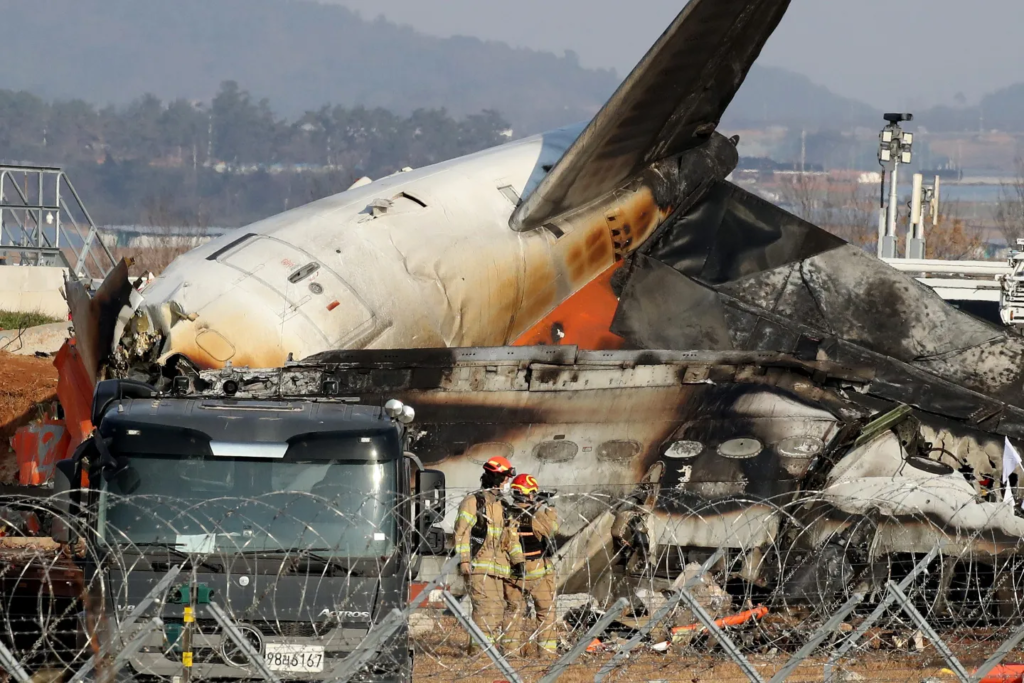
The plane crash resulted in a horrific loss of life, with 177 of the 181 people on board confirmed dead. Emergency responders, including 32 fire trucks and multiple helicopters, rushed to the scene in a desperate attempt to control the flames.
While two individuals, a crew member and a passenger, miraculously survived the crash, the scale of the tragedy left the nation in shock. This disaster now stands as one of South Korea’s deadliest aviation tragedies, intensifying calls for greater scrutiny on aircraft maintenance standards and the safety of commercial aviation.
The cause of the landing gear failure remains under investigation, with authorities scrambling to uncover whether there were any systemic failures that led to the crash.
Read : South Korean Plane Crash: Only Two Survived Out Of 181
The Jeju Air disaster has brought to light significant concerns about aviation safety and equipment reliability, especially when it comes to ensuring the operational integrity of essential components like landing gears.
Read : Video Shows Tesla Car Flips 7 Times in Crash: Musk Says Safety is Primary as All Survive
As the investigation progresses, there is an increasing demand for stronger regulations and better maintenance practices across the airline industry to prevent similar incidents in the future.
Azerbaijan Airlines Crash: Severe Weather and Technical Issues in Kazakhstan
On December 25, 2024, an Embraer ERJ-190AR operated by Azerbaijan Airlines crashed near Aktau Airport in Kazakhstan, claiming the lives of 38 passengers out of 67 on board. The flight had departed from Baku, Azerbaijan, en route to Grozny, Russia, and was met with severe weather conditions shortly after it began its descent.
The aircraft declared an emergency due to technical difficulties, and the pilots made multiple failed landing attempts at Grozny Airport. Ultimately, the plane crashed near Aktau in Kazakhstan.
Initial reports suggest that the plane had been experiencing fluctuating altitude and speed, potentially due to mechanical malfunctions or external factors.
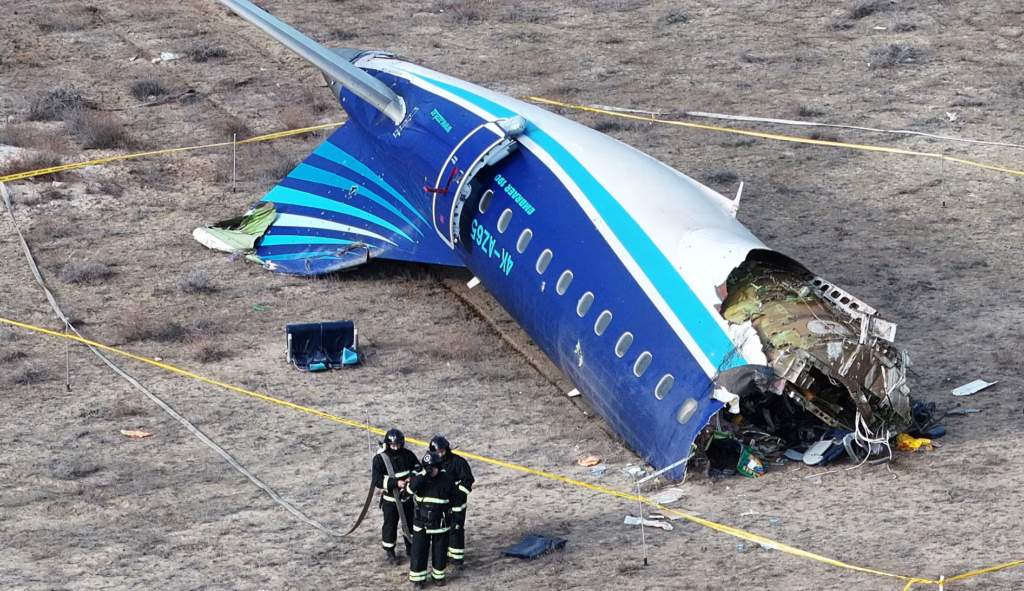
The Russian Federal Agency for Air Transport has speculated that military operations, including possible Ukrainian drone strikes, could have contributed to the plane crash. The presence of dense fog during the descent made visibility extremely poor, exacerbating the hazardous conditions.
Several passengers were hospitalized with injuries, though many others were killed on impact. The collision’s aftermath was catastrophic, with emergency responders working tirelessly to recover survivors and assess the full extent of the damage.
This tragedy underscores the combination of technical issues, weather conditions, and external interference, which can all contribute to the risk of accidents in aviation.
As investigators continue their probe, the aviation community is closely monitoring the findings, especially with regard to the potential role of military activities in complicating the safety of civilian flights.
The Brazilian Chartered Plane Crash: A Family’s Tragic Loss
On December 22, 2024, a private chartered plane crashed in the picturesque town of Gramado, southern Brazil, killing ten members of a family, including prominent businessman Luiz Claudio Galeazzi, his wife, three daughters, and other relatives. The small aircraft, a light private plane, struck a building’s chimney, then collided with a house and a shop during its descent.
The plane crash occurred as the plane was making its approach to Gramado Airport, but it lost control shortly before landing. The impact of the crash was felt not only by the family members on board but also by those on the ground.
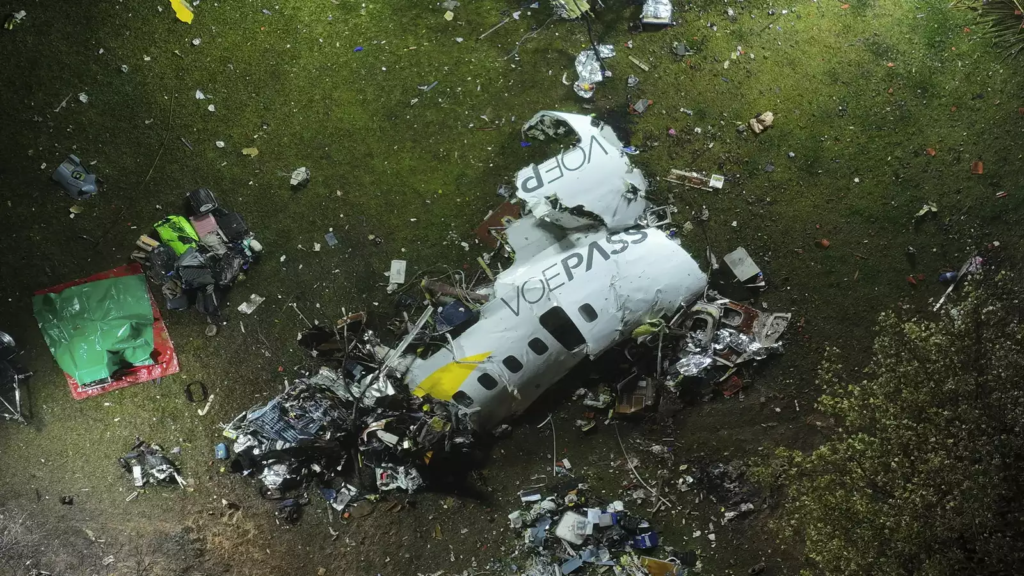
Authorities reported that 17 people on the ground were injured, with two individuals in serious condition. The tragic loss of life in this incident highlights the vulnerability of smaller aircraft to accidents, especially in difficult weather or terrain conditions.
This plane crash adds to the growing list of aviation tragedies involving private and chartered flights, which often do not receive the same level of oversight and safety checks as larger commercial airlines.
While the cause of the crash remains under investigation, it has prompted discussions on the safety standards for small aircraft and the importance of rigorous pre-flight checks and maintenance for all types of planes.
The family’s loss has left the Brazilian community in mourning, as it was not only a personal tragedy but also a reminder of the inherent risks involved in aviation, particularly with private planes.
Papua New Guinea Crash: A Fatal Incident in the Highlands
On the same day as the Brazilian chartered plane crash, December 22, 2024, a Britten-Norman BN-2B-26 Islander aircraft operated by North Coast Aviation crashed in the rugged terrain of Papua New Guinea.
The plane, en route from Wasu Airport to Lae-Nadzab Airport, went down in the mountainous region, killing all five people on board. The wreckage was found the following day, and authorities confirmed that no survivors had been found.
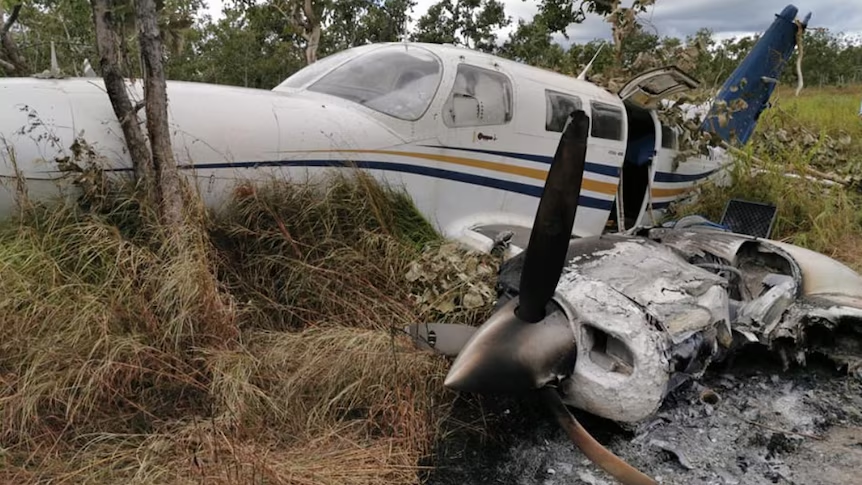
The last known communication from the aircraft came minutes before the plane crash, and a distress signal was received at 10:30 local time. Given the challenging geography of Papua New Guinea, which is known for its steep mountains and dense forests, search and rescue efforts were severely hampered.
The crash underscores the unique risks faced by pilots operating in difficult terrain, where adverse weather conditions, limited visibility, and the difficulty of navigating can significantly increase the chances of an accident.
This crash is particularly tragic due to the limited access to resources in remote areas like Papua New Guinea. Aviation plays a crucial role in connecting these far-flung regions, where roads and other forms of transport are not available.
However, this incident has raised concerns over the safety protocols and training required for pilots operating in such challenging environments. Investigations are underway, with authorities looking into potential mechanical issues, human error, and external factors that may have contributed to the crash.
The Hawaii Plane Crash: A Training Flight Tragedy
On December 17, 2024, a Kamaka Air LLC-operated Cessna 208B Grand Caravan crashed shortly after liftoff from Daniel K. Inouye International Airport in Honolulu, Hawaii.
The crash killed both pilots on board, and the aircraft, which was on an instructional flight, executed a sharp left bank before crashing into a building. The training flight was supposed to be routine, but the plane’s loss of control during takeoff turned it into a deadly disaster.
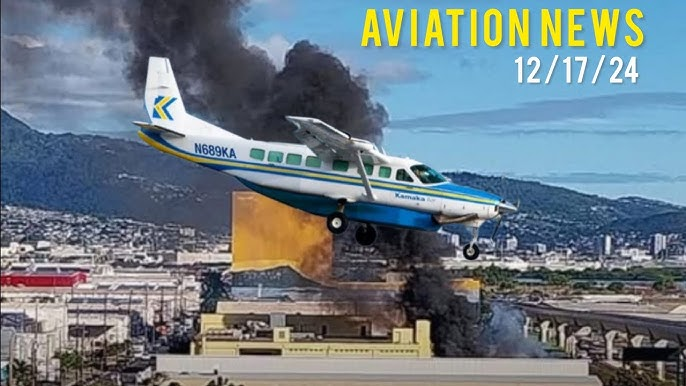
Initial investigations suggest that the aircraft may have encountered a technical malfunction or experienced some form of pilot error during the flight.
The cause of the crash remains under investigation, but it serves as a sobering reminder of the risks inherent in training flights, where new pilots are often given control of aircraft under the supervision of experienced instructors.
The loss of both pilots in this incident underscores the importance of rigorous safety training and pre-flight checks, especially in high-risk situations.
While the specific cause of the Kamaka Air crash is still to be determined, this event highlights the need for improved training procedures, particularly when it comes to flight schools and smaller aircraft. Ensuring that instructors are equipped with the right tools and knowledge to deal with emergencies is essential to preventing such tragedies in the future.
The Bombardier Crash in Argentina: Another Loss for Aviation Safety
The final major crash of December 2024 occurred near San Fernando Airport in Argentina, involving a Bombardier BD-100-1A10 Challenger 300.
The aircraft was on a ferry flight from Punta del Este Airport in Uruguay to San Fernando when it overshot the runway, collided with a perimeter fence and a tree, and caught fire. The pilots of the aircraft perished in the blaze, and the left wing of the plane was detached from the fuselage during the crash.
Initial reports suggest that the runway at San Fernando may have been insufficient in length to accommodate the plane, which may have contributed to the crash.
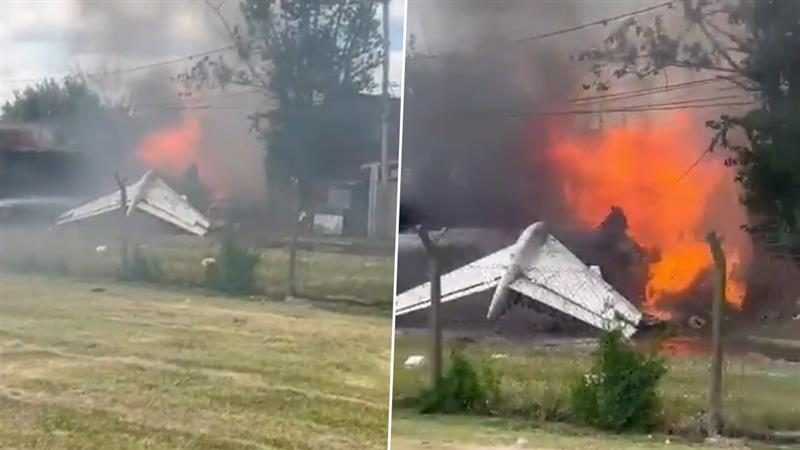
The investigation is still ongoing, and authorities are closely examining whether the runway’s size, weather conditions, or other factors played a role in the accident. This tragic event emphasizes the importance of ensuring that runways meet the necessary standards for the safe operation of all types of aircraft.
The Bombardier crash serves as another reminder of the risks involved in aviation, particularly when it comes to smaller, private flights.
While commercial airliners tend to receive more attention and scrutiny regarding their safety protocols, private aircraft often lack the same level of oversight, making it crucial for operators to maintain high standards of safety and ensure their pilots are well-trained.
The tragic plane crashes that occurred in December 2024 serve as a stark reminder of the dangers of air travel, whether involving large commercial aircraft or smaller private planes.
Each crash brings into focus the ongoing challenges faced by the aviation industry, from equipment failures and weather conditions to human error and inadequate infrastructure.
These incidents highlight the need for enhanced safety protocols, stricter regulations, and continuous improvements in aircraft maintenance and training to prevent similar tragedies in the future. As investigations unfold, the aviation world will undoubtedly be left grappling with the lessons these events provide.