

In a deeply conservative region of Malaysia, the practice of public caning recently reignited debates about human rights and the interpretation of Islamic laws.
On a Friday, following his conviction in a Sharia court, a 42-year-old construction worker faced six lashes in front of an audience for the offense of “khalwat” — being in close proximity with a woman who was not his wife or relative.
This incident marks a significant moment in Malaysia’s dual legal system and highlights the tensions between tradition, law, and human dignity.
Malaysian Man Publicly Flogged in Mosque
The public flogging took place in Terengganu, one of Malaysia’s most conservative states. The punishment was carried out within the mosque premises after Friday prayers, drawing a crowd of about 90 onlookers. The man, wearing a prison jumpsuit, was transported to the mosque in a van and subjected to the caning in an atmosphere of subdued silence.
“Khalwat” is considered a moral transgression under Islamic law, and the Sharia court’s ruling reflects its commitment to upholding traditional religious values. However, this instance was notable as it was the first time such punishment was administered in a mosque rather than in a court setting.
Read : Sleeping Woman Set on Fire by Stranger in New York Subway
Public reactions have been sharply divided. Some, like spectator Mohd Sabri Muhammad, view the punishment as a necessary deterrent against immoral acts, especially among younger generations.
Read : Langkawi Island, Malaysia: A Tropical Paradise Awaits
Others, including Malaysia’s Bar Association and human rights advocates, have expressed profound concern about the practice, labeling it a violation of individual dignity and a remnant of outdated punitive systems.
Dual Legal Systems and the Role of Sharia Courts
Malaysia operates under a dual legal system that accommodates both civil and Sharia laws. Civil courts govern the general population, while Islamic courts have jurisdiction over certain matters pertaining to Muslim citizens, including family disputes, inheritance, and moral conduct.
Sharia laws in Malaysia are implemented with varying degrees of strictness, depending on the state. In Terengganu, authorities have leaned heavily on enforcing religious codes, and public canings for offenses like khalwat or same-sex relationships have occurred in the past.
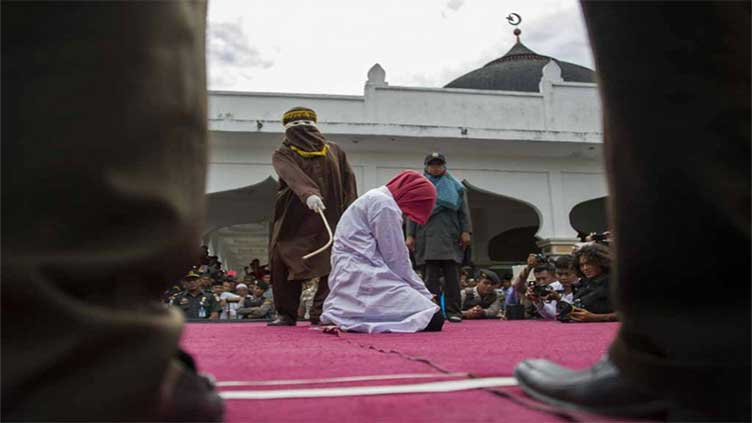
While supporters argue that such measures preserve social harmony and religious values, critics contend that they undermine Malaysia’s aspirations as a modern, progressive nation. Public caning, though rare, has drawn significant scrutiny for its dual purpose: inflicting physical pain and subjecting the recipient to public humiliation.
The Human Rights Commission of Malaysia has repeatedly called for an end to punishments that involve violence and public shaming. Their concerns align with international human rights organizations that argue such practices are inhumane and counterproductive to fostering a just society.
Balancing Tradition and Human Rights
The public flogging in Terengganu has brought to light the ongoing struggle to balance traditional values with modern legal and ethical standards. Advocates of Sharia law emphasize the importance of preserving moral order, particularly in a multi-ethnic, multi-religious society like Malaysia.
However, human rights defenders argue that public caning erodes the dignity of individuals and has no place in contemporary justice systems. The Malaysian Bar Association’s statement on the matter underscores these concerns, emphasizing that such punishments are incompatible with human rights principles.

Moreover, public outcry against canings has highlighted a generational divide. While older, more conservative Malaysians may support Sharia-based punishments as a means of preserving cultural and religious identity, younger Malaysians are increasingly questioning these practices. Many view them as relics of an era that no longer aligns with Malaysia’s global image or aspirations for progress.
The government’s stance on this issue remains complex. While some officials advocate for the strict implementation of Islamic laws, others recognize the importance of reforming punitive measures to align with international standards and public sentiment.
The public flogging of a Malaysian man in a mosque for spending time with a woman who wasn’t his wife or relative has sparked significant debate about the role of Sharia law in modern society.
This incident underscores the challenges Malaysia faces in navigating its dual legal system, balancing tradition with human rights, and fostering a more inclusive, humane justice framework.
While the Sharia court’s decision reflects a commitment to religious principles, the growing criticism highlights an urgent need for dialogue and reform. In a nation striving for progress and unity, finding common ground between tradition and modernity is more important than ever.