

The death of Taiwanese influencer and former nurse Hsieh Yu-hsin, widely known online as Nurse Goddess, has drawn immense public attention across Malaysia, Taiwan, and Chinese-speaking communities worldwide. The incident has become even more prominent due to the arrest of Malaysian rapper and filmmaker Namewee, whose real name is Wee Meng Chee, who was reportedly with Hsieh shortly before her death in a Kuala Lumpur hotel room.
Investigations into the case are ongoing, and authorities have not released conclusive findings. Nonetheless, the reclassification of the case from sudden death to murder has intensified scrutiny, speculation, media reporting, and public debate. The situation brings to the forefront issues concerning celebrity culture, digital influence, media responsibility, and the legal processes surrounding unexpected deaths under suspicious circumstances.
The relationship between Namewee and Hsieh appears to have been professional in nature, connected to the production of commercial and music video projects. However, Hsieh’s sudden death and the circumstances surrounding the event have fueled public interest and controversy.
As authorities continue to examine forensic evidence, toxicology reports, and possible criminal responsibility, the case highlights the complexities that emerge when high-profile figures are involved in legal investigations. The unfolding events illustrate not only a tragic loss of life but also a conflict of public narratives, legal rights, and media interpretations in multiple jurisdictions.
Background of the Individuals Involved
Namewee has been a well-known figure in the Asian entertainment industry for more than a decade. His work spans music, film, and social commentary, often drawing attention for its bold criticism of social and political issues. Early in his career, when he was a student in Taiwan, he produced a parody of the Malaysian national anthem that led to public backlash and government scrutiny. Since then, many of his projects have been controversial, sometimes resulting in censorship, protest, or bans.
He has been blacklisted in China because of music and commentary that authorities viewed as critical of government policies and nationalism. In 2023, he was also banned from performing in Hong Kong. The artistic identity that Namewee has cultivated is intentionally provocative and confrontational. His work frequently addresses themes of cultural identity, political pressure, state authority, and social norms. While this has earned him a dedicated following, it has also made him a polarizing public figure.
Supporters view him as an advocate for artistic freedom and social truth-telling, while critics argue that his work can be inflammatory or disrespectful. Hsieh Yu-hsin followed a very different path before her rise to public recognition. She previously worked as a professional nurse before transitioning into online content creation. She accumulated more than 1.5 million followers across social media platforms including Instagram, X, and OnlyFans. Her image and content style blended glamour photography, lifestyle content, and personal engagement with her audience.
Many of her followers described her as creative, outgoing, and deeply connected to her fan community. Reports indicate that she traveled to Malaysia for discussions about a commercial video project directed by Namewee. The two had previously collaborated on a music video in 2020 for the song China Reggaeton.
Popular Malaysian rapper Namewee is under investigation for the murder of a Taiwanese social media influencer in Kuala Lumpur.
— TaiwanPlus News (@taiwanplusnews) November 5, 2025
The rapper reported to a police station in the Malaysian capital early on Nov. 5. Wee has denied drug use and involvement in Hsieh’s death. pic.twitter.com/5H0Fdeh3Kf
While Hsieh’s online presence was glamorous and confident, her death has prompted increased attention to the private pressures and complexities faced by digital influencers. Her assistant released a statement on her OnlyFans account asking fans and media to refrain from speculation and to respect the family’s privacy as they process their grief. The statement described Hsieh as not only a creative professional but also a valued friend and colleague. Taiwan’s Ministry of Foreign Affairs also confirmed that it had informed the family of the developments and emphasized privacy and restraint in public commentary.
The Events Surrounding the Death and Initial Investigation
Hsieh was found unresponsive in a hotel room bathtub in Kuala Lumpur on 22 October. Malaysian media reported that Namewee was present and had contacted emergency services after discovering her. Police later stated that they found pills believed to be ecstasy at the scene. Following this discovery, Namewee was arrested on charges related to illegal drug possession. He was released on bail but was subsequently detained again when the case was reclassified as murder, based on unspecified new evidence. The authorities are continuing to conduct toxicology and autopsy tests, which could take up to three months to complete.
The details of the new evidence that led authorities to change the classification have not been publicly disclosed. This lack of transparency has contributed to extensive media coverage and speculation. However, Malaysian police have stated that standard investigative procedure requires temporary detention of individuals who may be connected to the case, particularly when they were present at the scene and are known to authorities. Namewee’s lawyer, Joshua Tay, indicated that his client would be held for six days on remand to assist with the investigation.
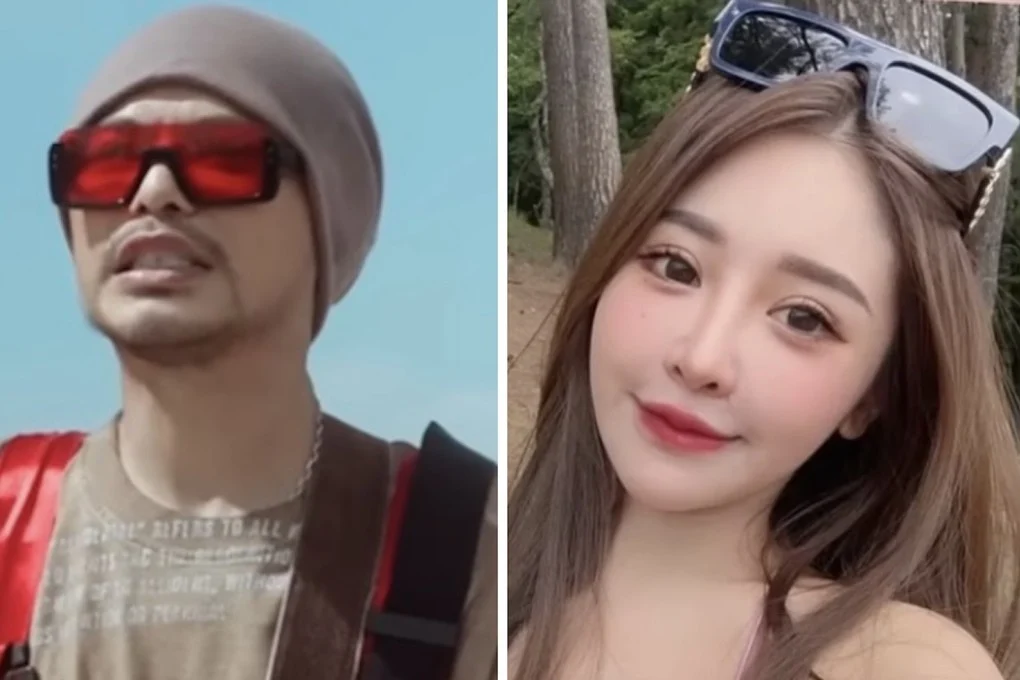
Before his second arrest, Namewee posted a public statement online denying involvement in drug use and asserting that he intended to fully cooperate with police. He also criticized what he described as sensationalist media reporting, accusing some outlets of implying guilt without evidence. In addition, he claimed that emergency responders took nearly an hour to arrive, a delay he argued was unacceptable and contributed to public misunderstanding of the events. He also alleged that unidentified individuals had attempted to blackmail him following the incident.
The combination of public allegations, defensive statements, and lack of complete forensic results has created a complex narrative environment. Public opinion has fluctuated between sympathy, suspicion, and demands for justice. This case highlights the tension between legal due process, public expectations of transparency, and the pressures placed on celebrities facing scrutiny.
Media Coverage, Public Reaction, and Ongoing Legal Process
The case has resonated widely across regional media, particularly in Taiwan and Malaysia. Taiwanese outlets have focused heavily on Hsieh’s personal story, her professional accomplishments, and the grief expressed by her online community. Malaysian media coverage has emphasized Namewee’s involvement, his past controversies, and the legal steps surrounding the investigation. Meanwhile, Chinese media discussions have often framed the story through political contexts due to Namewee’s prior criticisms of Chinese nationalism.
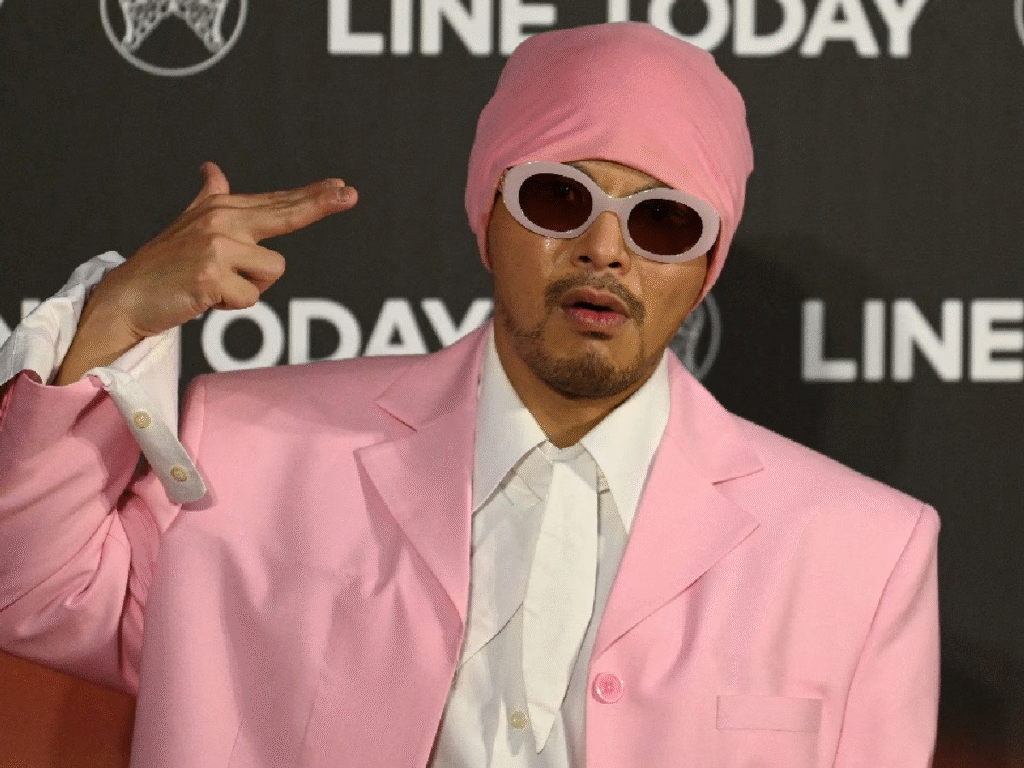
One of the most significant challenges arising from this situation is the role of public speculation. Social media activity surrounding the case has been extensive, ranging from expressions of sympathy to unverified rumors and accusations. Hsieh’s family has specifically appealed for restraint, urging the public not to engage in harmful speculation or harassment. Their request highlights the emotional and psychological burden placed on the relatives of individuals whose deaths become public events.
The legal process will depend heavily on the findings of toxicology tests and autopsy reports. These scientific examinations are expected to clarify the cause and circumstances of Hsieh’s death. Investigators will seek to determine whether substances found at the scene were connected to her death, whether any third-party actions were involved, and whether there is sufficient evidence to support criminal charges beyond the initial drug possession accusation. Until these results are complete, the case remains under active investigation, and no definitive legal conclusions have been reached.
In addition to the legal inquiries, the case raises broader questions about the intersection of fame, vulnerability, and public narrative. Both Namewee and Hsieh cultivated strong digital identities that shaped how audiences perceived them. In situations involving public figures, the boundary between verified information and speculation becomes blurred, and the speed of online discussion can outpace official investigative processes.
This case illustrates the need for careful media reporting, responsible public engagement, and adherence to due legal procedures. As the investigation continues, the focus remains on uncovering the factual circumstances surrounding the tragedy. The legal process will determine whether criminal responsibility is present, while Hsieh’s family, friends, and fans continue to mourn her loss and seek privacy.
Just logged in to phdream44login. Let’s see if today’s my lucky day! Going to hit the slots hard. Wish me luck, guys!
**mitolyn official**
Mitolyn is a carefully developed, plant-based formula created to help support metabolic efficiency and encourage healthy, lasting weight management.