
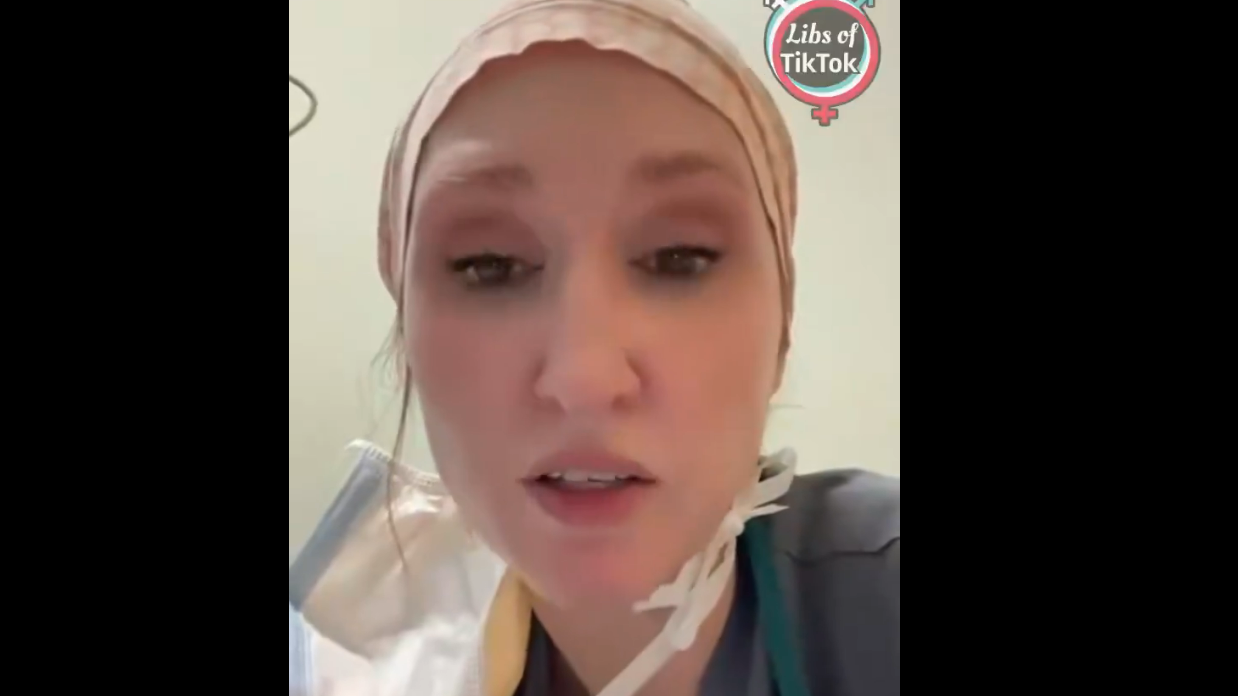
A Virginia Commonwealth University (VCU) Health employee became the subject of national attention after a series of social media videos surfaced in which she appeared to describe what she referred to as “sabotage tactic[s].” The videos, which circulated widely online before being deleted from their original platforms, prompted an internal investigation by VCU Health and involvement from VCU Police. By the end of the same day the matter became public, the health system confirmed that the employee was no longer employed and that reporting requirements under Virginia law had been met.
The employee was identified as Malinda Cook, who was associated with VCU Health at the time the videos were recorded. In statements released on Tuesday, Jan. 27, VCU Health characterized the content of the videos as “highly inappropriate” and emphasized that it took the matter seriously due to the nature of the statements made and the responsibilities held by individuals working within a healthcare environment.
The situation unfolded against a backdrop of heightened public sensitivity following multiple fatal shootings involving federal officers in Minneapolis, a context that added to the scrutiny surrounding the videos once they began circulating online.
Although the videos were no longer publicly available on Cook’s accounts by the time VCU Health issued its statements, copies continued to spread across social media platforms. The content described in those recordings raised concerns not only because of their explicit references to potential harm, but also because of Cook’s employment within a medical institution. As a result, VCU Health moved quickly to distance itself from the statements and to outline the steps it had taken in response.
Malinda Cook and the Social Media Videos
Malinda Cook was identified as the individual appearing in several videos in which she discussed actions she labeled as “sabotage tactics.” In at least one of the recordings, Cook was seen describing a scenario involving medical providers and syringes, suggesting that syringes could be filled with saline or a muscle relaxant as a deterrent. In the video, she is heard saying that such an act could function as a “sabotage tactic, or at least scare tactic,” while urging viewers to “be safe.”
The mention of substances such as succinylcholine, a medication commonly used in medical settings, intensified concerns about the implications of the remarks. In other circulating videos, Cook appeared to outline methods for creating a solution from poison ivy or poison oak that could be placed into a water gun. Another recording allegedly showed her suggesting that single women could use online dating applications to identify Immigration and Customs Enforcement agents in their area and then secretly add a laxative, Ex-Lax, to their drinks during dates.
These statements, as described by those who viewed the videos, were framed by Cook as hypothetical or strategic ideas rather than direct instructions, but they nonetheless drew significant backlash once they became public. The videos emerged and gained traction online shortly after reports of deadly shootings involving federal officers in Minneapolis, including incidents that resulted in the deaths of Renee Macklin Good and Alex Pretti.
🚨BREAKING: Virginia nurse Malinda Rose Cook, who in several videos encouraged colleagues to inject ICE agents with a paralytic drug, has been fired.
— I Meme Therefore I Am 🇺🇸 (@ImMeme0) January 28, 2026
Now is the perfect time to revoke her license. pic.twitter.com/Ssi3hGOKcF
While there has been no indication that Cook’s videos were directly connected to those events, the timing contributed to heightened public reaction and concern. Many critics pointed to the broader climate of tension surrounding immigration enforcement and law enforcement encounters as a factor that made the statements particularly alarming.
Cook’s social media presence prior to the controversy had not been widely known. Following the spread of the videos, attempts were made by media outlets to contact her for comment. As of the latest reports, Cook had not responded publicly or issued a statement addressing the content of the videos, the investigation, or her termination. The absence of a response has left much of the public discussion centered on the institutional reaction rather than Cook’s own explanation or perspective.
VCU Health’s Response and Investigation
VCU Health addressed the situation publicly on Tuesday, Jan. 27, after the videos began circulating widely. In its initial statement, the health system acknowledged awareness of the social media content and described it as “highly inappropriate.” The statement emphasized that the views expressed in the videos did not reflect the values or standards of VCU Health and that the organization was taking immediate action to address the matter.
According to VCU Health, Cook was placed on administrative leave while an investigation was conducted. During this period, she was barred from entering VCU Health facilities and from interacting with patients. The organization also confirmed that VCU Police were assisting with the investigation, indicating that the matter was being treated with a level of seriousness beyond an internal human resources review.
Later the same evening, VCU Health released an updated statement announcing that Cook’s employment had been terminated following the conclusion of the investigation. The statement said that the individual involved in the videos was no longer employed by VCU Health and that the institution had fulfilled its reporting requirements under Virginia state law. While the statement did not specify the nature of those reporting requirements, it underscored the organization’s assertion that it had followed all applicable legal and regulatory obligations.
VCU Health did not disclose additional details about the findings of its investigation or whether any criminal charges were being considered. The involvement of VCU Police was noted, but no public information was released regarding the scope of their inquiry or any potential outcomes beyond the employment decision. The health system’s communications focused on distancing itself from the statements and reinforcing its commitment to patient safety, professional conduct, and compliance with the law.
The swift progression from administrative leave to termination within the same day reflected the seriousness with which VCU Health viewed the matter. Healthcare institutions are subject to strict ethical and professional standards, particularly when employees’ statements involve potential harm or misuse of medical knowledge. In its public messaging, VCU Health made clear that the content of the videos was incompatible with those standards.
Public Reaction and Broader Context
The public reaction to the videos and Cook’s termination was immediate and intense, fueled by the rapid spread of the recordings across social media platforms. Many viewers expressed alarm that a healthcare employee would discuss scenarios involving syringes, medications, or poisoning, even in a hypothetical context. Critics argued that such statements undermined public trust in medical professionals, while others focused on the specific references to ICE agents and law enforcement as evidence of escalating rhetoric in a polarized environment.
Read : Who Is Erik Martindale, Florida Nurse Facing Backlash for Refusing Anesthesia to MAGA Supporters?
The timing of the videos’ emergence played a significant role in shaping the response. Reports indicated that the recordings surfaced following multiple deadly shootings involving federal officers in Minneapolis. One incident resulted in the death of Renee Macklin Good, while another killed Alex Pretti. Although no direct link was established between those events and Cook’s statements, the proximity in time heightened concerns that the videos could be perceived as encouraging or trivializing violence.
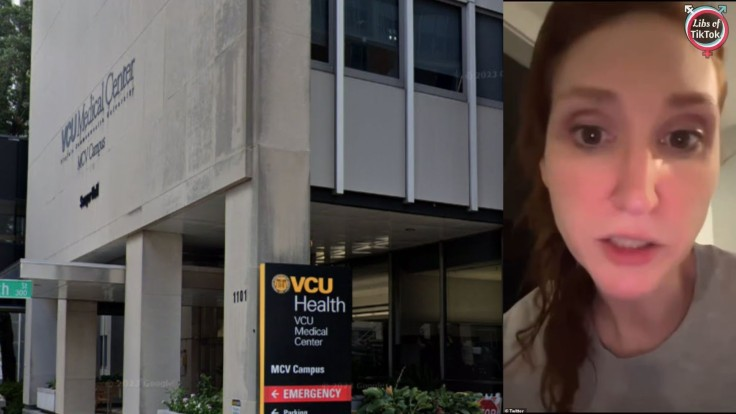
From an institutional perspective, the case highlighted the challenges employers face when employees’ off-duty social media activity becomes a matter of public concern. While individuals generally have the right to express personal views online, those rights can come into conflict with professional responsibilities, particularly in fields such as healthcare. Statements that suggest misuse of medical tools or knowledge can raise red flags about patient safety and ethical compliance, regardless of whether the statements are intended as jokes, hypotheticals, or political commentary.
The involvement of law enforcement through VCU Police further underscored the seriousness with which the matter was treated. Even in the absence of publicly announced charges, the fact that police assistance was sought suggested that the content of the videos warranted closer scrutiny under applicable laws or regulations. VCU Health’s reference to fulfilling reporting requirements under Virginia state law reinforced the impression that the response was guided not only by internal policy but also by external legal obligations.
As of the latest information available, Cook had not issued a public response, and no additional details had been released about potential legal consequences beyond her termination. Media outlets, including 8News, reported attempts to reach her for comment without success. The lack of further information has left the case defined primarily by the videos themselves and VCU Health’s actions in response.
The incident has continued to circulate as an example of how social media activity can have immediate and far-reaching consequences, particularly for individuals in positions of public trust. For VCU Health, the case prompted a rapid and decisive response aimed at protecting its institutional integrity and reassuring the public about its standards. For observers, it served as a reminder of the heightened scrutiny placed on professionals whose words, even outside the workplace, can carry significant weight when they touch on issues of safety, violence, or misuse of specialized knowledge.